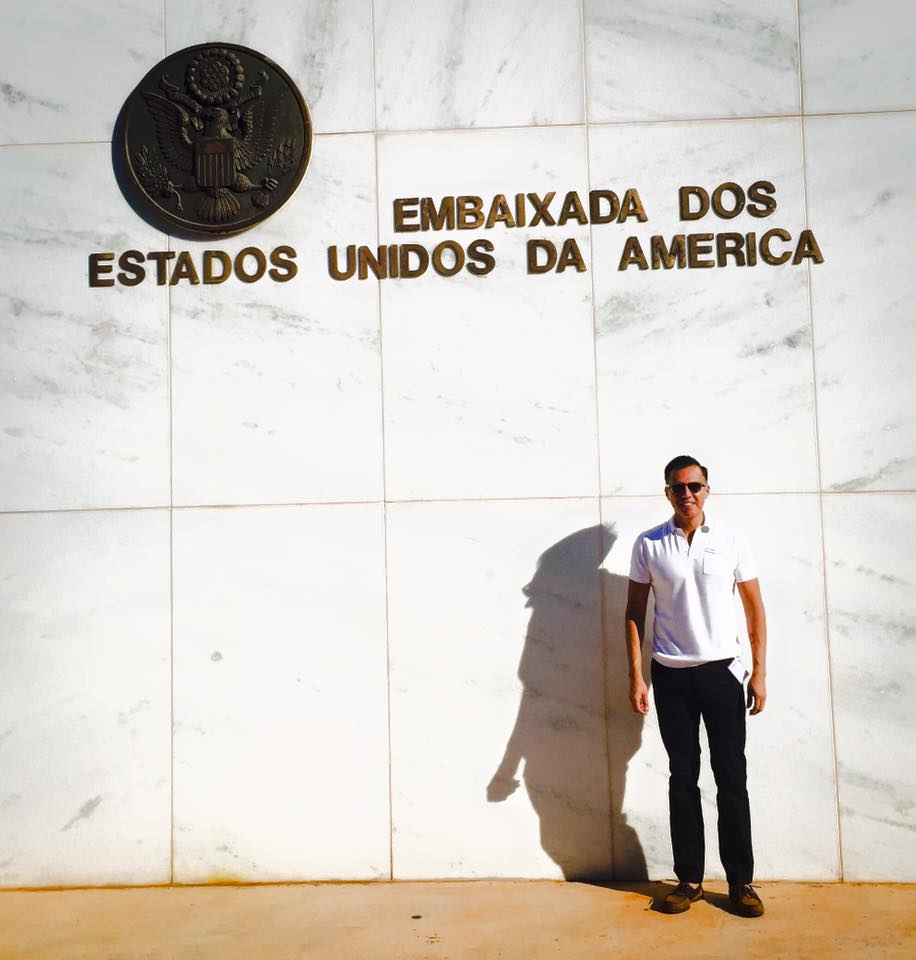
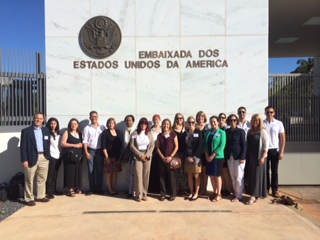
Yesterday [Day 3 in Brasilia], we visited the U.S. Embassy for several briefings from Embassy staff. These briefings focused on the mission and purpose of the U.S. Embassy in Brazil, security issues, health and wellness issues specific to our stay in Brazil, as well as consular services for American citizens doing business or traveling in Brazil.
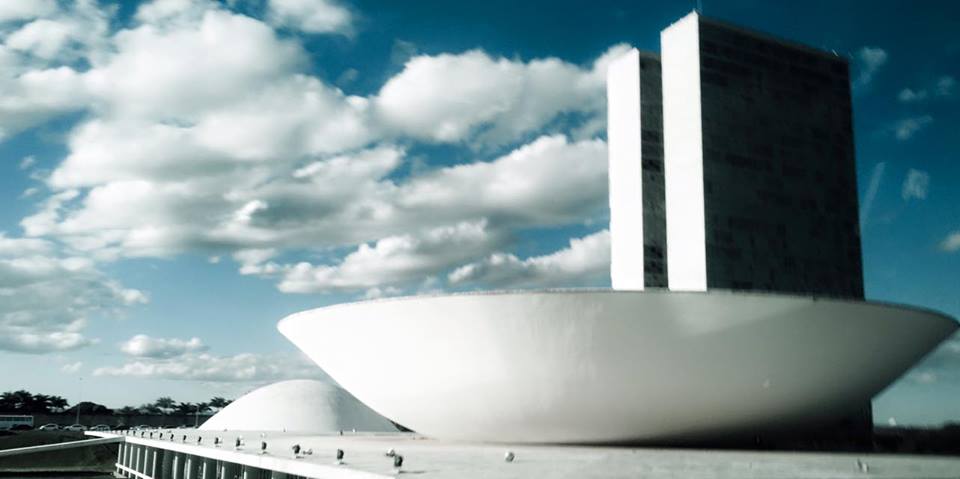
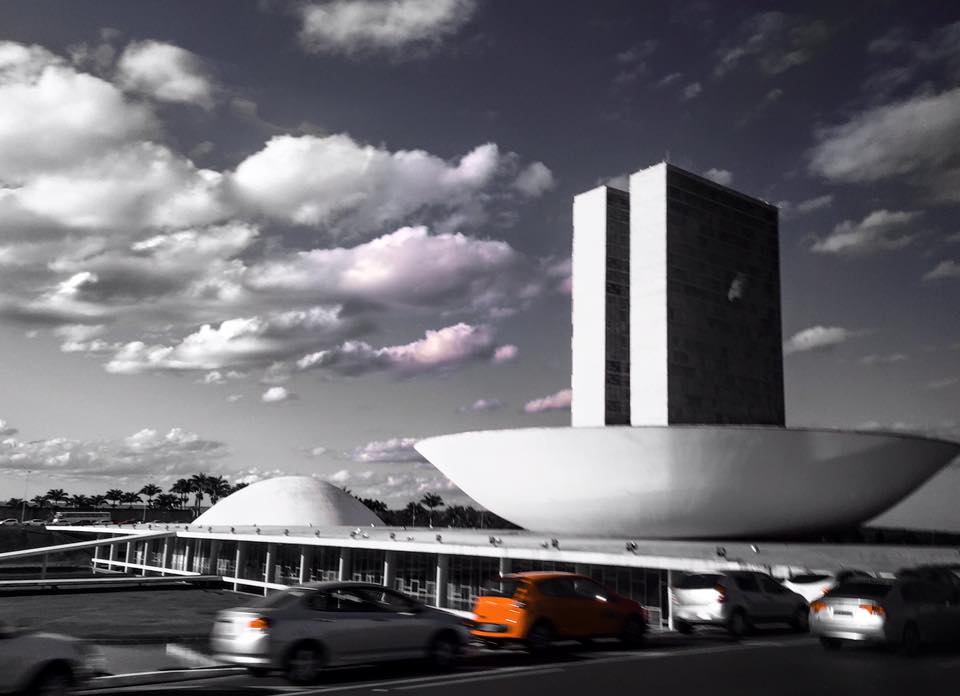
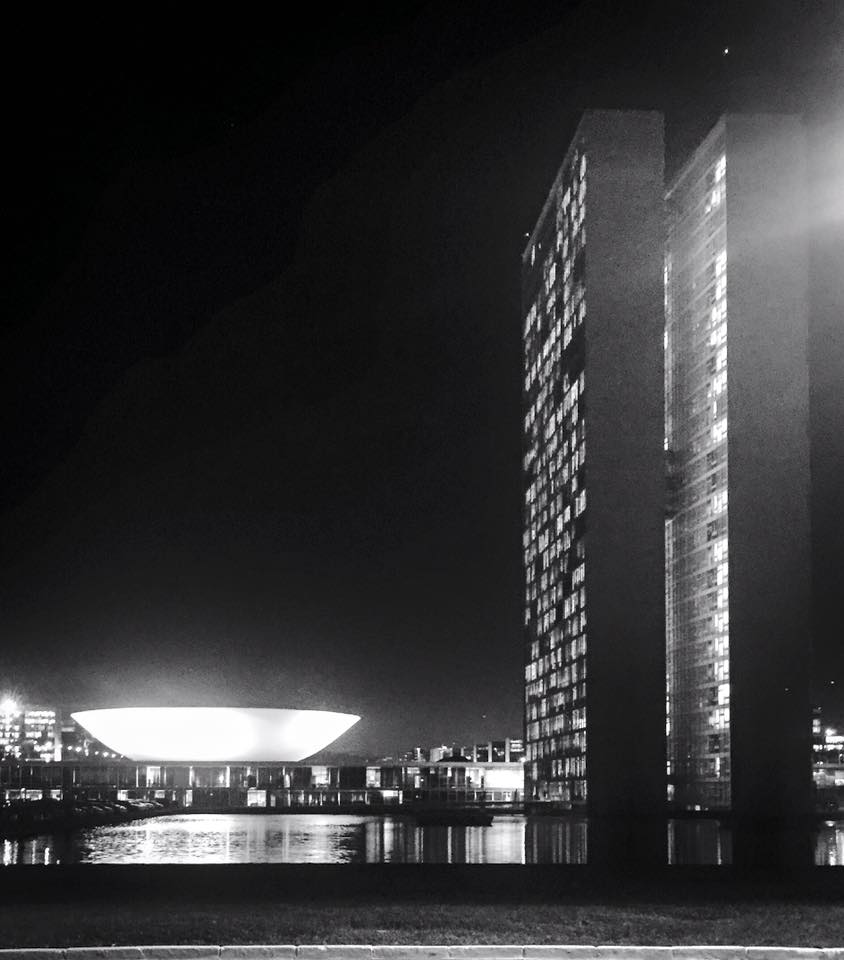
Earlier this week we also toured the Brasilia Planalto, a wide plaza that stretches more than a mile that encompasses the heart of federal Brasilia. The Planalto encompasses the original government structures designed by the architect Oscar Niemeyer from 1957 to 1960. Designed to represent a plane or a bird with outstretched wings, the Planalto houses all major federal buildings for the entire nation–from the bicameral legislative buildings [Congreso Nacional], the federal judicial branch, as well as the Executive branch and more than thirty ‘Ministries,’
When Brasilia was completed in 1960, the entire federal government and its employees moved from Rio de Janeiro to this ‘city of the future.’ It was originally designed to house less than 500,000 residents, but today the Brasilia metropolitan region includes more than 4 million residents. Many of these residents live in the myriad ‘Satellite’ cities that have sprouted around Brasilia.
Juscelino Kubitschek, the President of Brazil between 1957 to 1961, envisioned Brasilia as not only the city of the future, but also as a mechanism to integrate all the Brazilian regions, create jobs and absorb a workforce from the Brazilian Northeast, and to stimulate the economy [in particular, the economy of the North and Central Brazil].
Brasilia has been designated a UNESCO World Heritage site, and as such all new developments must follow strict design elements first outlined in the city’s master plan. These strict urban planning guidelines have engendered a somewhat dated, less than ‘modern’ looking city vis-a-vis other cities around the world. The automobile was prioritized in its design, and as such the city severly lacks public spaces. In fact, city and social life in Brasilia tends to revolve around indoor malls.
 Traveling Fern