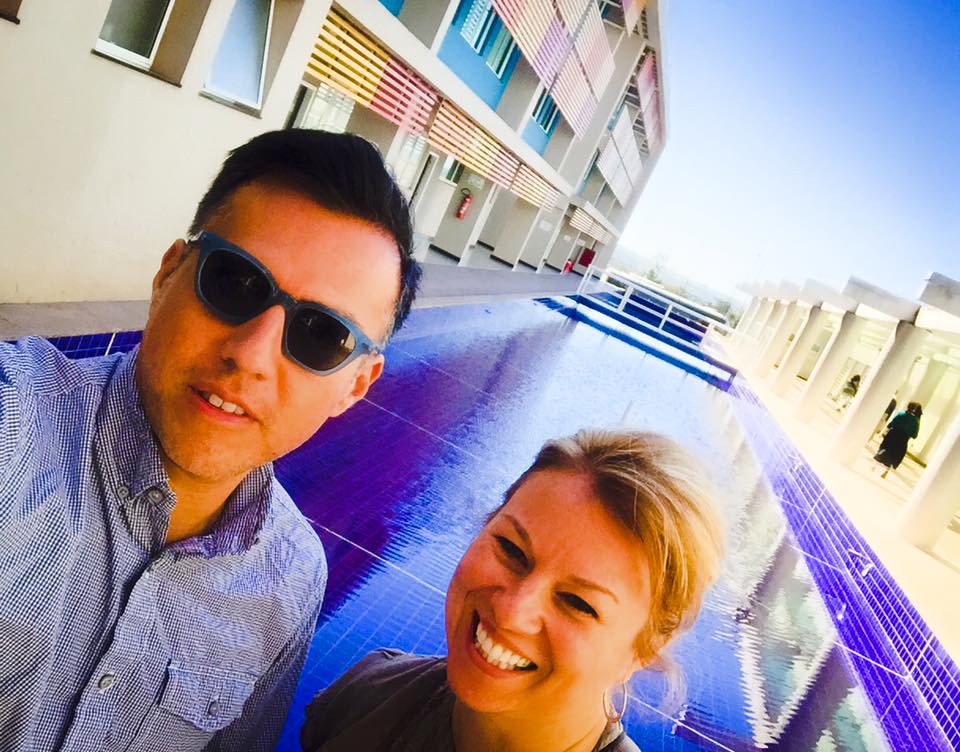
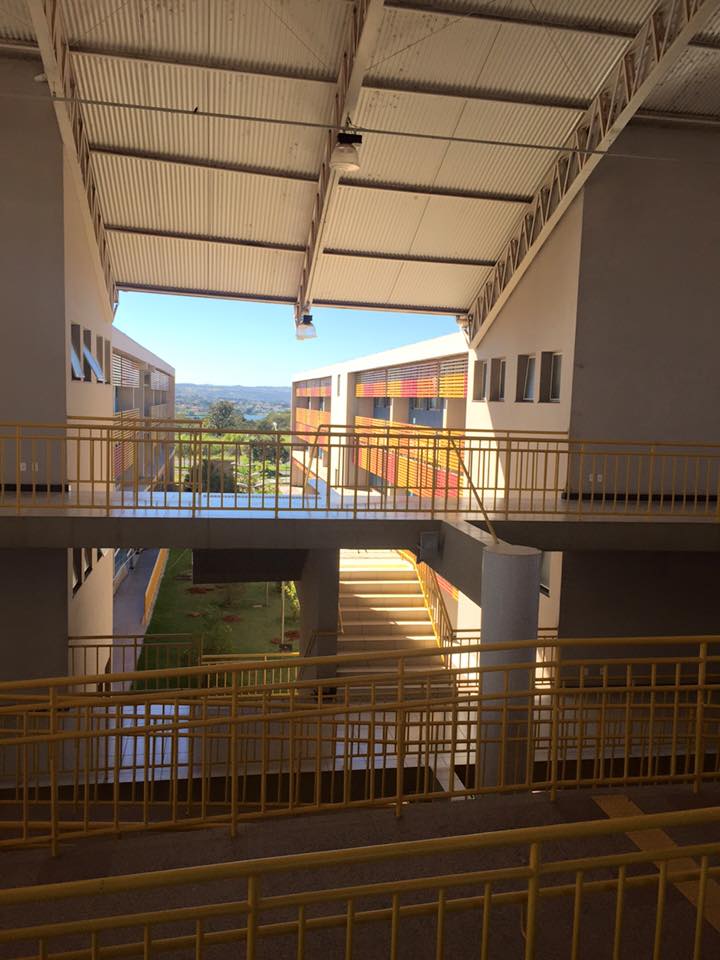
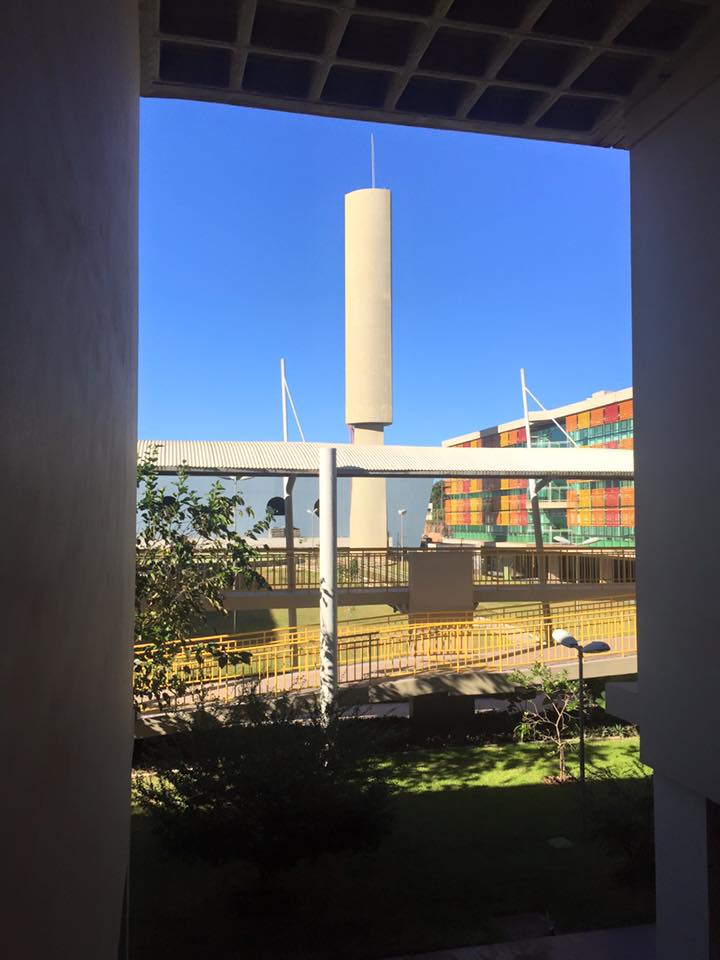
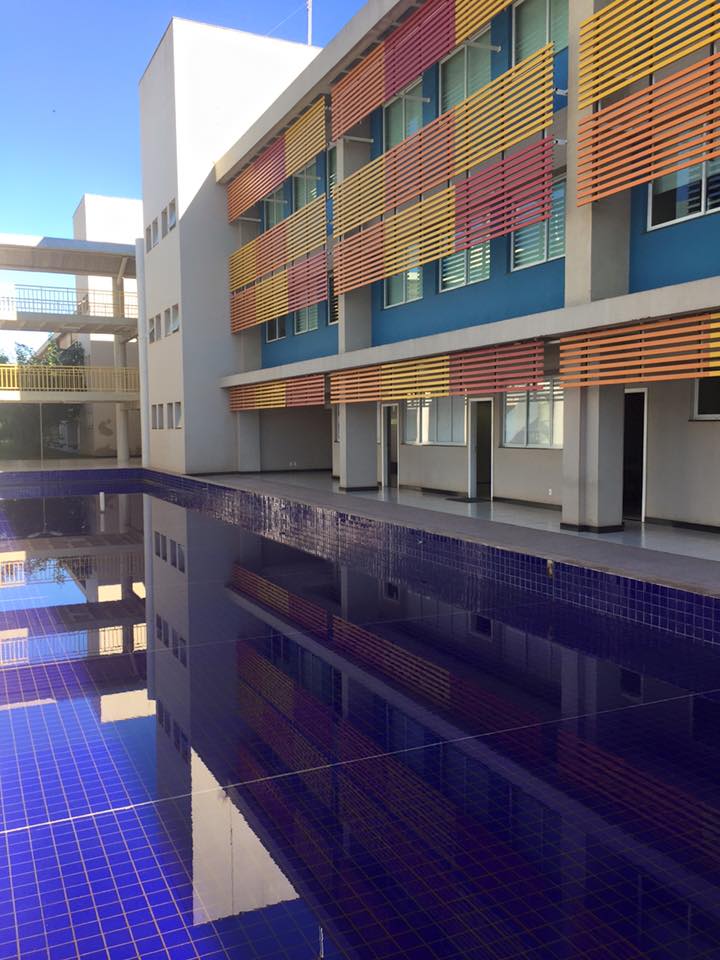
Today we visited two Brazilian schools. The first, the Instituto Federal de Brasilia [Campus Brasilia], is a ‘hybrid’ educational facillity that is a cross between an American high school and a community college. The Federal Institutes focus on vocational and practical educational courses and programs, rather than a focus on theory. As such, the Federal Institutes prepare their students for the job market. Nationwide, there are 562 Federal Institutes throughout the 27 states of Brasilia. The Federal Institutes were officially created in 2008, but in reality these campuses replaced an older educational system and schools that have existed in Brazil for nearly 100 years. Currently, there are more than 1 million Brazilians that attend the Federal Insittutes. And since 2003, the Brazilian government has opened 372 Federal Institutes, with 158 of those campuses opening in the period between 2011 and 2014. The majority of students in the Federal Institutes are in a technical program [54%], and the second greatest percentage of students are in an Apprenticeship program [27%]. The remainder is divided between the three following types of programs: Undergraduate [11%], Teaching [6%], and Graduate [2%]. The teaching faculty at the Brazilian Federal Institutes generally possess high levels of education: 20% possess a PhD; 49% possess a Masters Degree; 31% possess a Bachelors Degree or Specialized Certification in thier teaching area.
Aside from the Federal Institutes, there are also state and private institutes that focus on vocational educational programs.
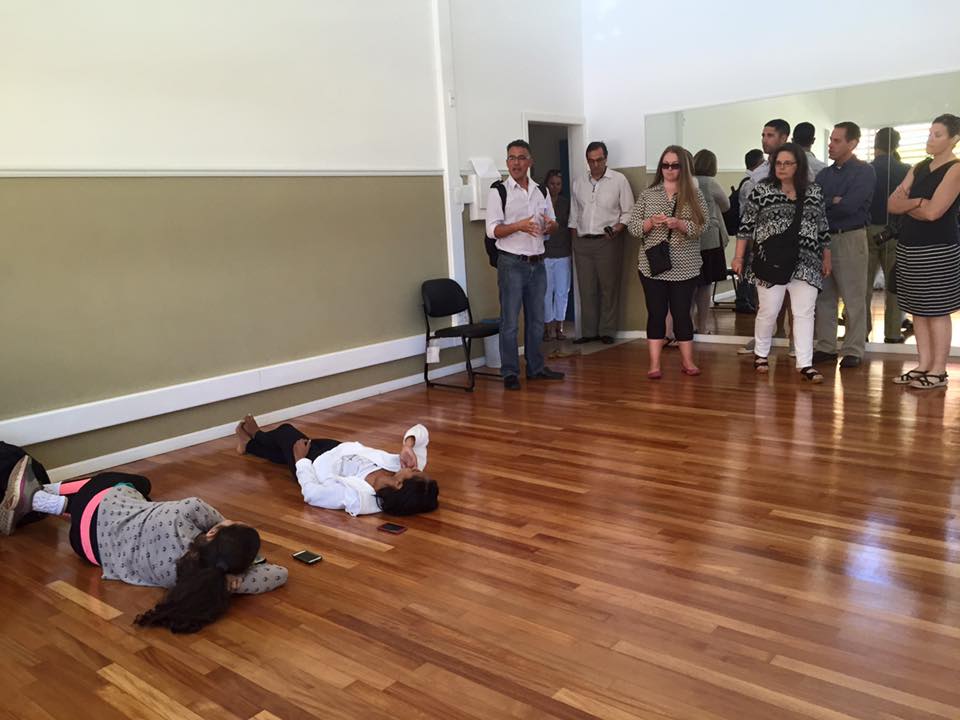
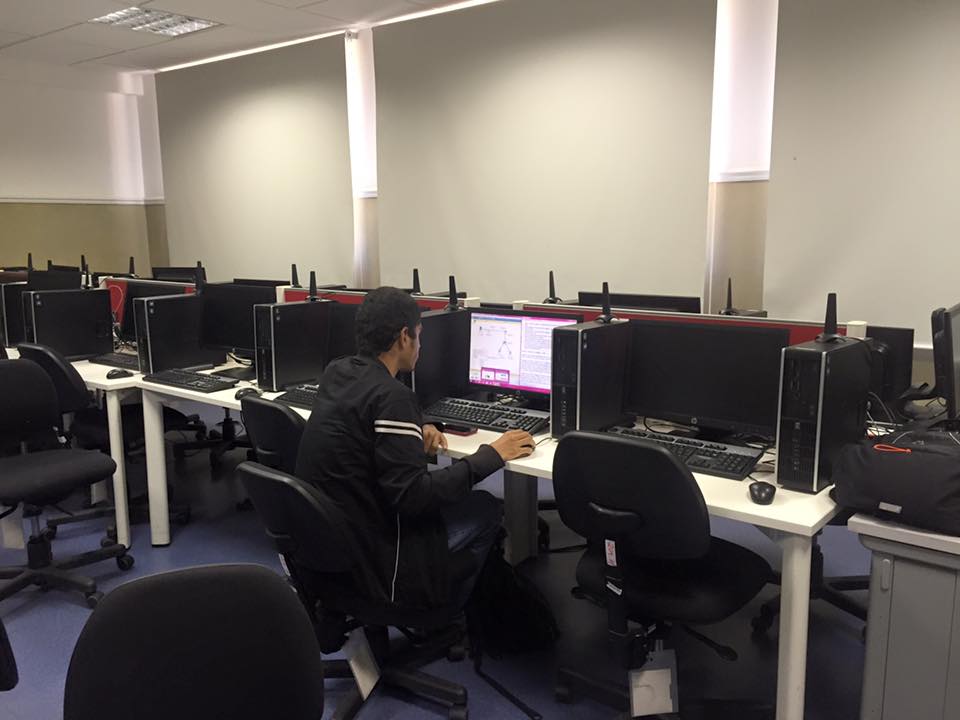
The Federal Institutes in more recent years have shifted their focus to research, development, and innovation, as well as Human Resources training. These aims align with the Brazilian federal government’s efforts to improve the Human Development Index of Brazilian society and increased prosperity and economic development across the nation.
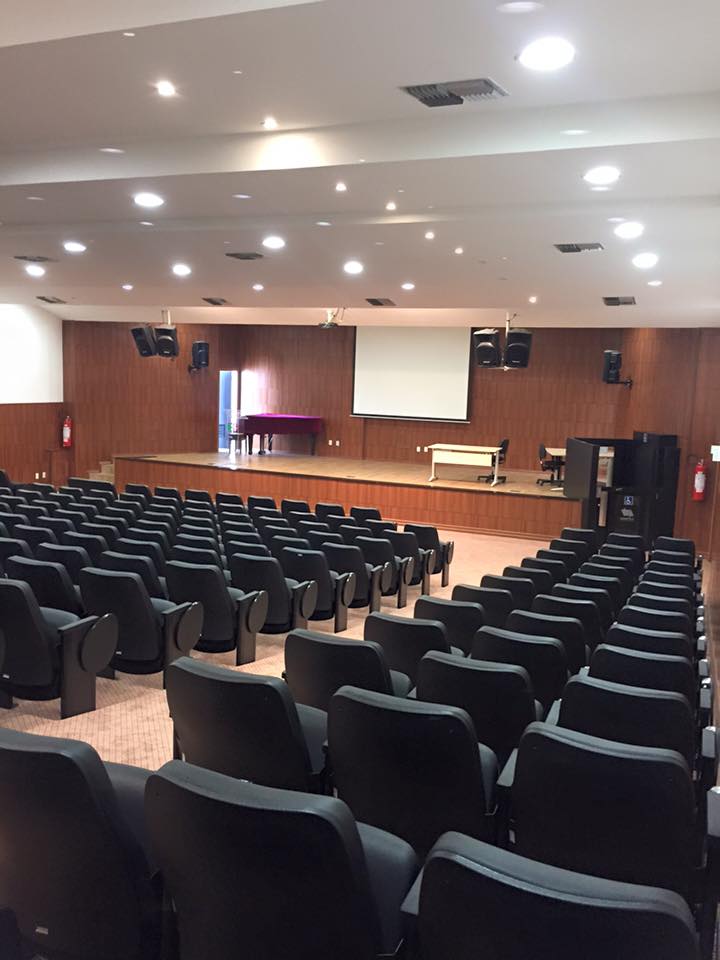
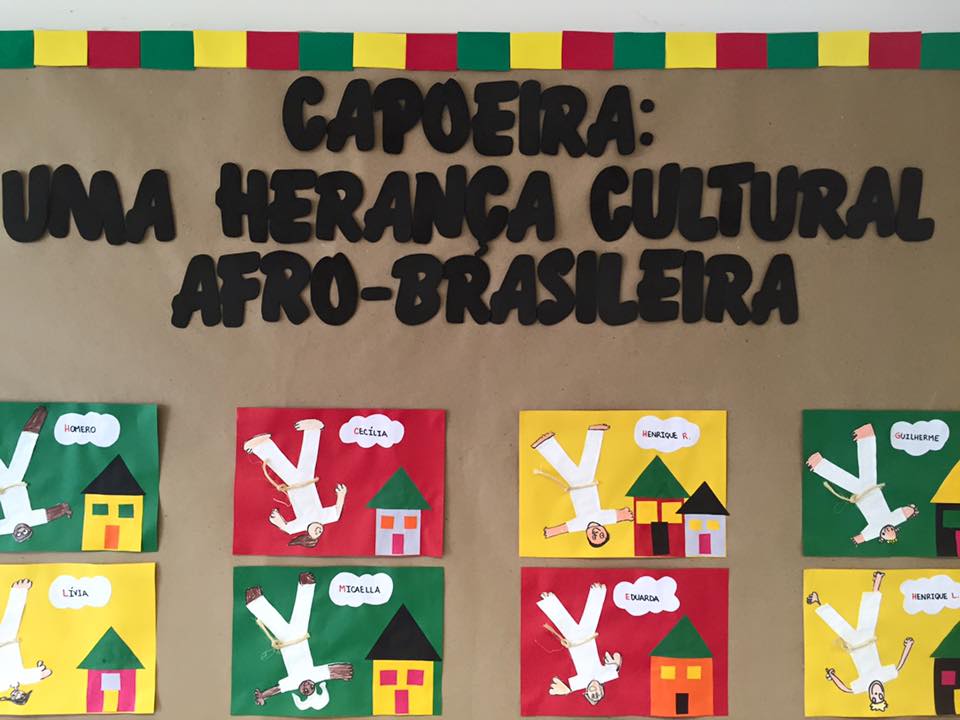
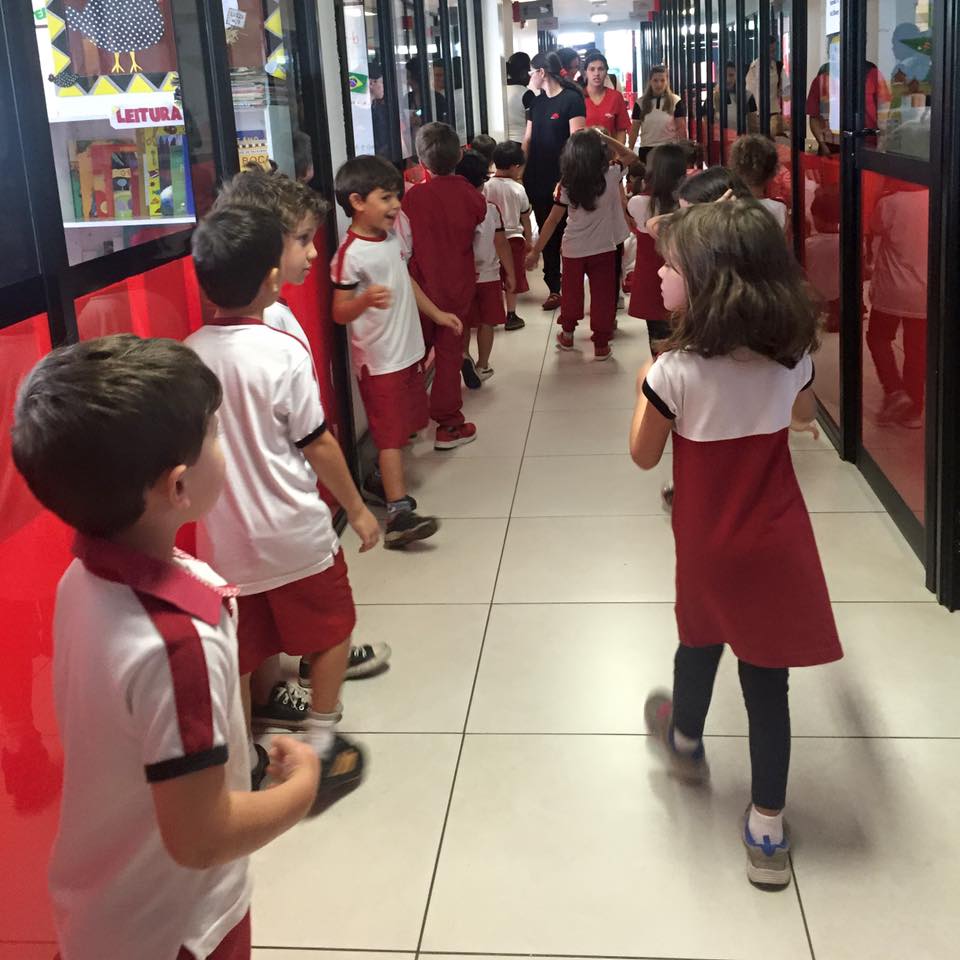
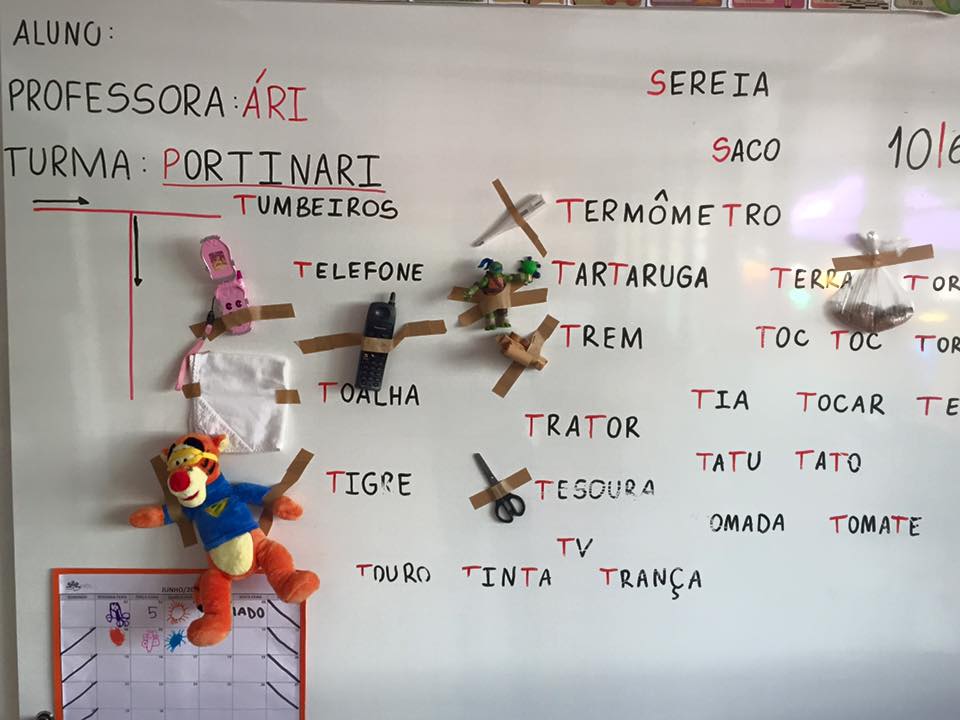
The second school we visited was a K-12 private school. This school, founded just a couple years ago, has expanded rapidly since its inception in 2010. And just this year the school opened its high school [in Brazil, high school is grades 10-12]. This school was founded and funded by a wealthy Brazilian business owner, and it is trying to compete against older and more established private schools in the Brasilia metropolitan area. The school’s tuition [ranging from $700-$1000 month] exceeds the budgets of most Brazilians. As such, the school’s student population hails primarily from the upper class families. The school provides full and partial scholarships for a large number of students, but these scholarships are awarded based on entrance exams rather than simply financial need.
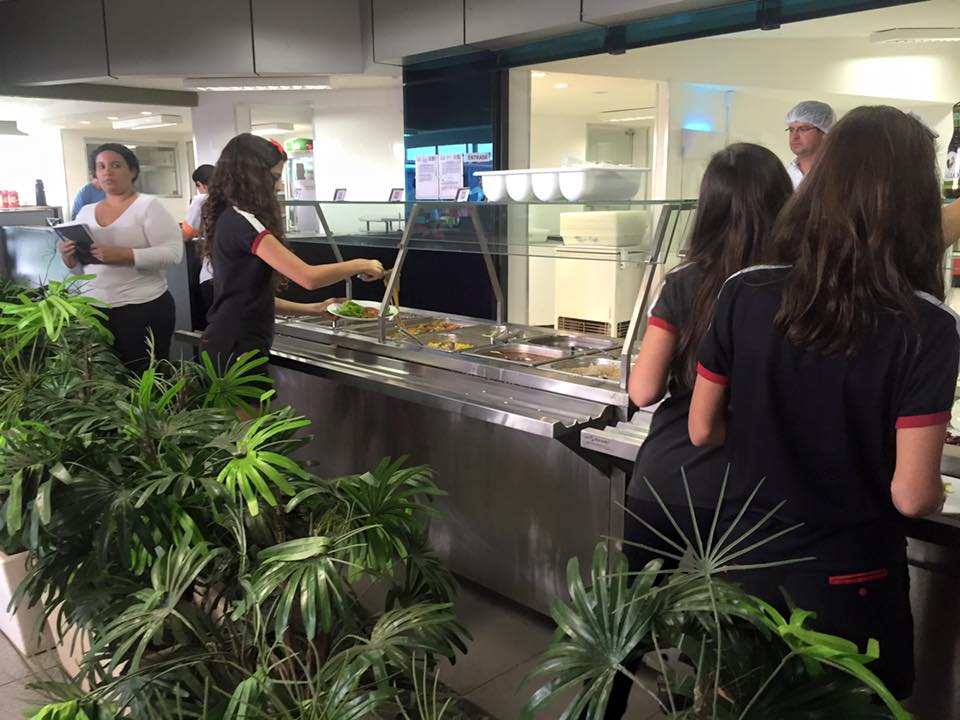
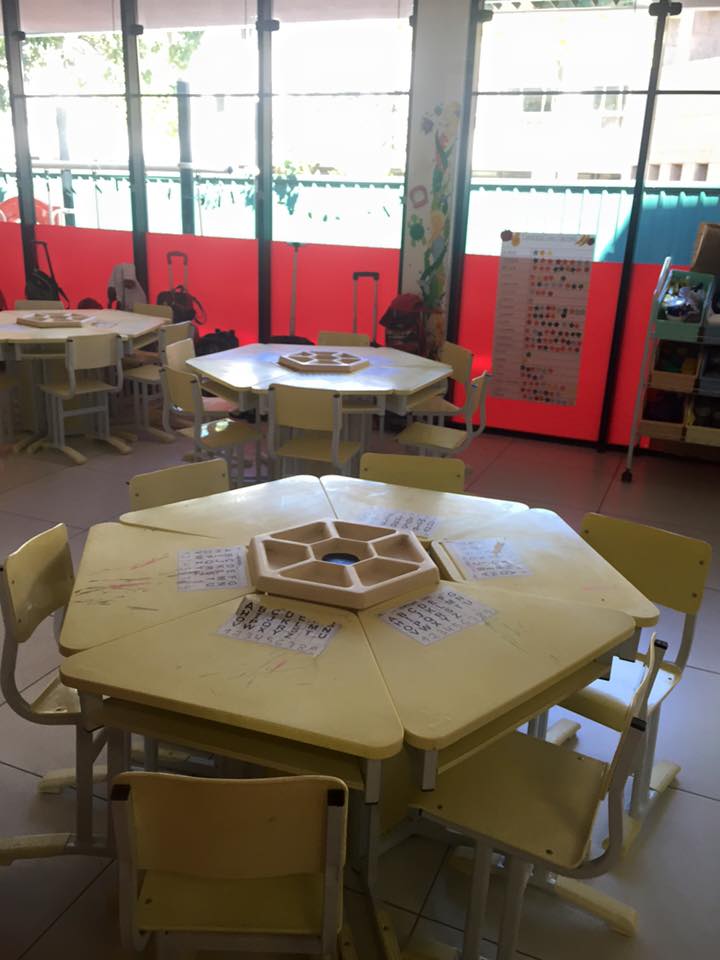
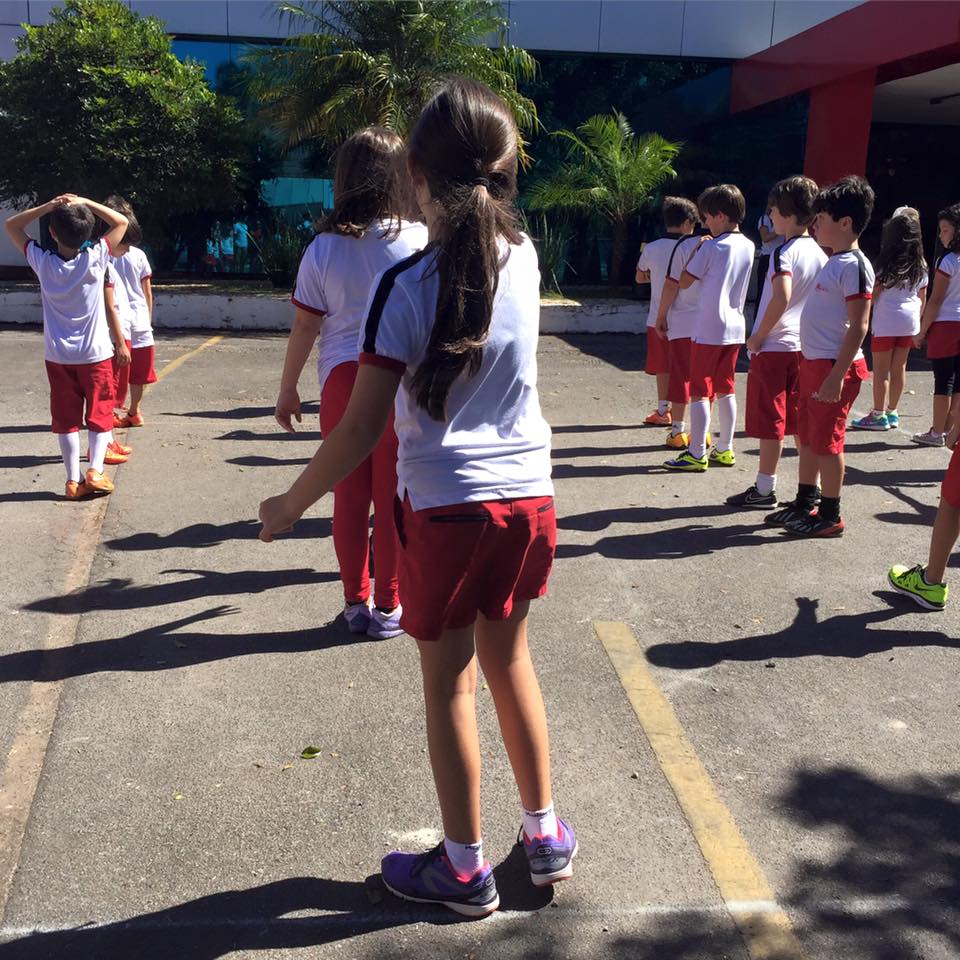
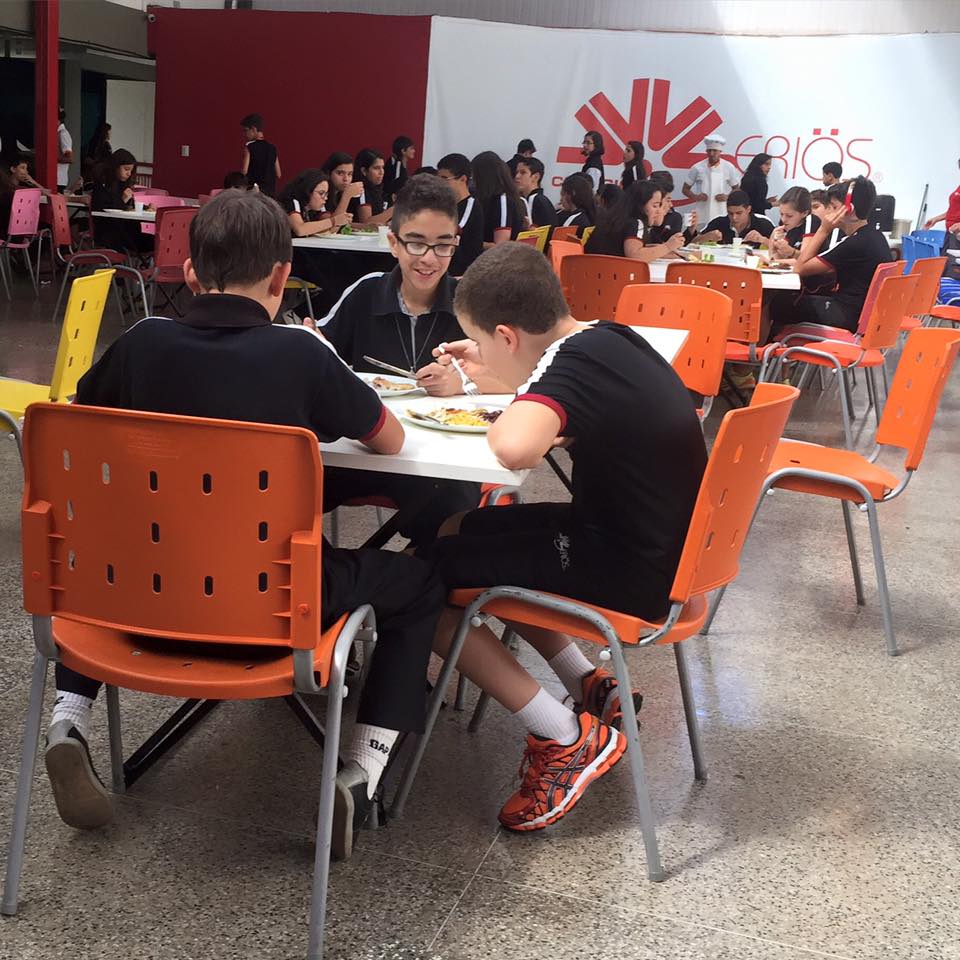
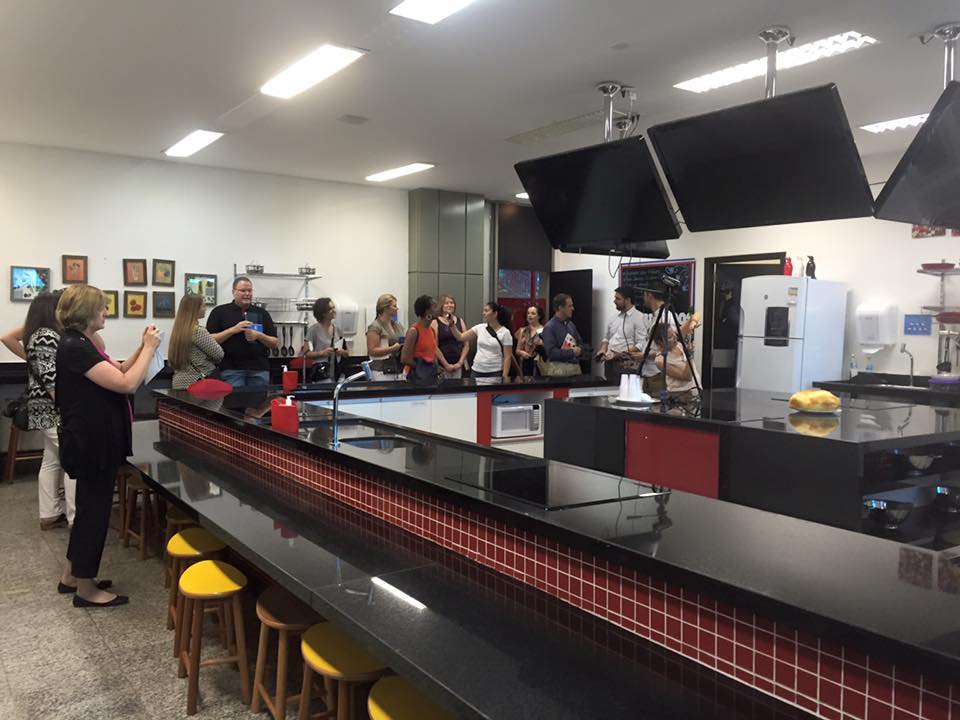
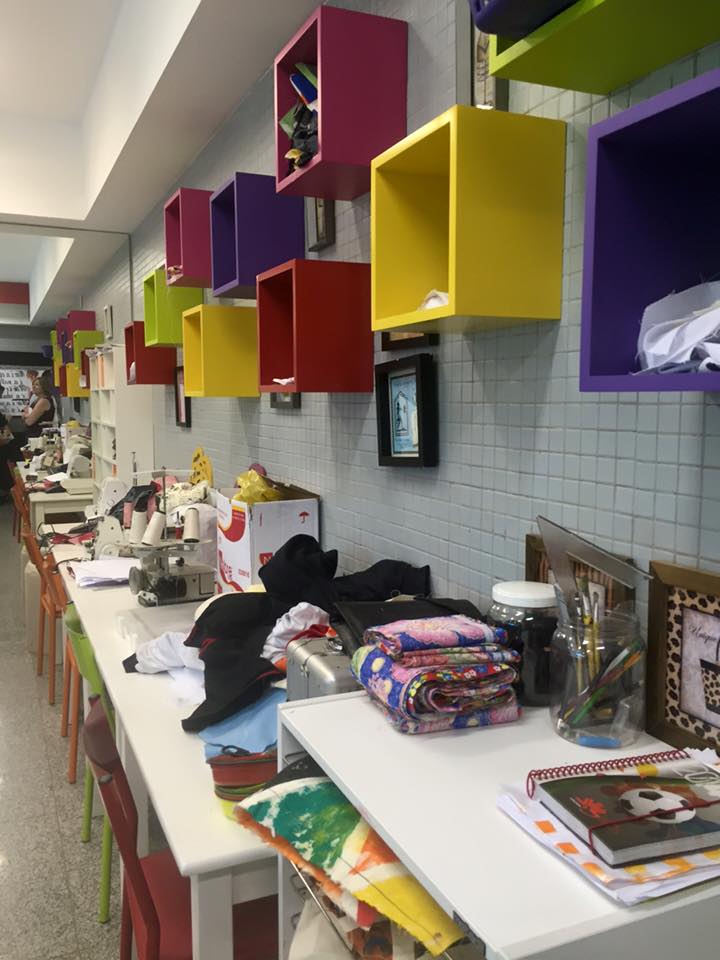
Students at the high school take a variety of courses per semester, including a plethora of ‘electives’ and non-traditional high school courses such as Circus Acts, Philosophy, and Gastronomy. This school also heavily emphasizes English as a Foreign Language–and this runs counter to most Brazilian schools. Finally, some of these students will take the “vestibular’ [extremely competitive college entrance exam] at the end of their high school studies, the high school students take a large number of science and math courses.
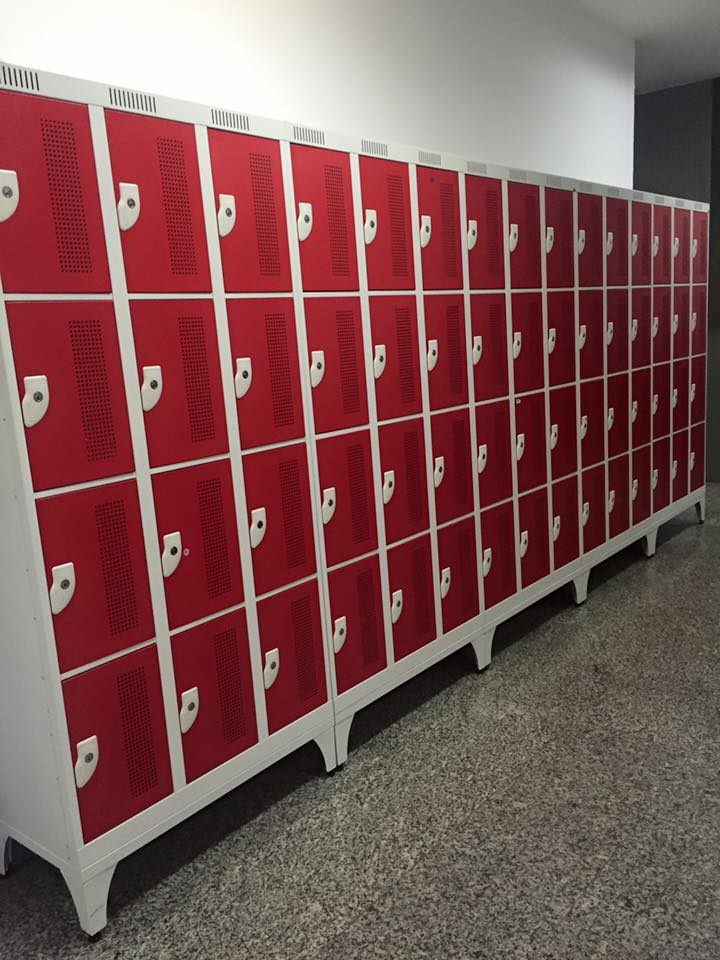
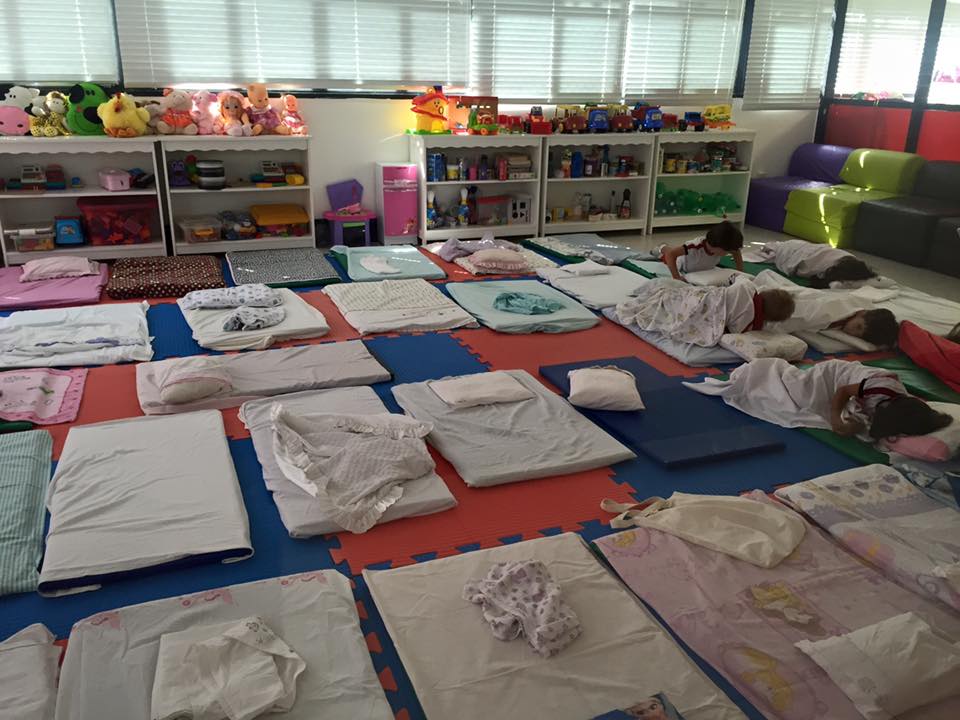
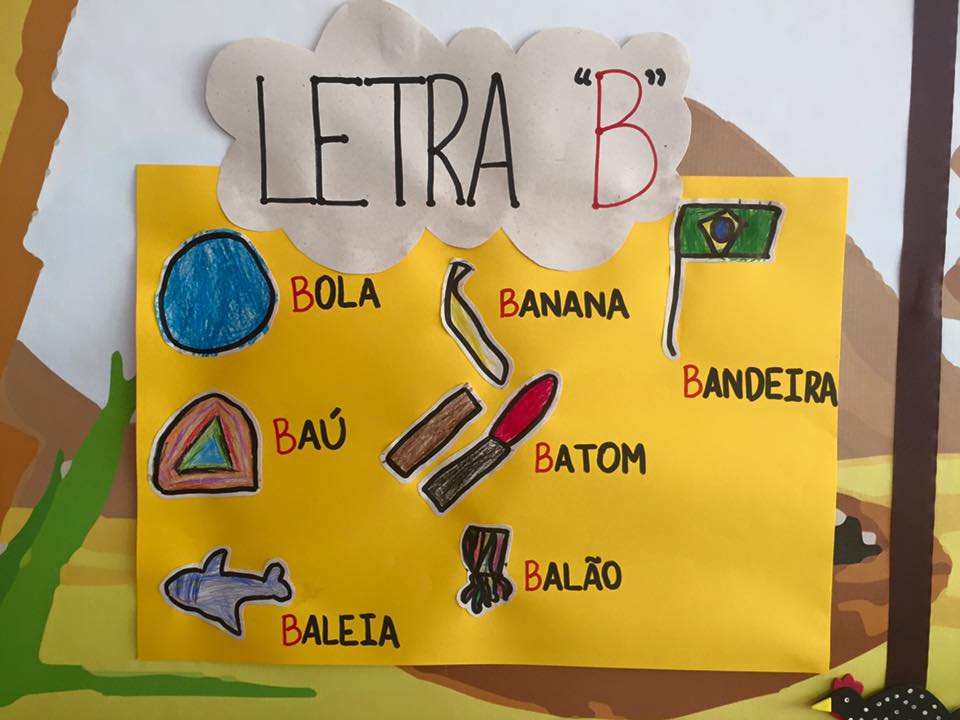
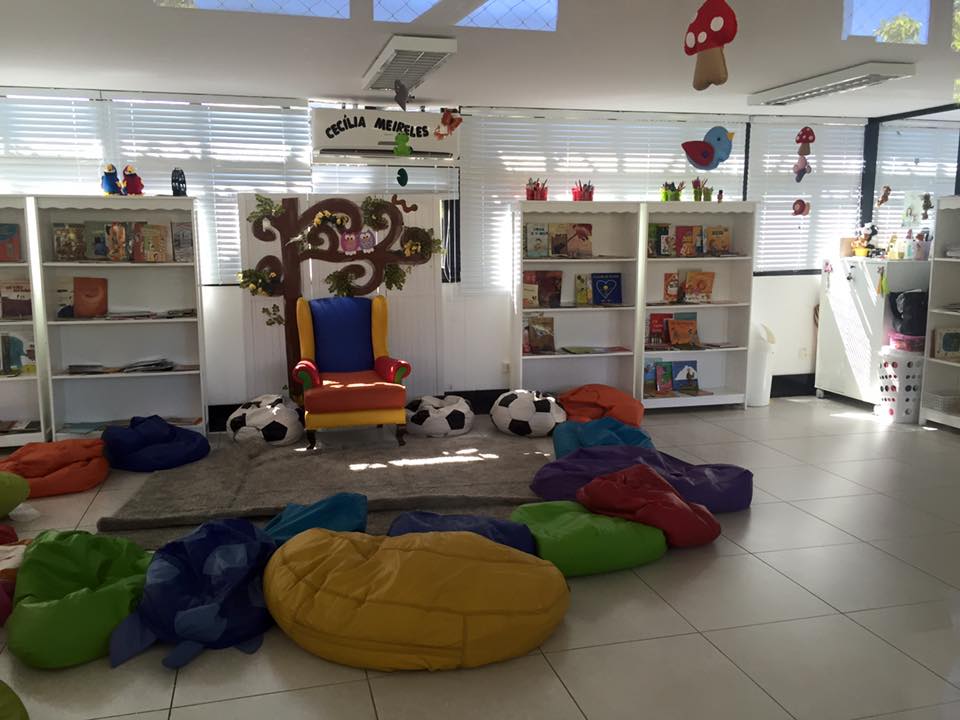
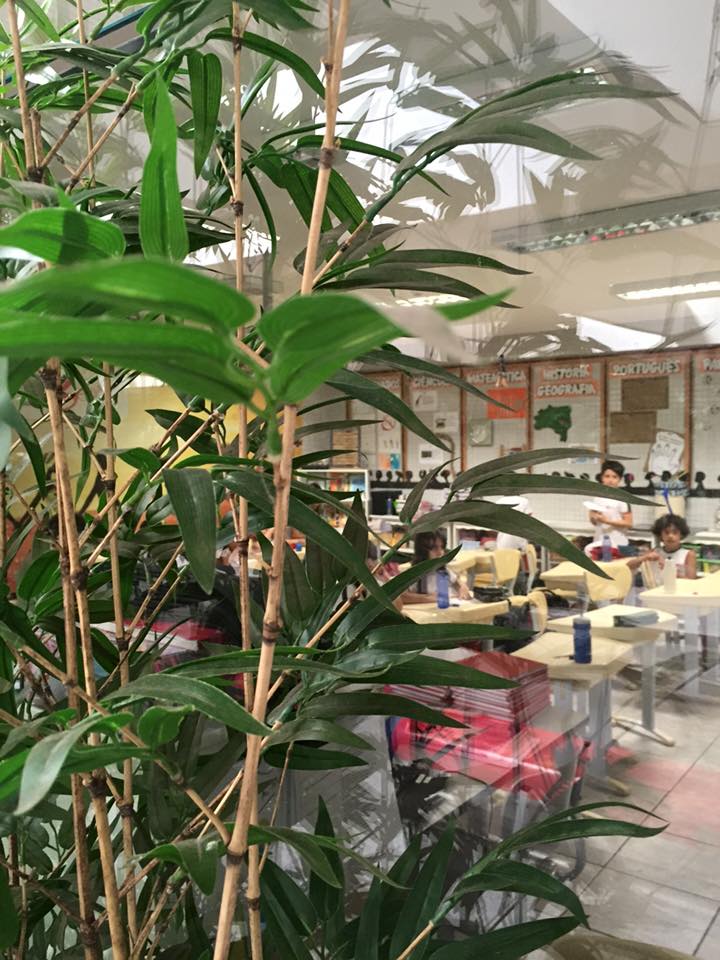
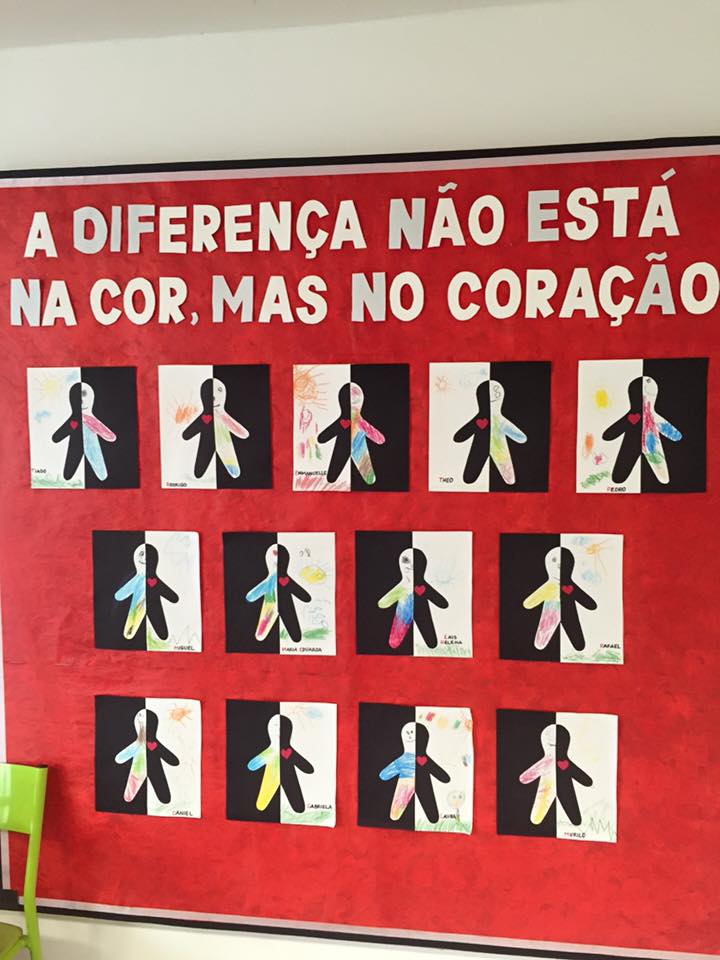
During our visit, we heard a high school student panel, as well as a panel of teachers and other staff members. We also toured the campus. The entire K-12 school is housed in the same building, and includes areas for somewhat limited physical education activities and a cafeteria. Although our visit was fairly short, it seemed evident that the majority of the student population represents the Brazilian elite. The great majority of the student population [anectodal evidence] is white or of European origin, while there were few mixed race and black students [less than 5%].




 Traveling Fern