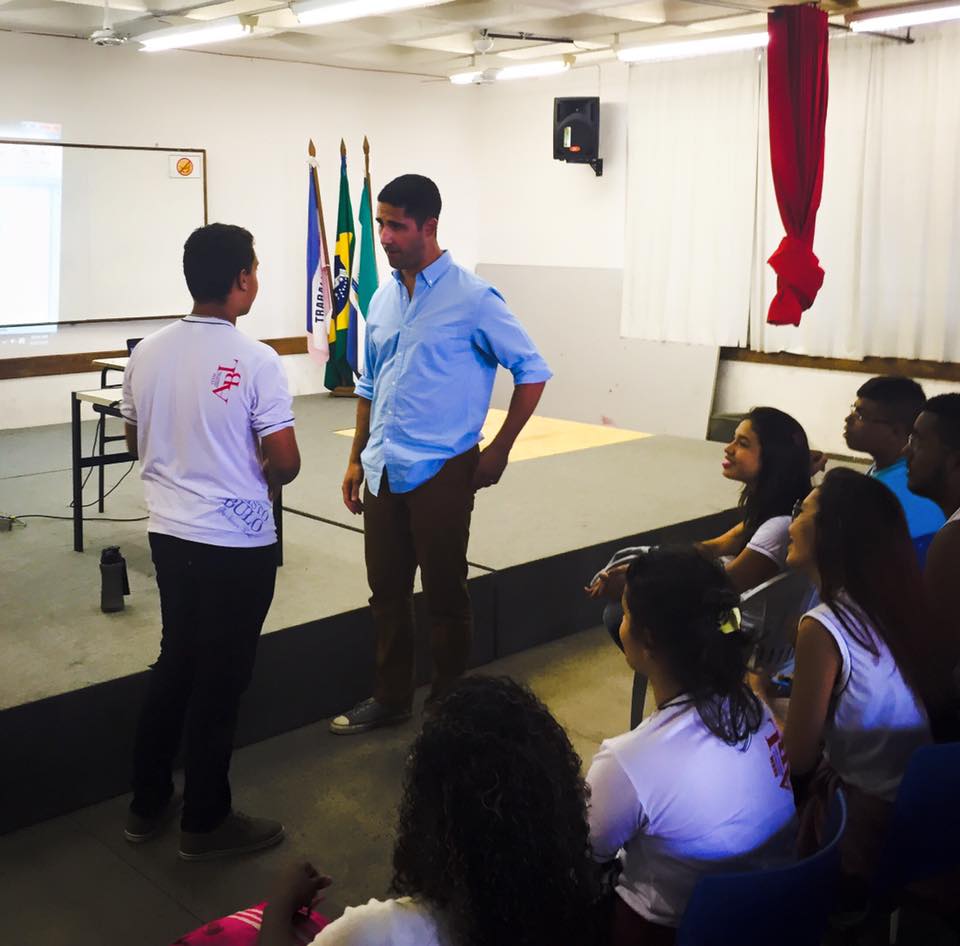
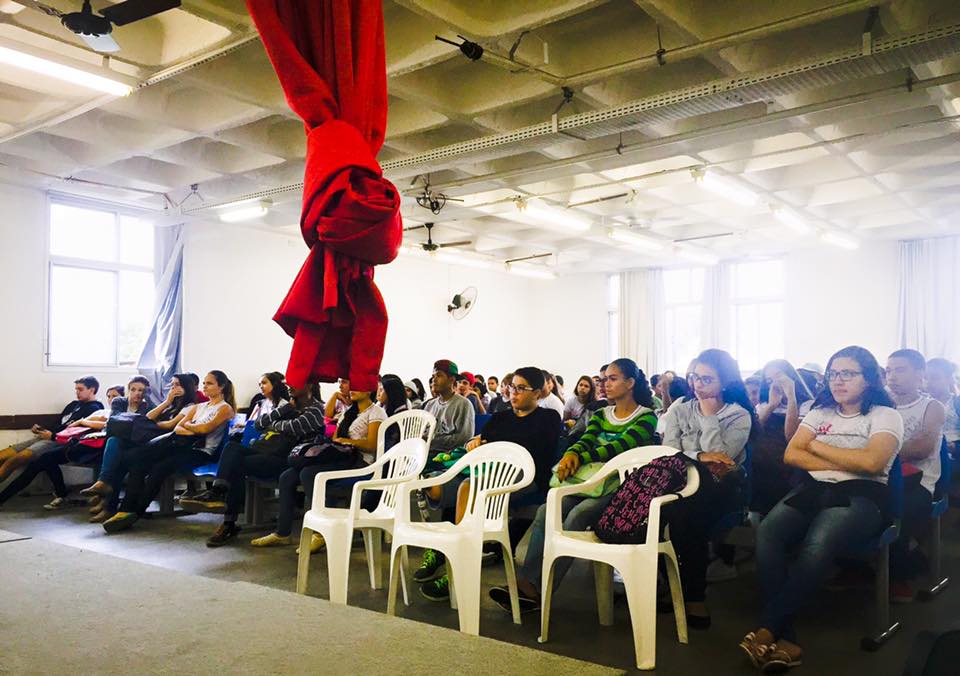
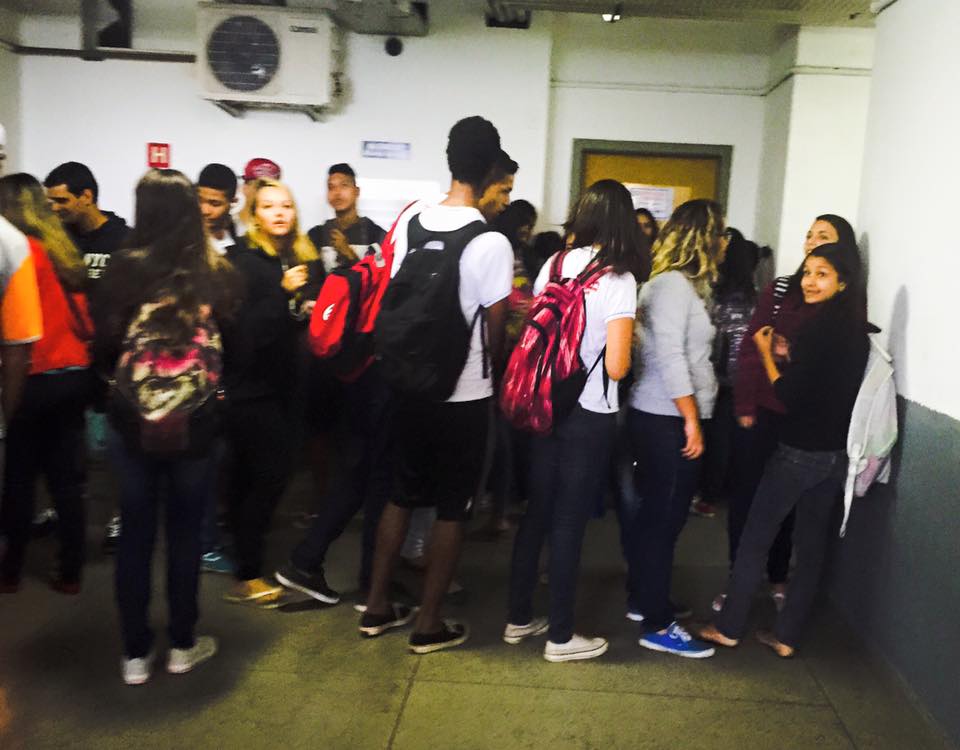
Two days this week [Monday and Wednesday] we helped a former student, Ramon, begin an English conversation club during the students’ break time. Ramon, very fluent in English, has taken it upon himself to begin this club. Roughly 30-50 students showed up both days, and Adrian and I practiced basic conversation with these students. We did whole group activities, as well as one on one conversations in English. Some of the students struggled with the one on one English conversation sessions, while many others were quite adept with their English oral skills.

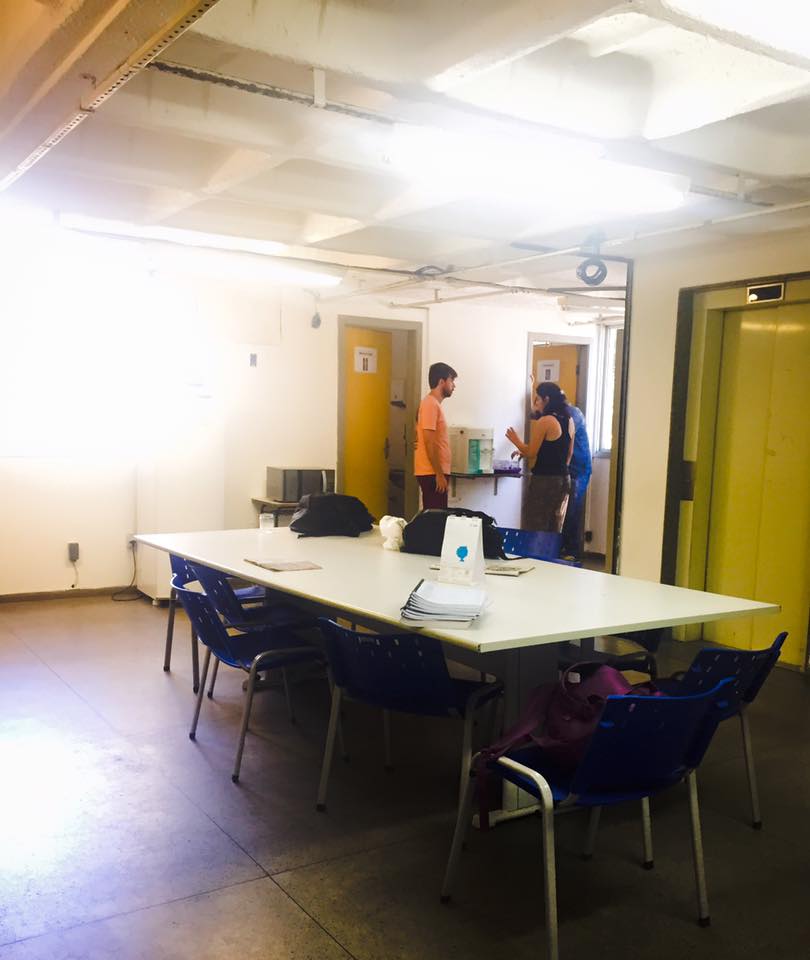
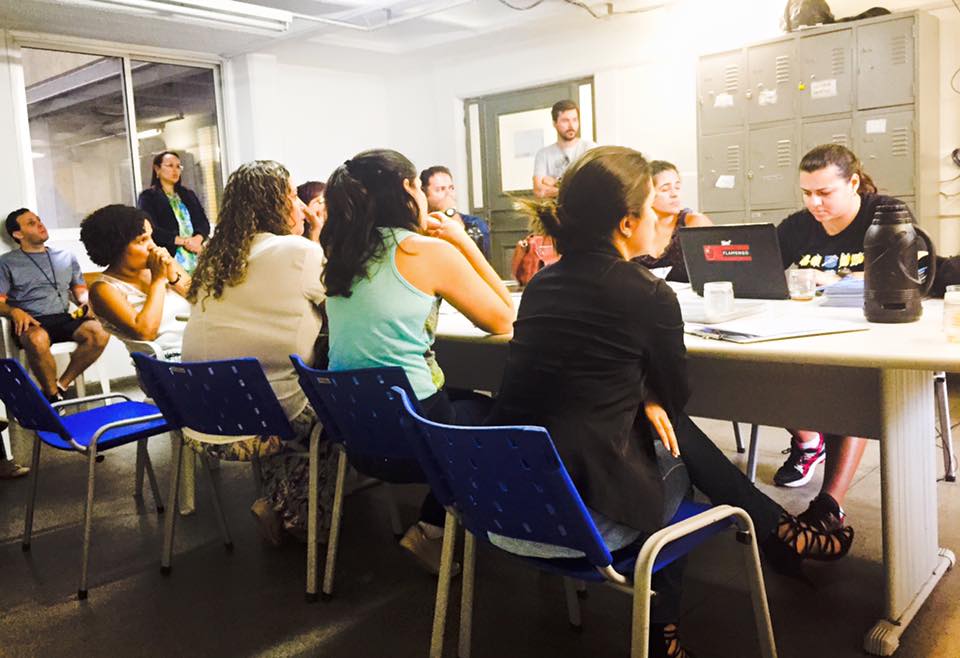
For the past two months, Wheber’s class and students have been the focus of a PhD candidate’s research. She has observed Wheber teach on several occasions, and last week she had a small group of his students complete a written survey. Her focus is on English language acquisition and literacy, student engagement, and the Brazilian educational system. Today, the PhD candidate visited again, and Adrian and I were able to sit in and participate on their discussion and reflection. According to the student surveys, many of the students value education and understand it’s importance in creating a responsible citizenry. Nevertheless, the survey also suggests that many of Wheber’s students see the school as disorganized. They tend to think that students are able to get away with breaking rules [ditching school, for example], with little or no repercussions. Finally, the student surveys suggest that many of Wheber’s students are disengaged from the educational system and process. While they state that understand the value of an education for reaching certain goals and becoming a productive member of society, their actions do not match this understanding. 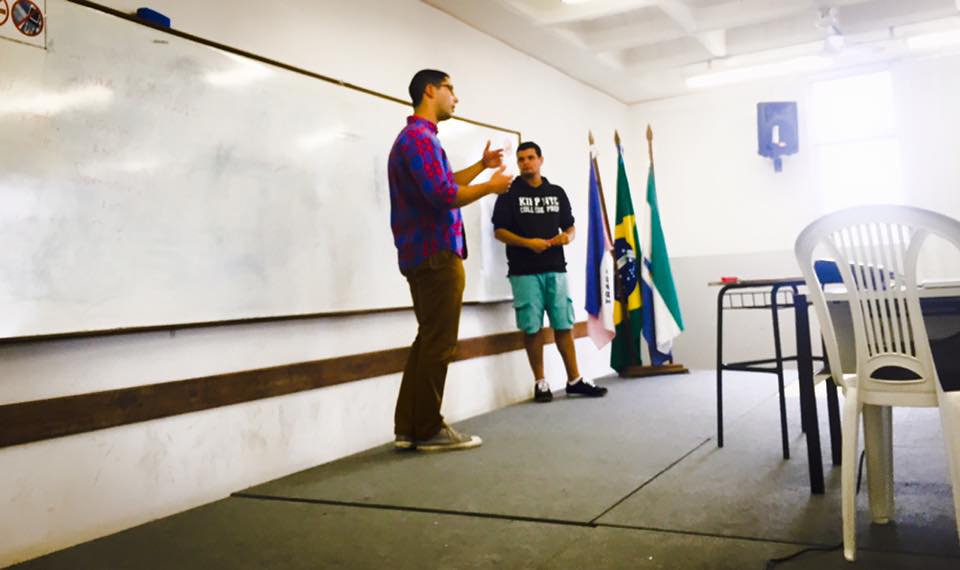 We also discussed the role of a Principal in a public school. In Brazil, public school administrators are frequently appointed by the Ministry of Education. These administrators, it turns out, have very little education or training in school administration. These administrators, and former teachers, might take a couple of courses that last less than three months in preparation for their new role. This is in start contrast to the United States. In the U.S., most public school administrators receive their Masters in school management [an M.A. in Educational Leadership and Policy Studies, for example. Moreover, many administrators first venture into school management by taking on an out of classroom position [Title 1 Coordinator, for example]. In Brazil, this is not the case. These former teachers are thrown into their new role with little or no training—and frequently have little knowledge and/or experience with school laws, finance, community engagement, developing school culture and systems, etc. These are all areas of study that prospective public school administrators study in their school administration M.A. programs. The student surveys, then, perhaps reflect this lack of effective school management on the part of public school administrators in Brazil—especially in larger high schools in working class communities. Such a school faces less parental support, high-risk students, and minimal government funding. These extra challenges require school administrators skilled in a plethora of areas—and the lack of training for public school administrators in Brazil debilitates many of these schools. The four of us discussed other educational matters vis-à-vis public education in Brazil versus the United States. Salaries, on the whole, tend to be somewhat higher in the United States. Some Brazilian teachers, in fact, teach three sessions per day. In essence, such teachers work from 7am to 10pm. [Note: Morning sessions typically run from 7am-11:30/noon. Afternoon Sessions typically run from 1-6pm. Evening sessions typically run from 6-10pm] These teachers are clearly overworked. In contrast, most American teachers are assigned to one school site—and typical work hours are from 8am to 3pm. Granted, many American teachers were longer hours, but these extra hours are dedicated to lesson planning, curriculum development, grading student work, etc.
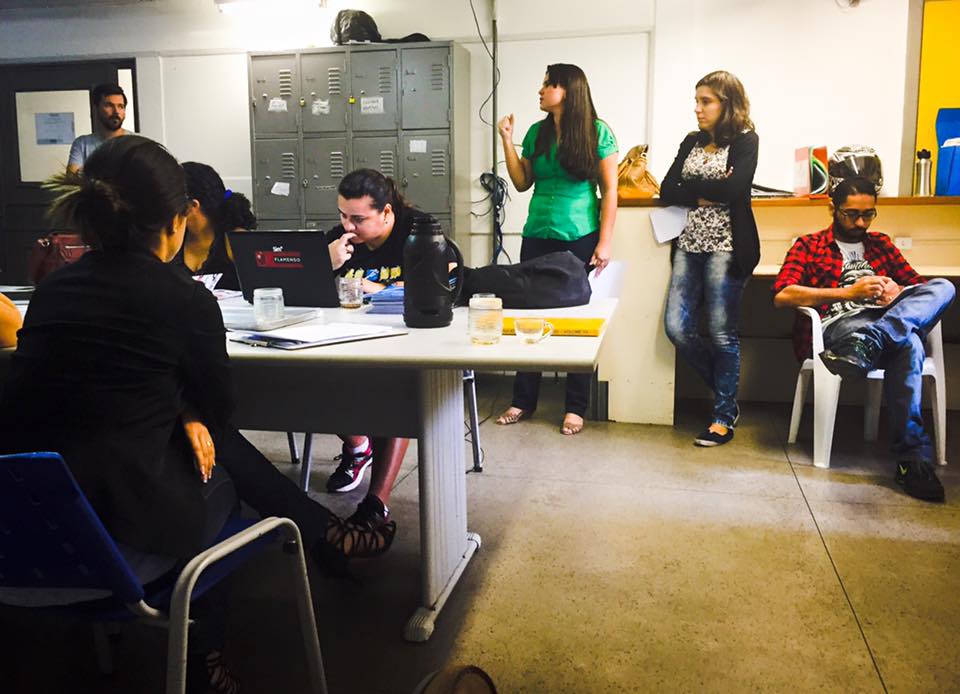 Moreover, some Brazilian teachers struggle with creating a positive classroom environment because they, most often than not, share their classroom with two other teachers. The morning session teacher, for example, must share the same classroom with the afternoon session teacher, as well as the evening session teacher. This situation is in stark contrast to most public school teachers in the United States. U.S. public school teachers generally have their own classroom the entire year—and they do not share their classroom with other teachers.
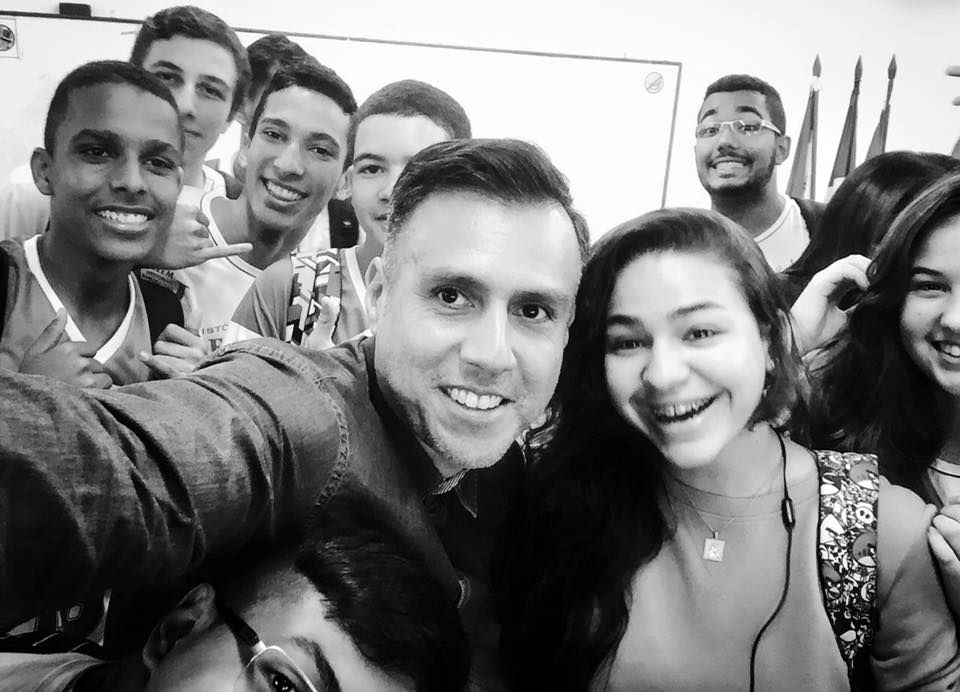
Adrian and I have met many Brazilian students this week. They have all been so very welcoming and gracious. For most, we are the first Americans they have met. In contrast to their wealthier counterparts at the private school in Brasilia, these students have not traveled outside of Brazil. Their knowledge and experience with the U.S. is informed by their exposure to American film and television. As such, the students at our host school were extremely curious as well. They loved asking questions. They wanted to shake our hands. Many hugged us. They snapped photos with us. They wanted to engage in conversations with us—even if it was with their limited English. This, without a doubt, has been the most gratifying and special part of this experience.

 Traveling Fern