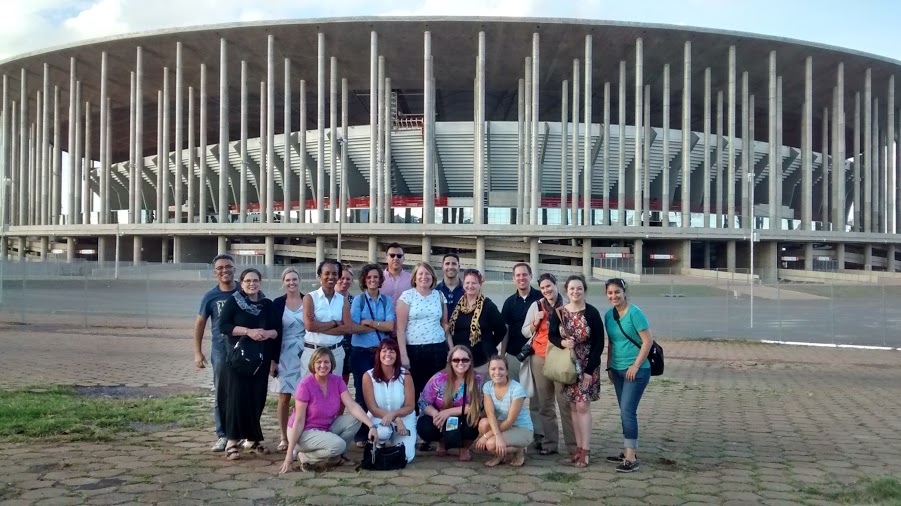
Até a Próxima Salvador [AKA The TGC Experience]
June 24, 2015
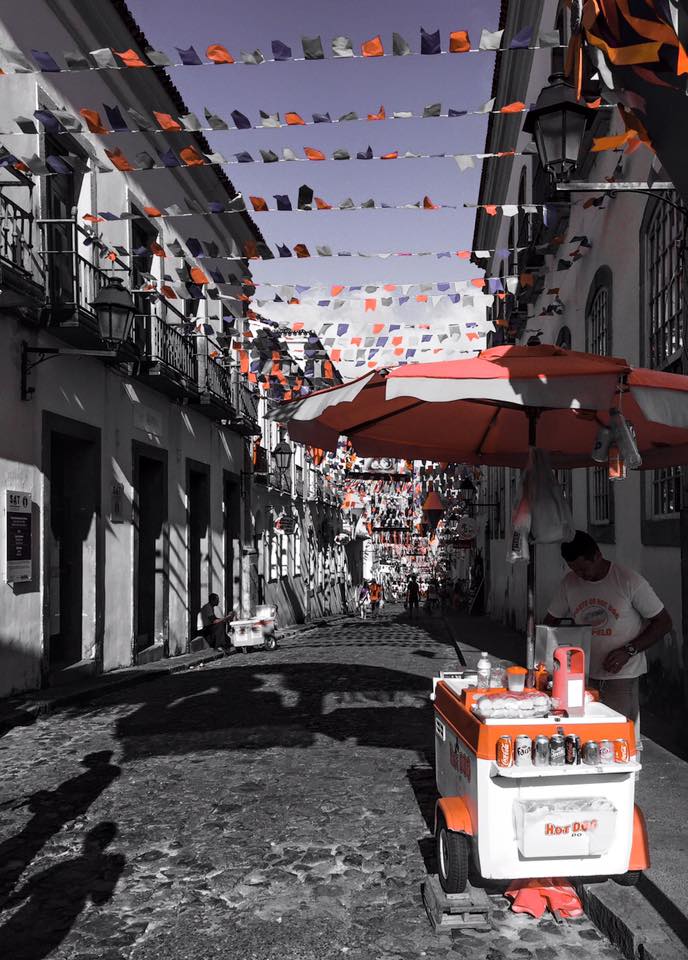
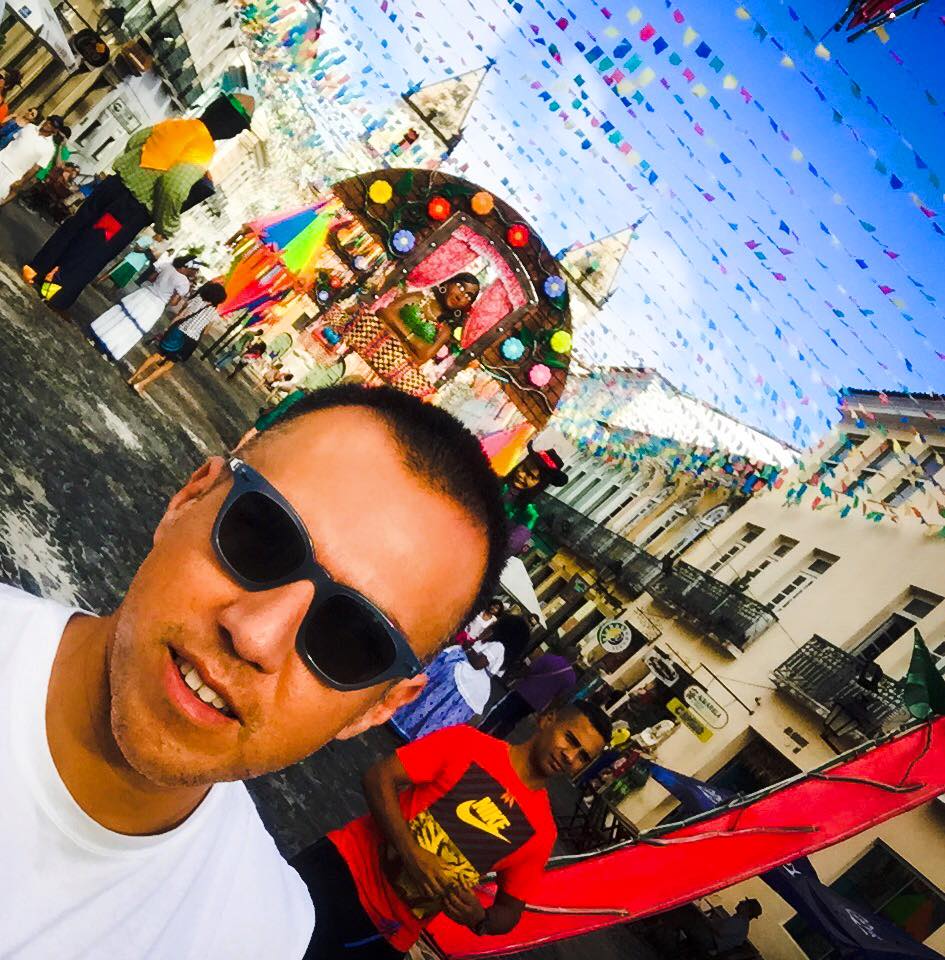
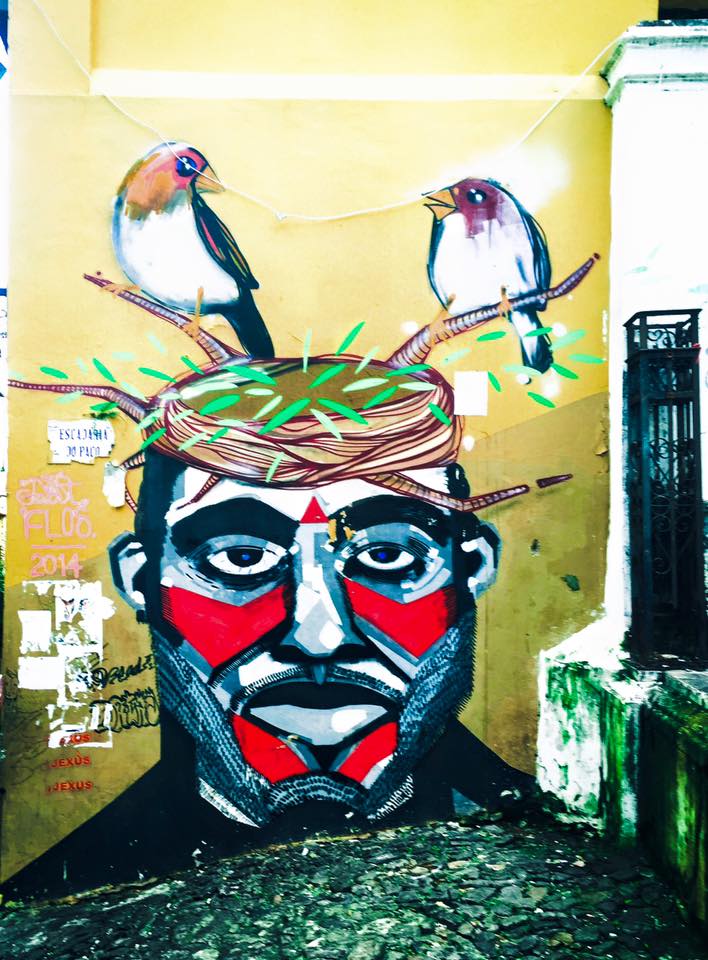
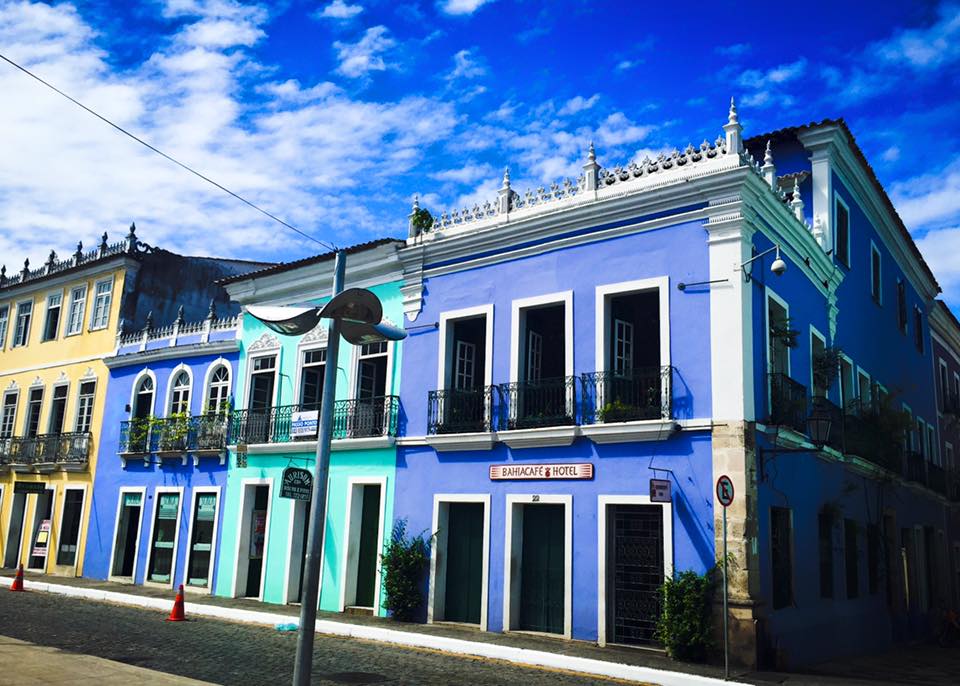
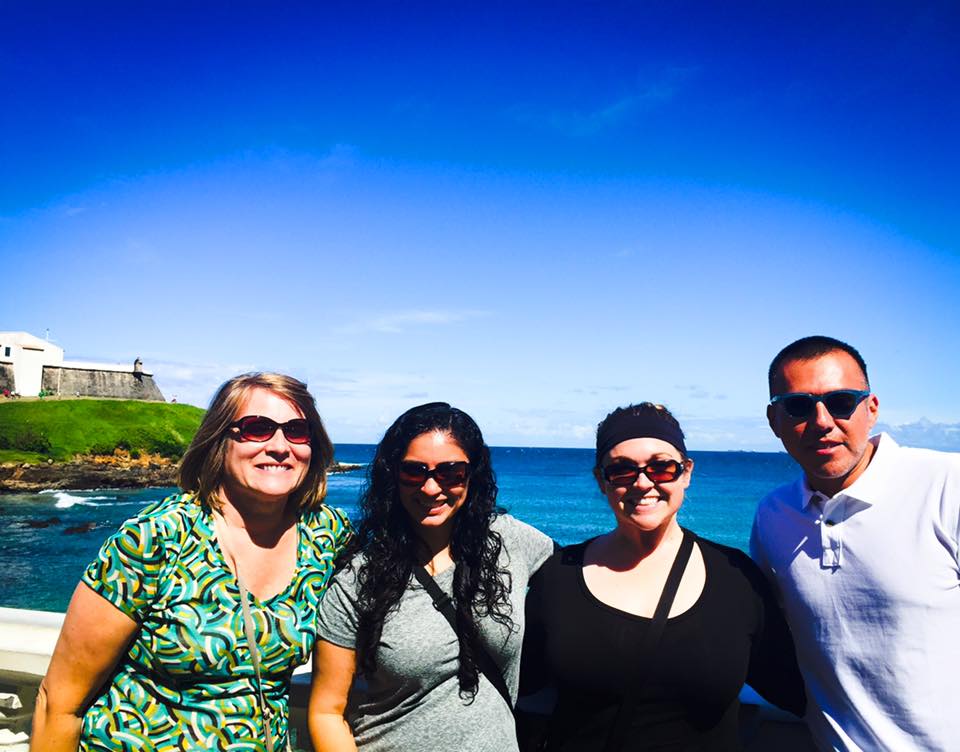
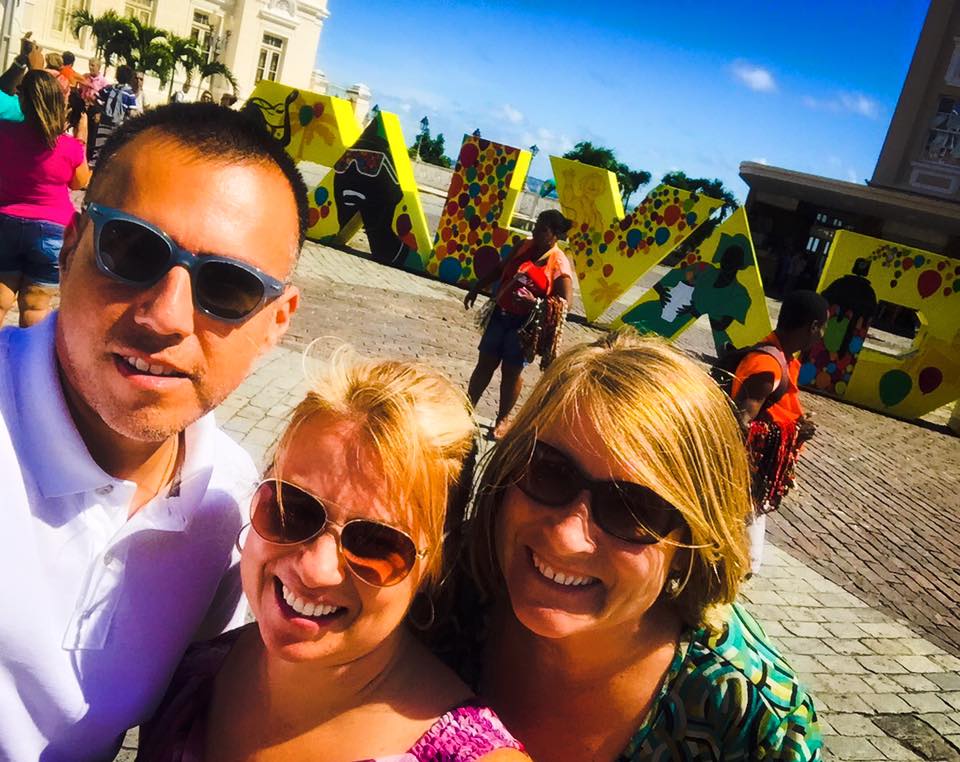
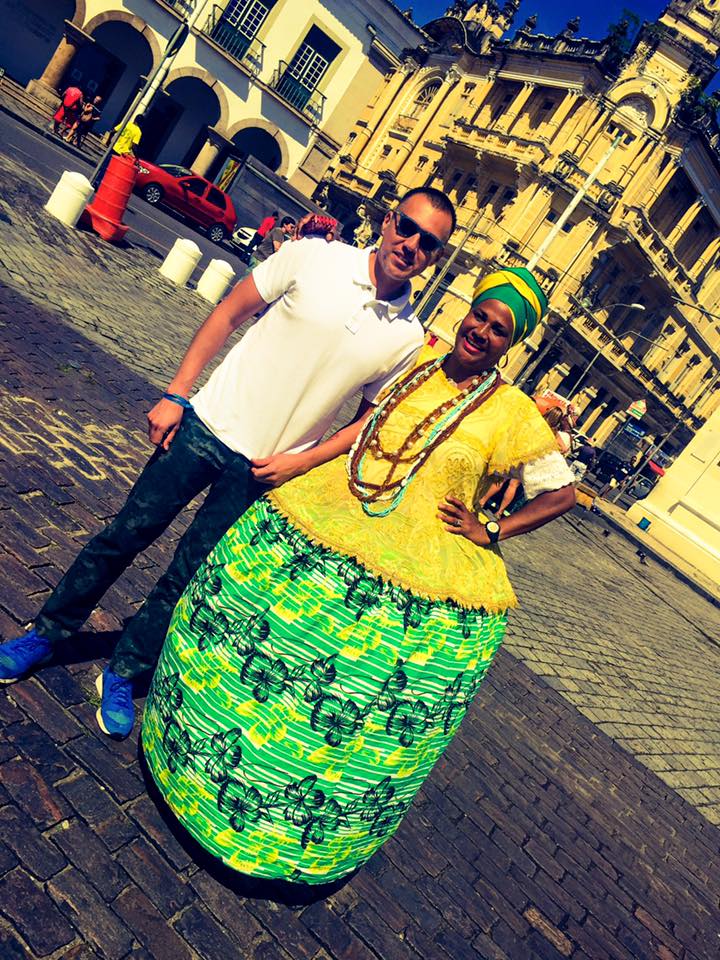
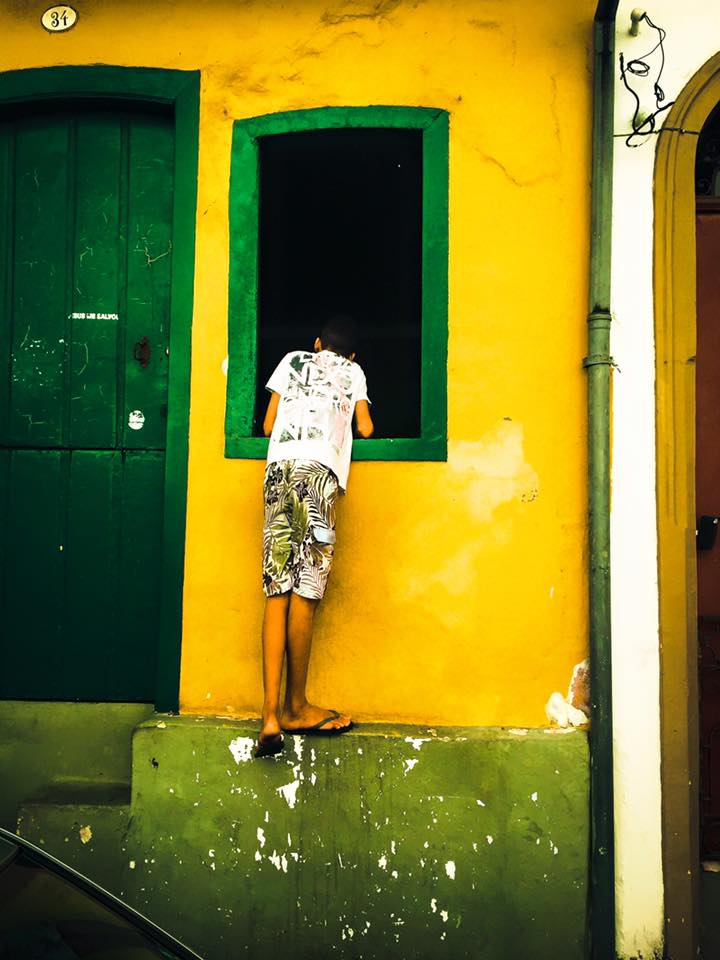
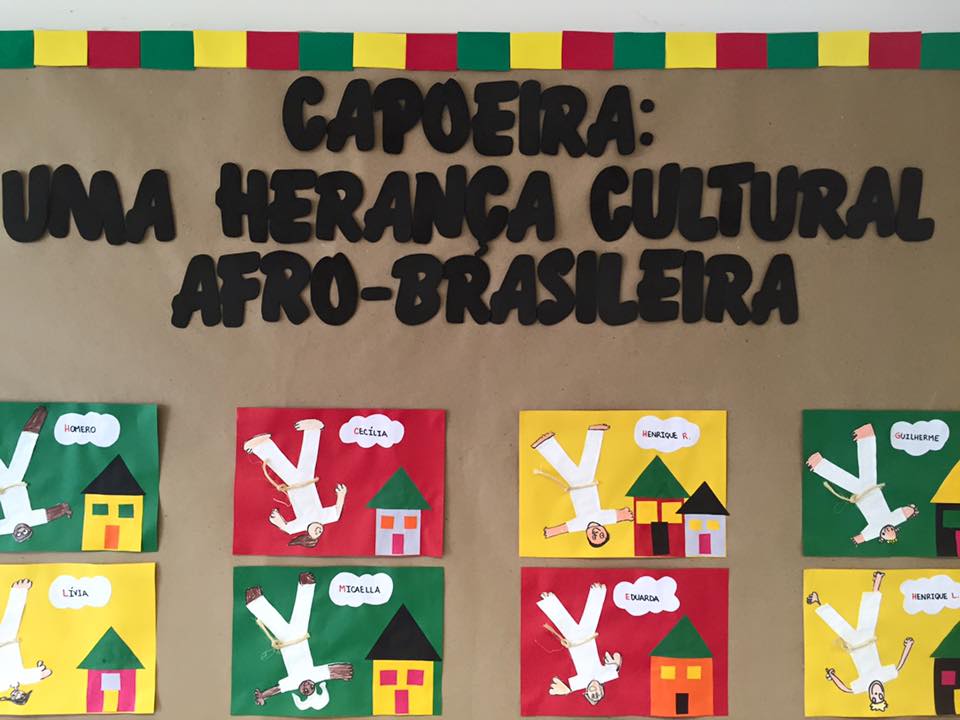
After spending 8 nights in our host cities–Serra, Espiritu Santo for Adrian and I–we closed the TGC experience in the very beautiful city of Salvador, in the state of Bahia. Like the rest of Brazil, Salvador is a city of contrasts. The joy and color and festivities in the street exist side by side with the despair of poverty. Despite the high levels of poverty and crime, Salvador is a magical city–full of life, beautiful people, and a distinct Afro-Brazilian culture that is absent in many other regions of this large South American nation.
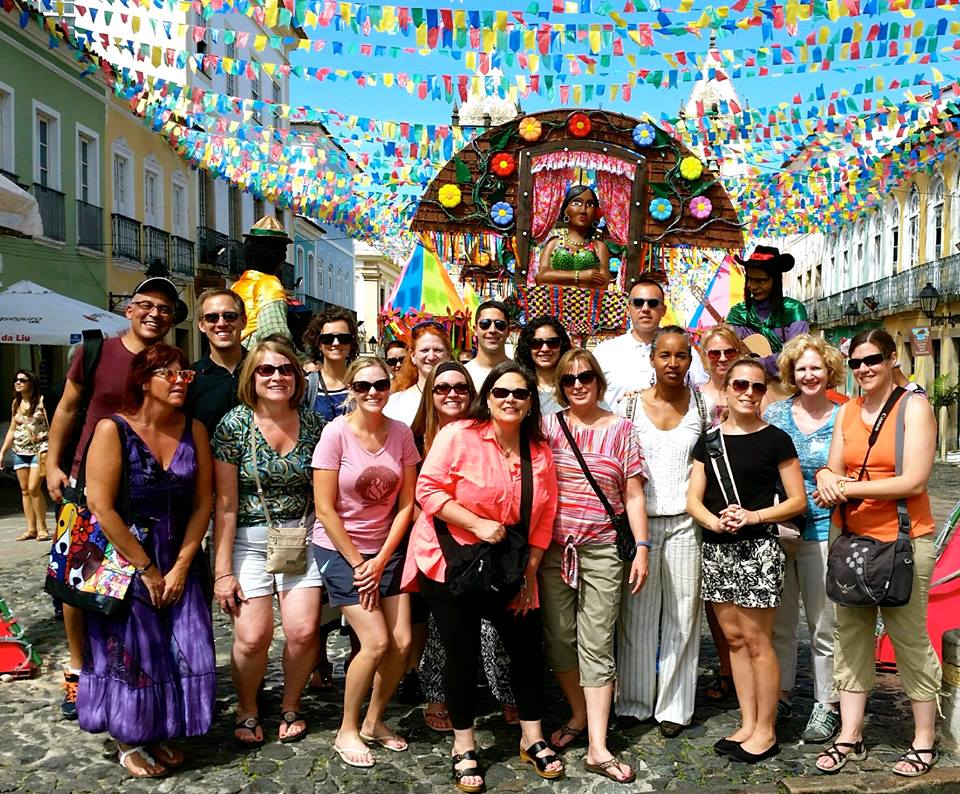
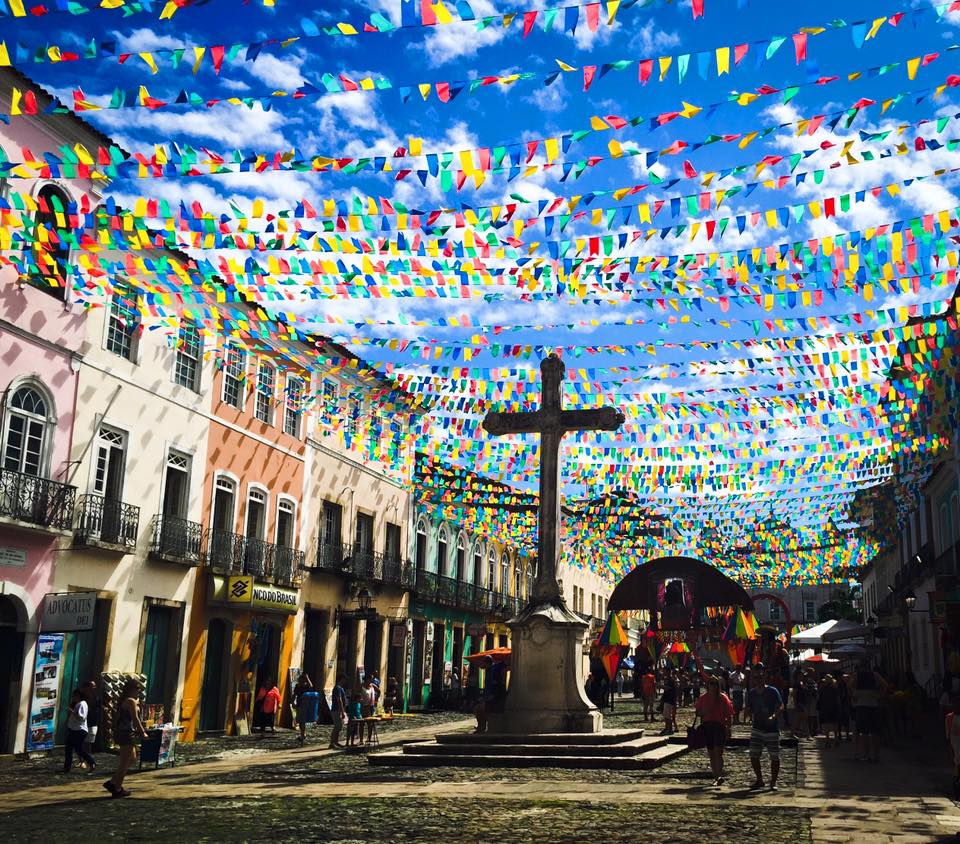
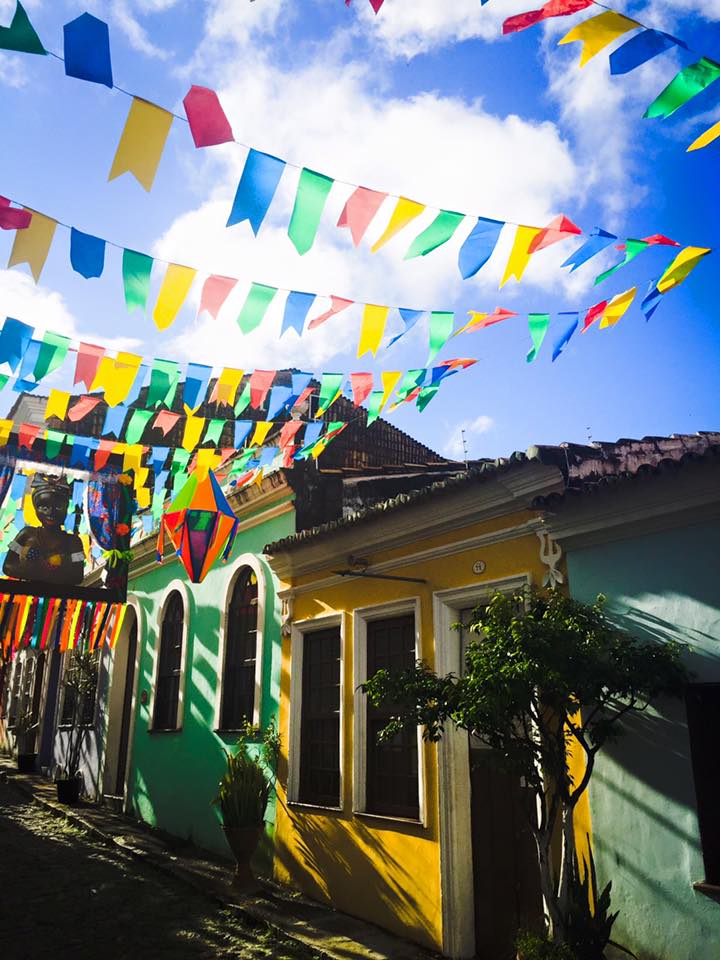

Our first day in Salvador was a travel day, and Adrian, Yvette and I were lucky enough to arrive at 10am. Many of the others did not arrive to Salvador till after 10pm–as the 16 TGC partcipants were coming flying into Salvador from disparate regions of this enormous country.
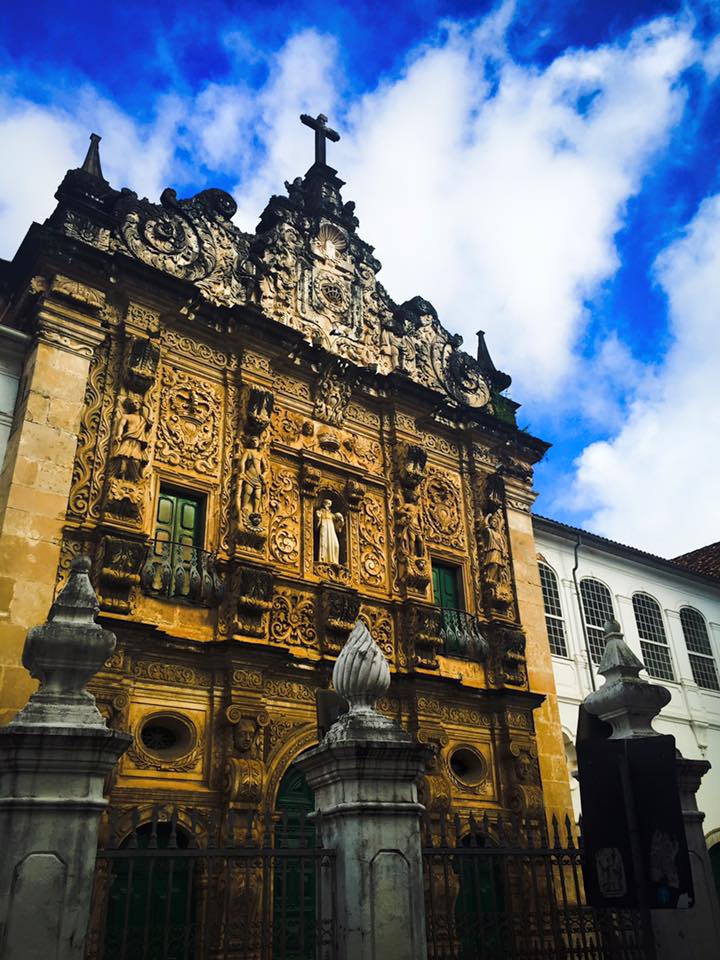
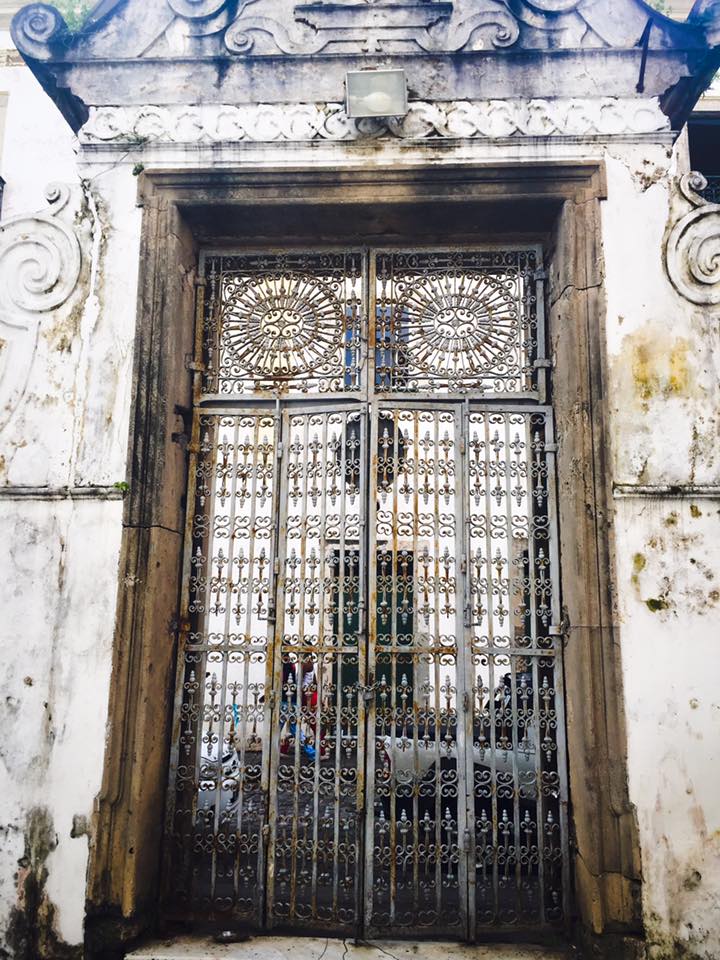
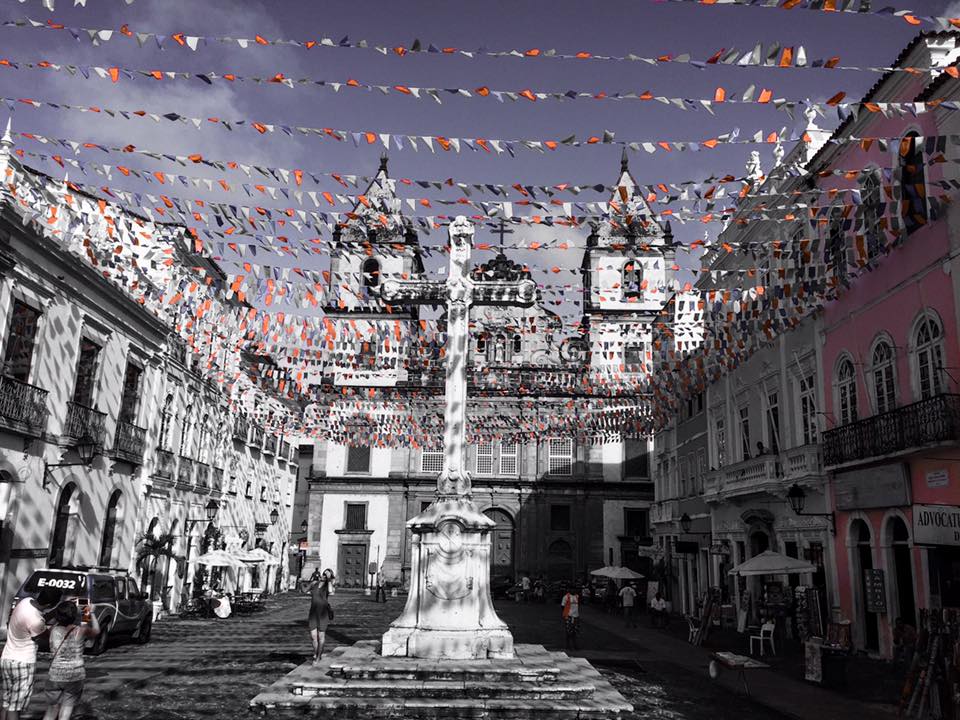
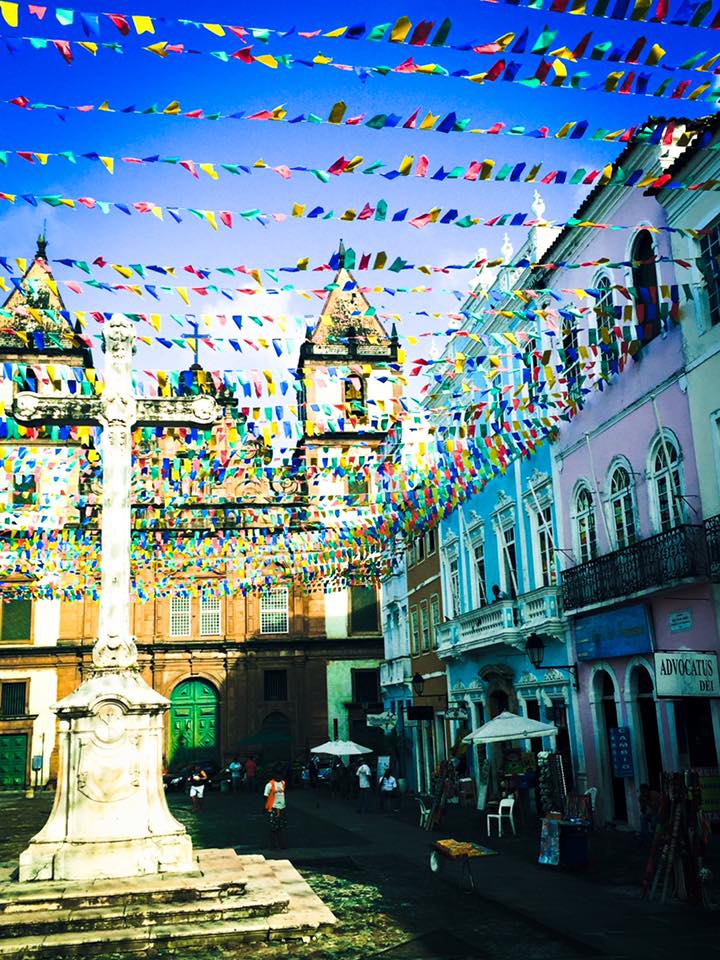
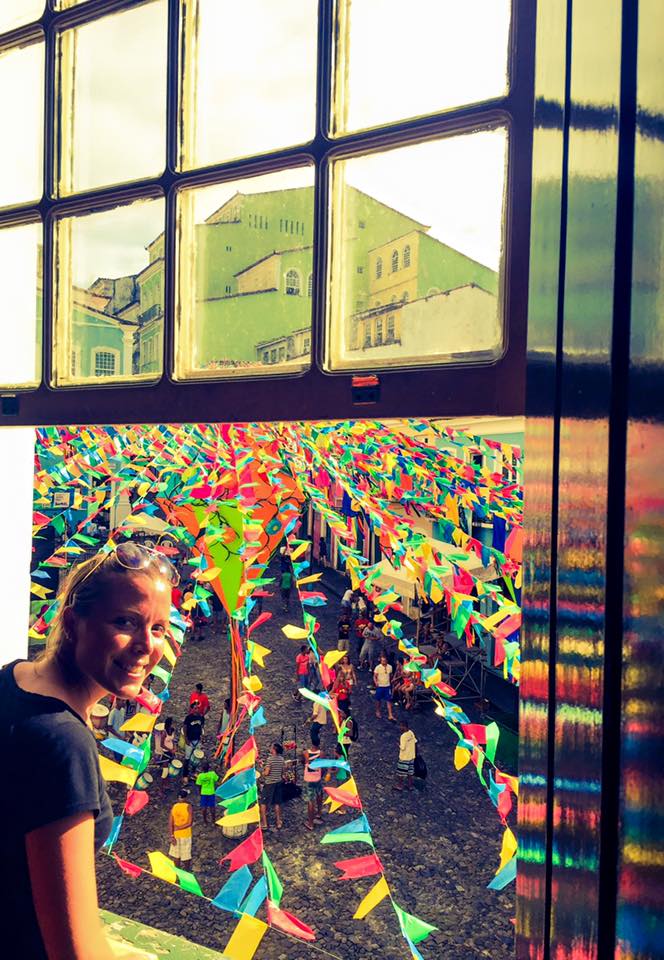
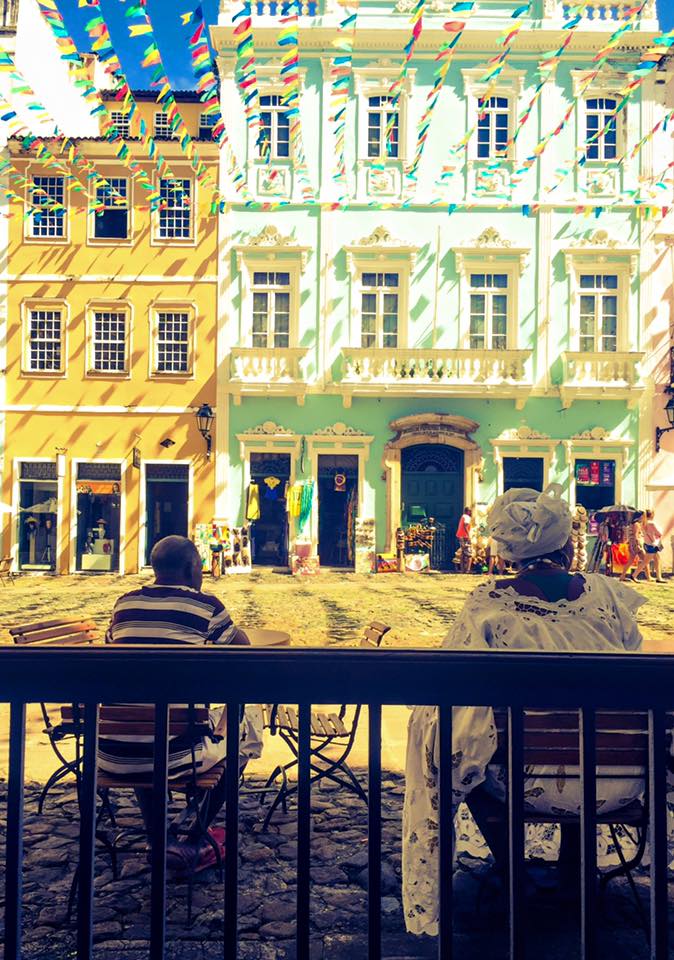
The three of us took advantage of this free day to explore Salvador. After a delicious lunch at a beachfront restaurant, we made our way to the Pelourinho, or the Centro Historico [old historical city center]. The Pelourinho dates back to the colonial period–as Salvador was one of the first colonies in Brazil for the ever expanding Brazilian Empire. We immediately felt the energetic buzz and life of both Salvador and the Festa Junina. It turns out our five day stay in Salvador coincided perfectly with this annual fiesta that exudes joyous life, color…and partying.
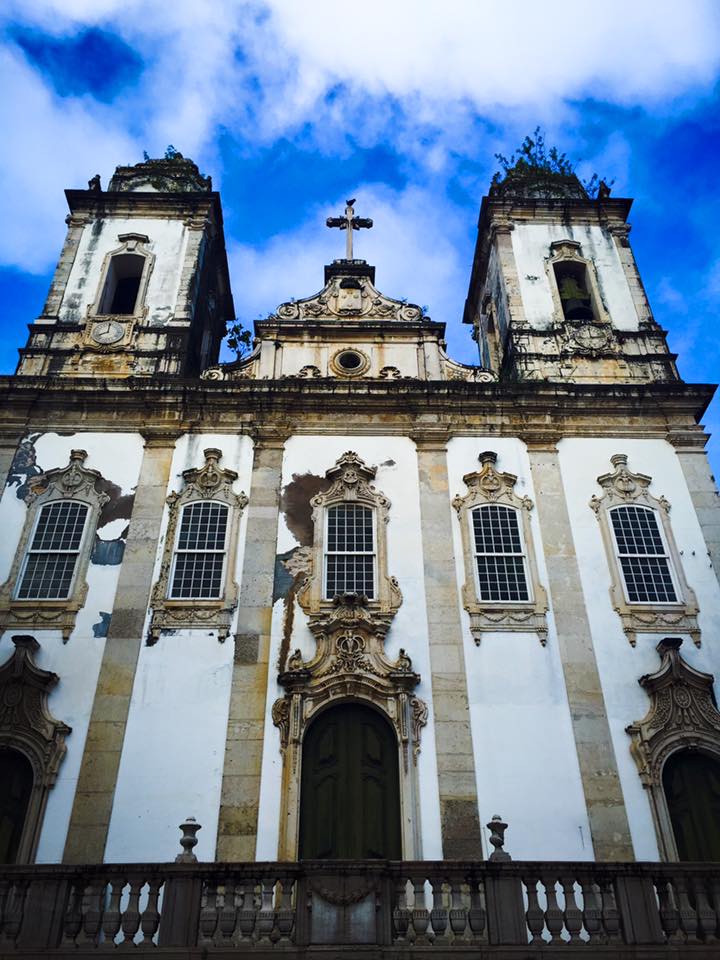
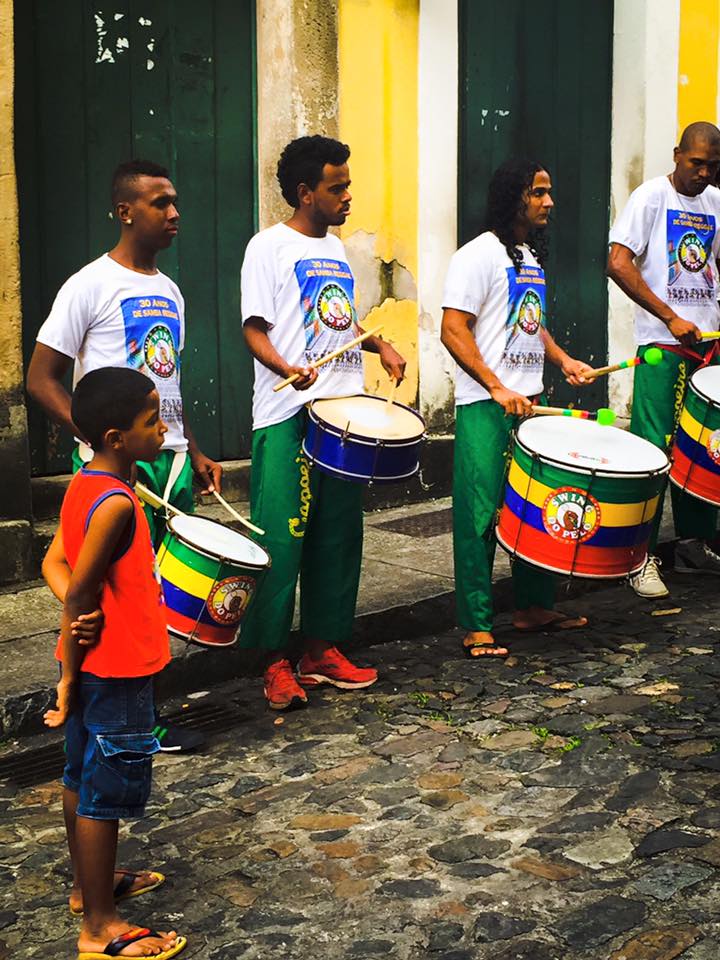
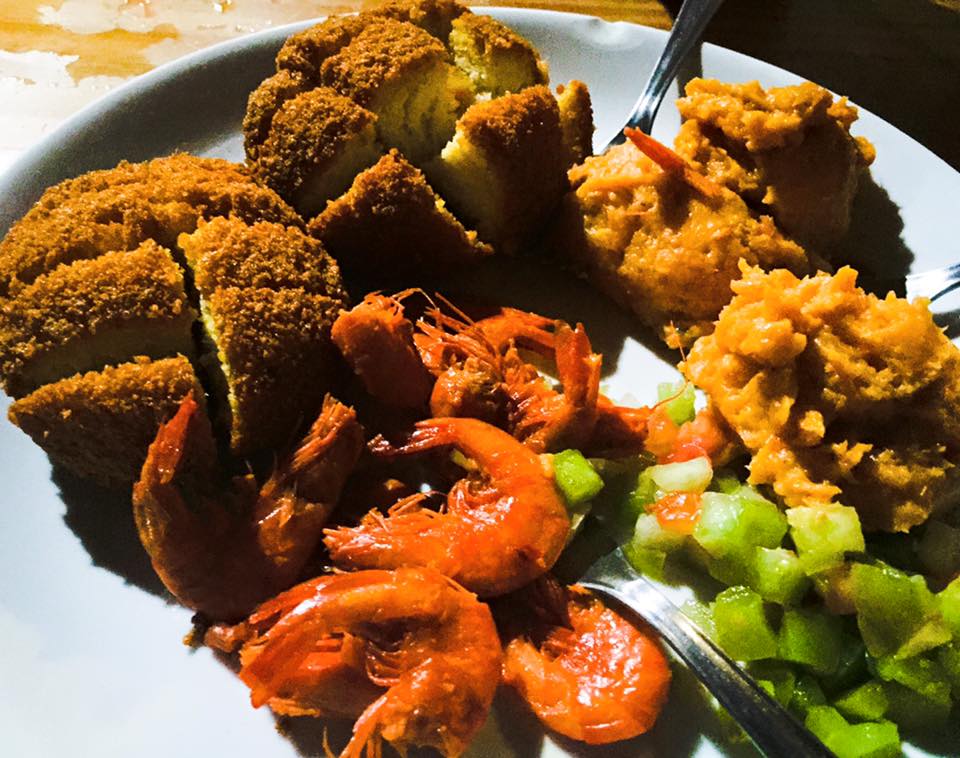
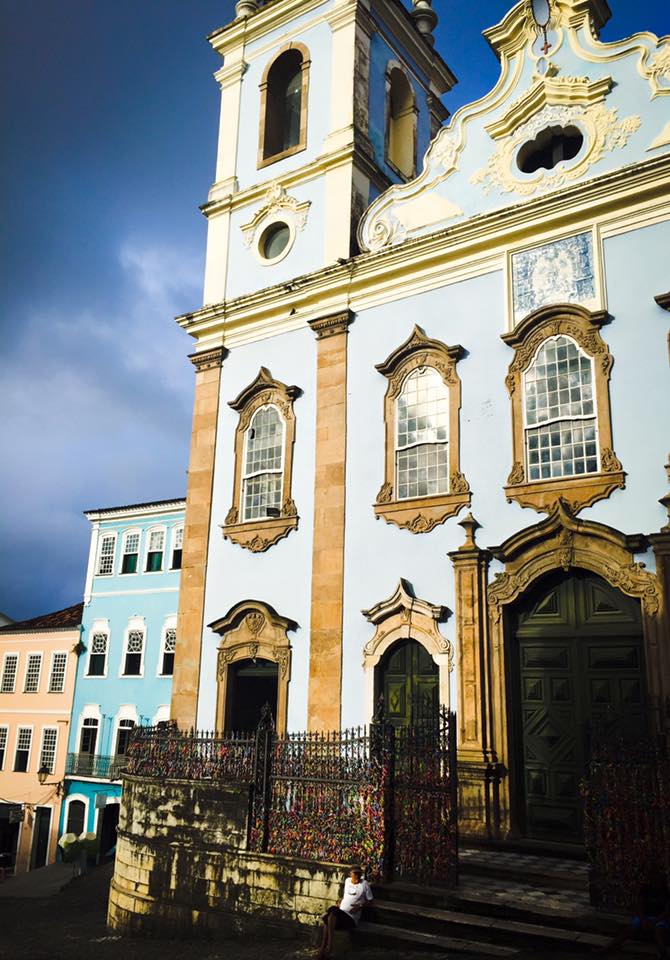
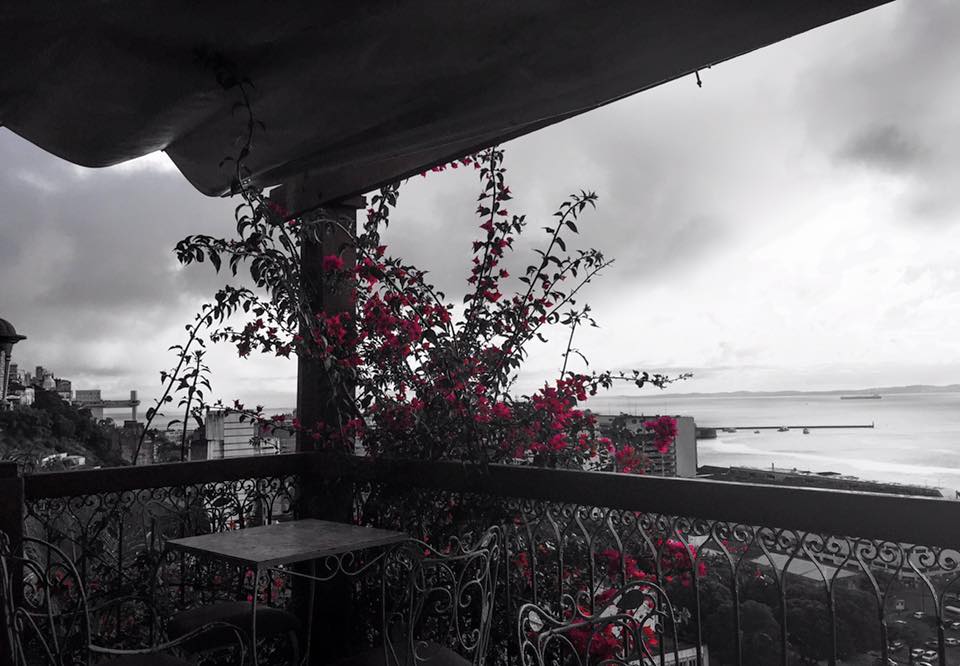
We ended our afternoon in the Pelourinho at a delightful cafe overlooking the calm bay.
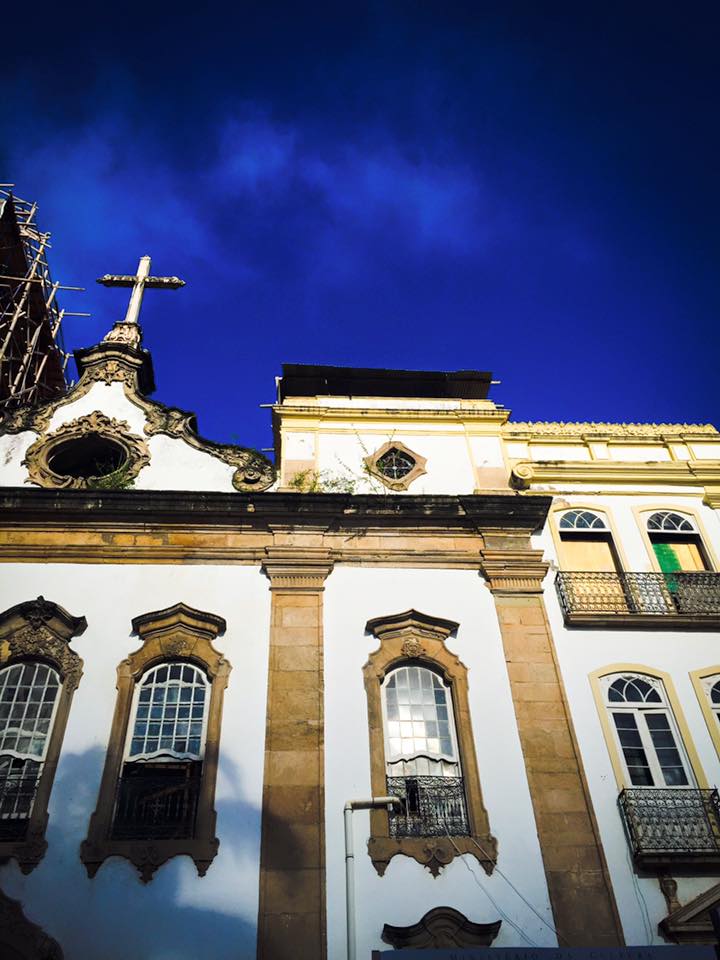
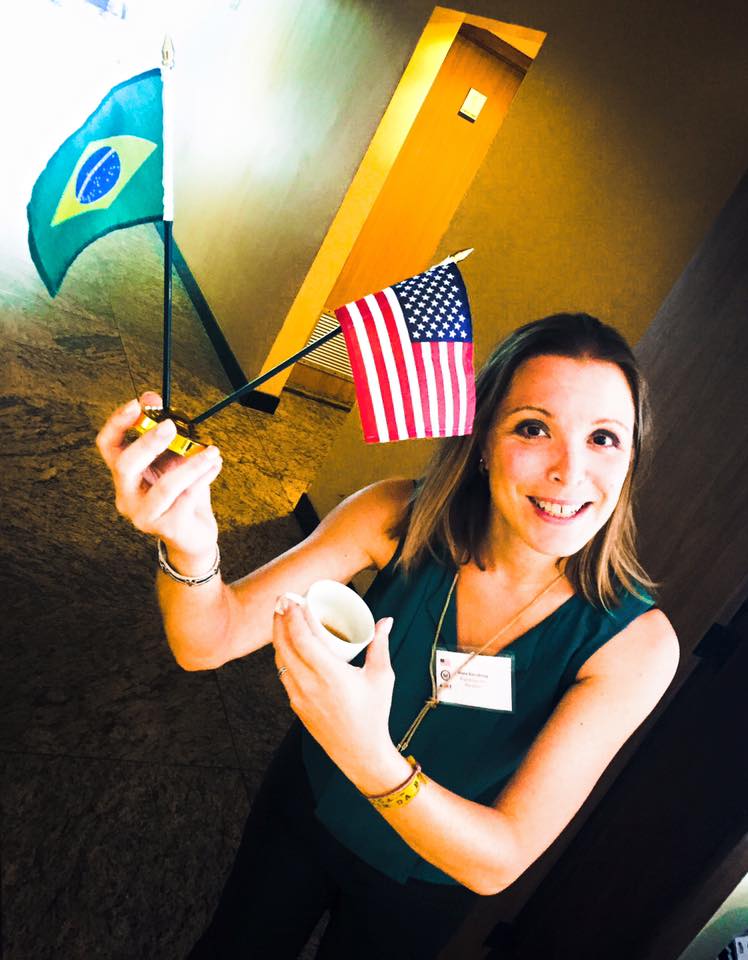
The following two days of our Salvador experience included a two day TGC-ILEP Conference. At this conference, the 16 TGC participants met up with 25+ Brazilian teachers that had gone through the ILEP program. ILEP is a ‘sister’ program to TGC. Brazilian English teachers are able to live and study at an American university for several months–to improve both their English and their pedagogical practices. During this conference, we shared experiences, further explored our research questions, and developed prelimary plans for bi-national collaborative projects.


Our last night in Salvador was spent in the Pelourinho once again. It was the climax of the Festa Junina, and the neighborhood was filled to the brim with people out to enjoy one last night of festive music and positive energy.
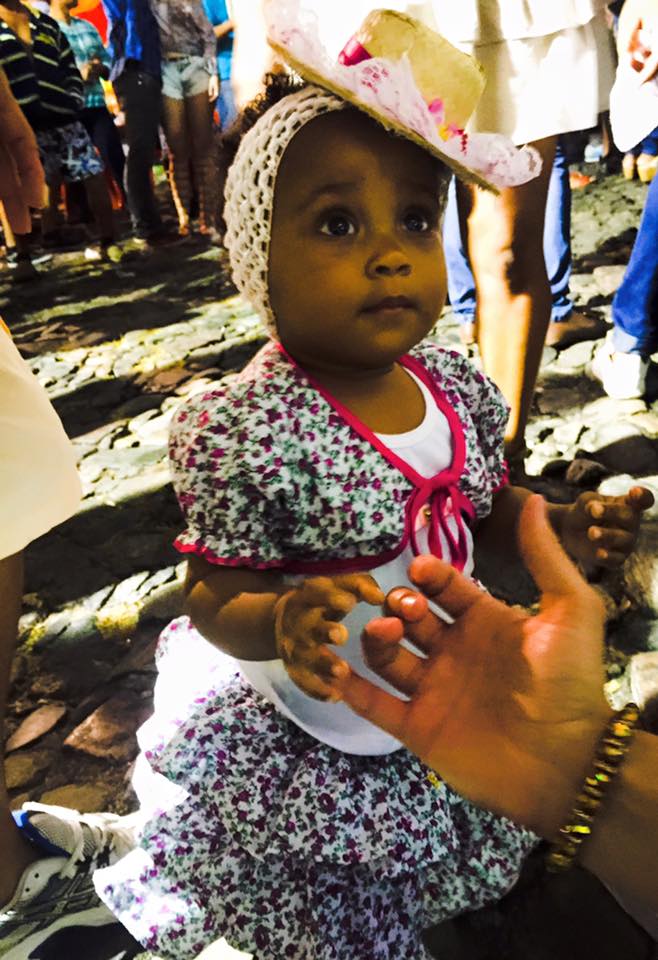
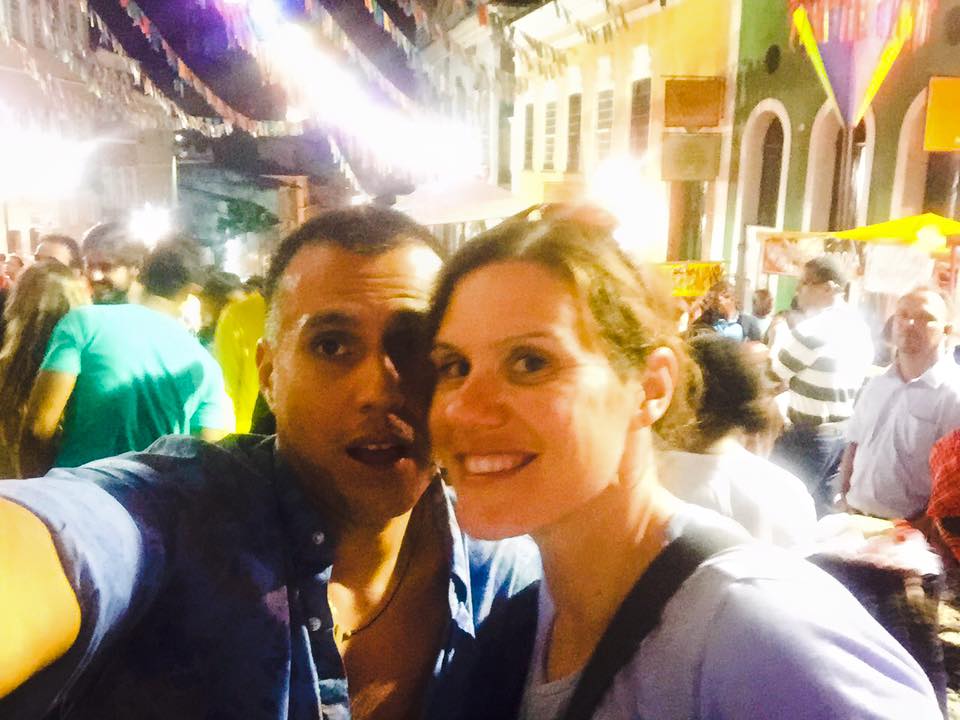
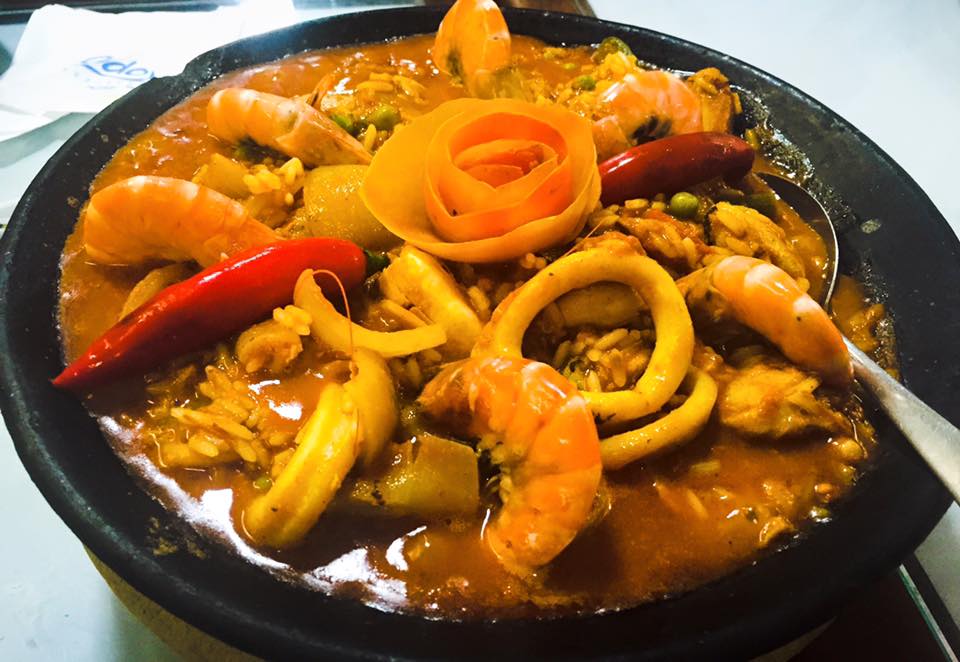
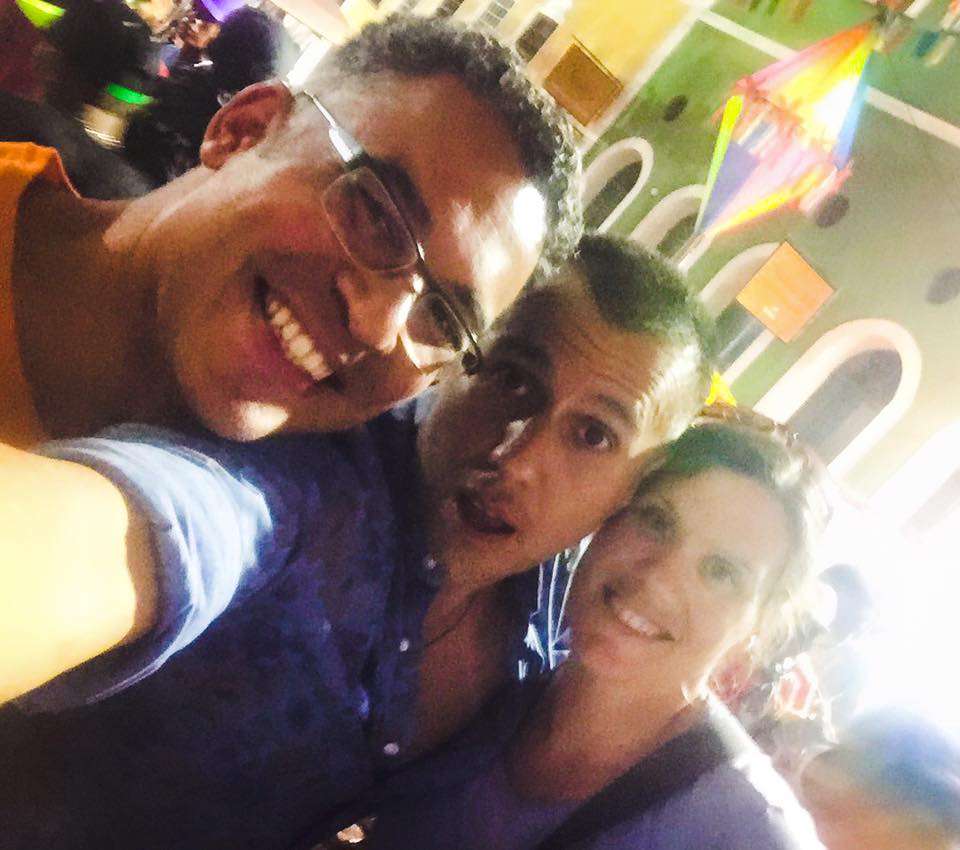
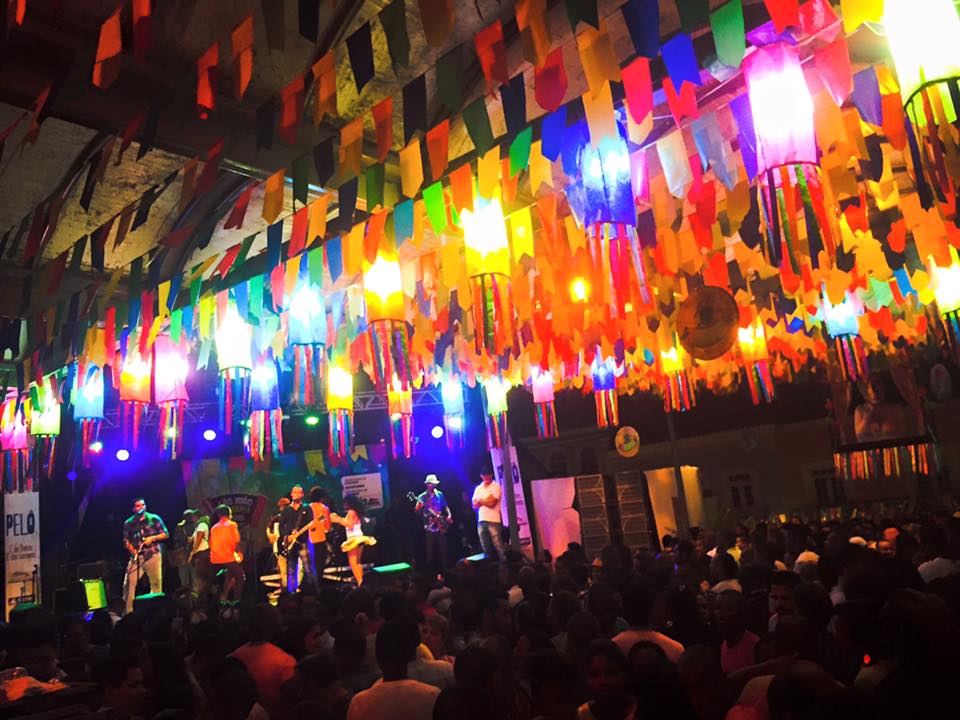
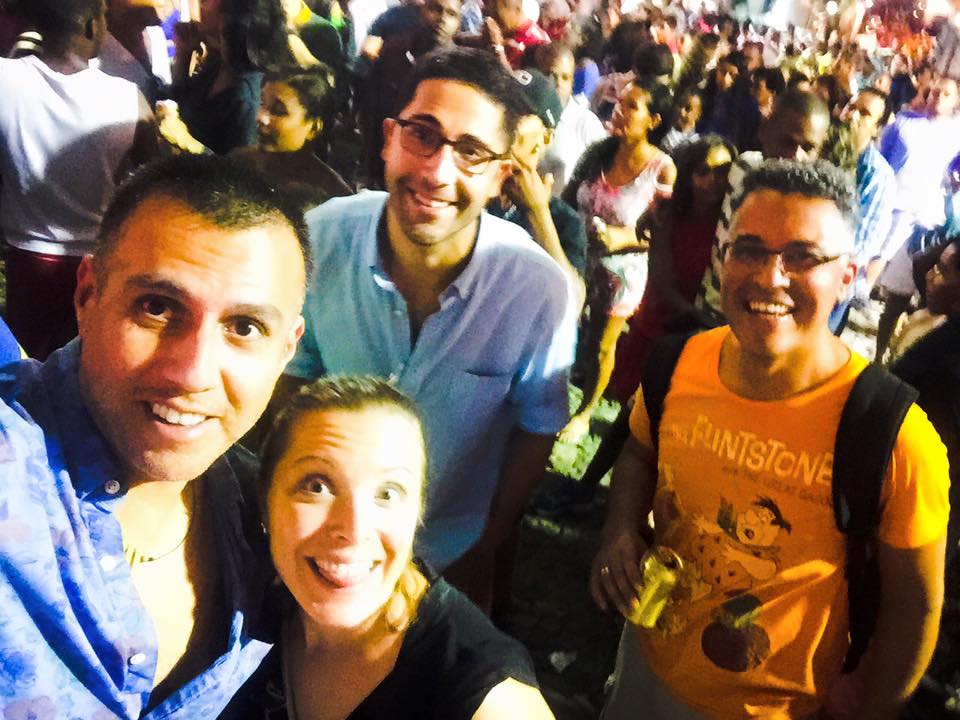
Salvador de Bahia – Life in Color
June 20, 2015
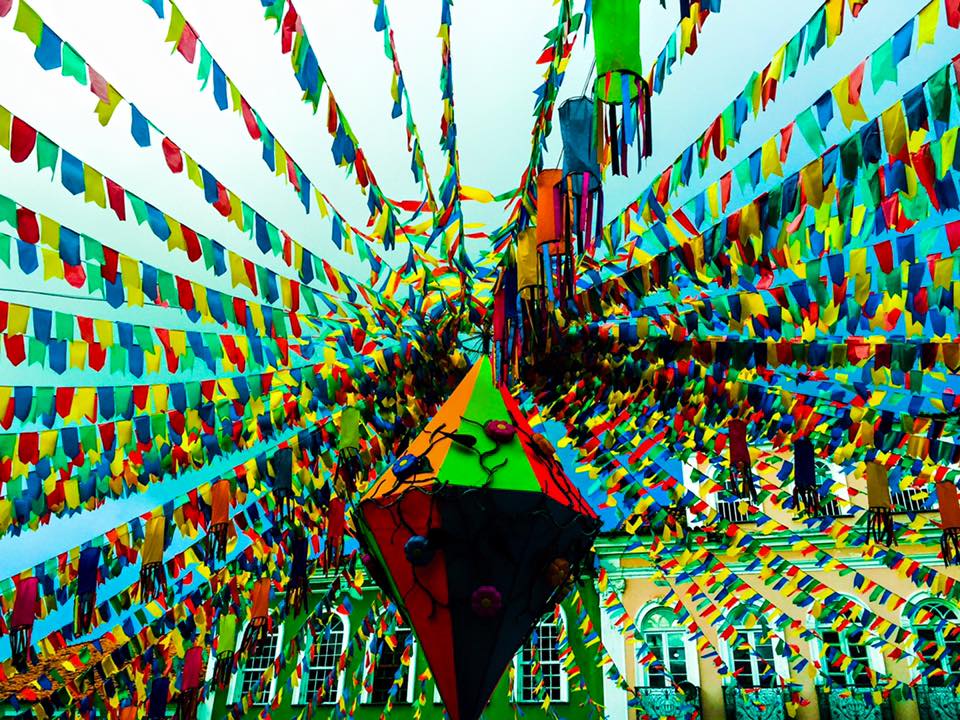
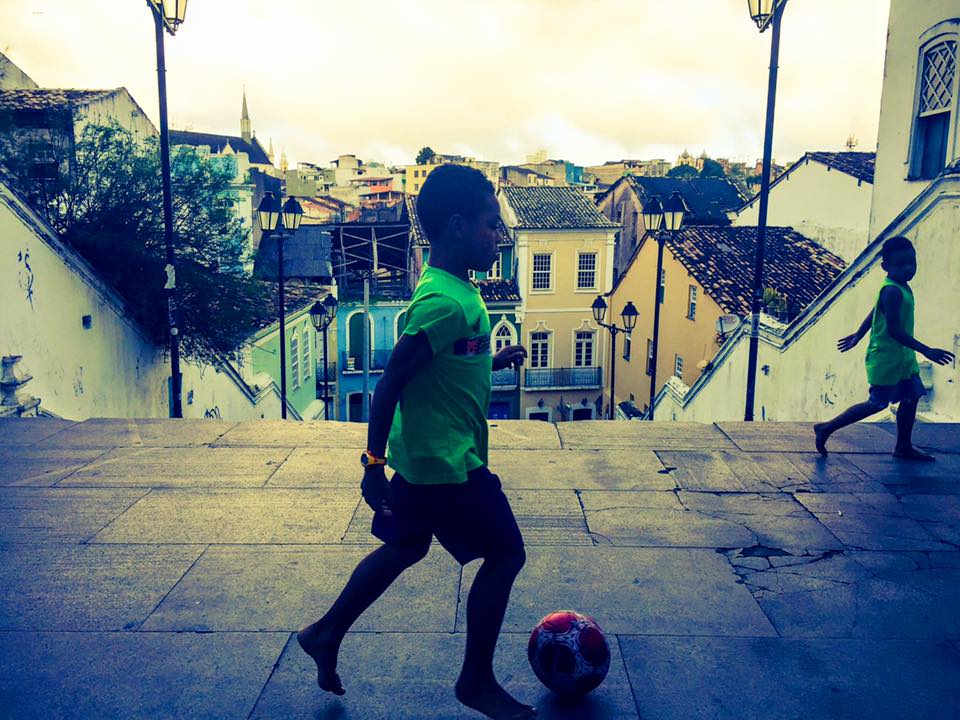
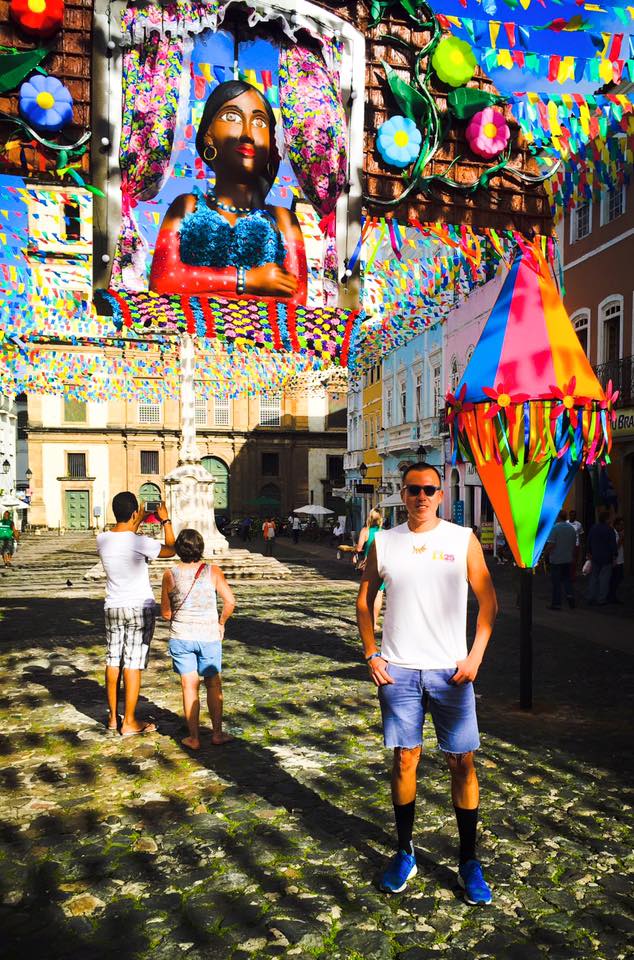
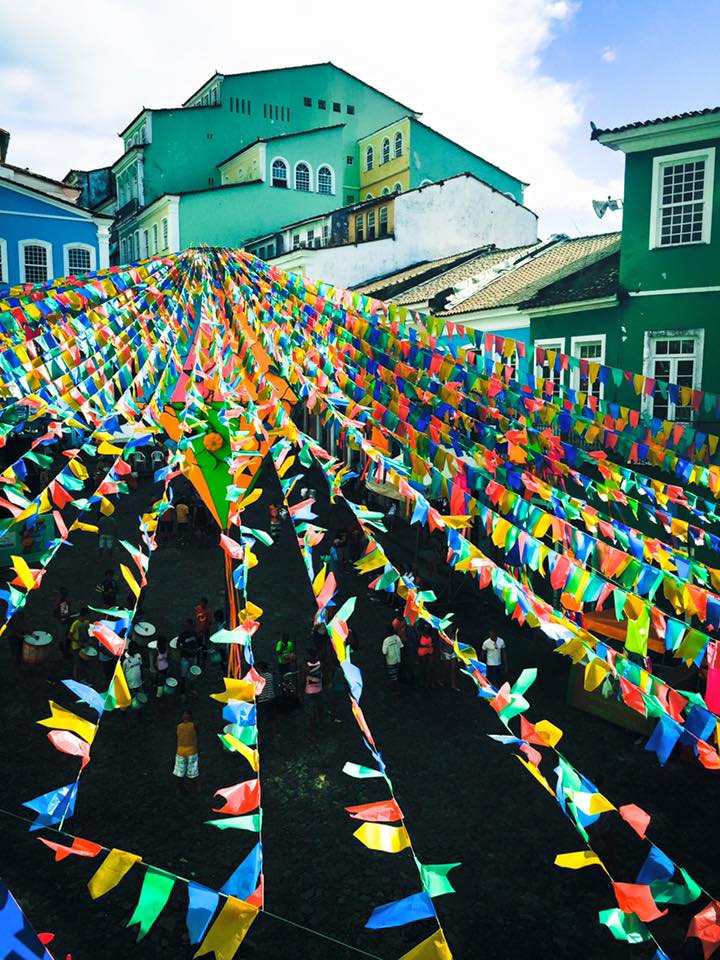

It’s so Hard to Say Goodbye
June 20, 2015

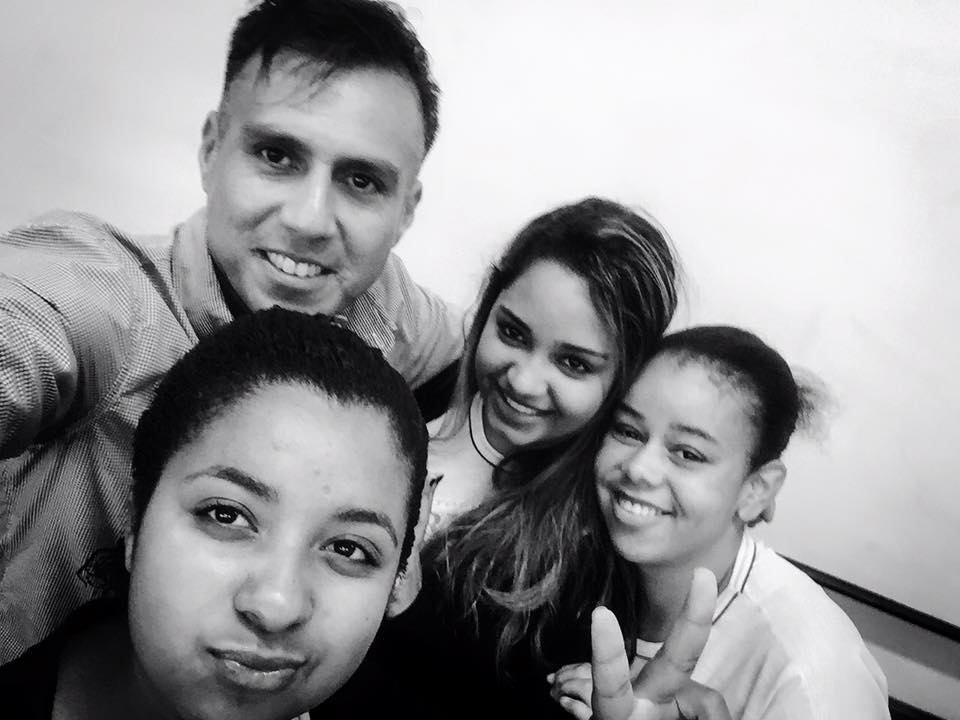
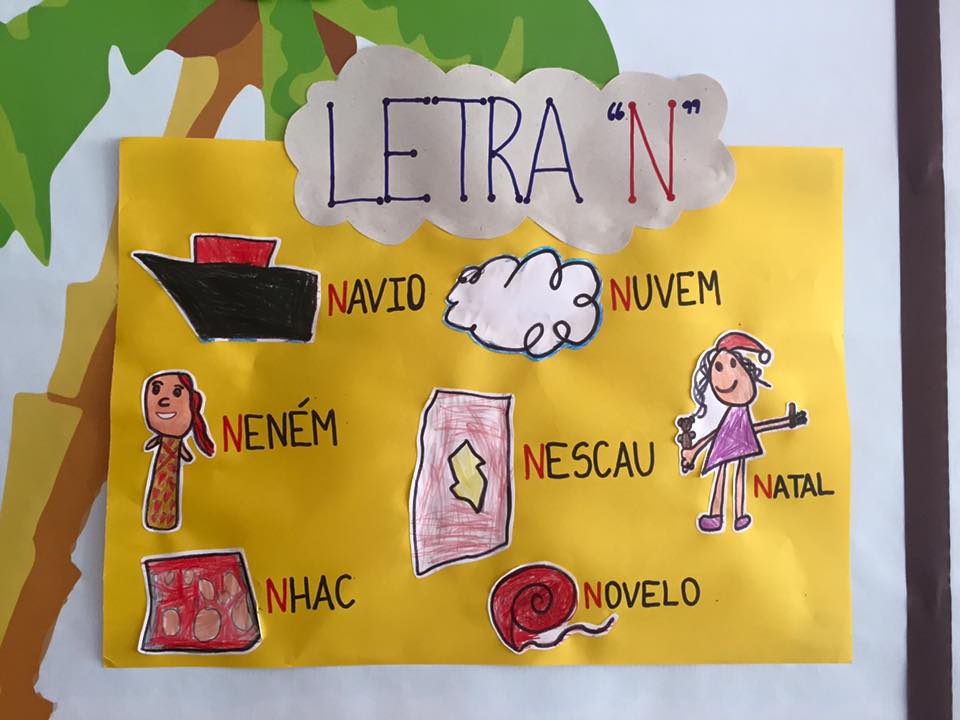
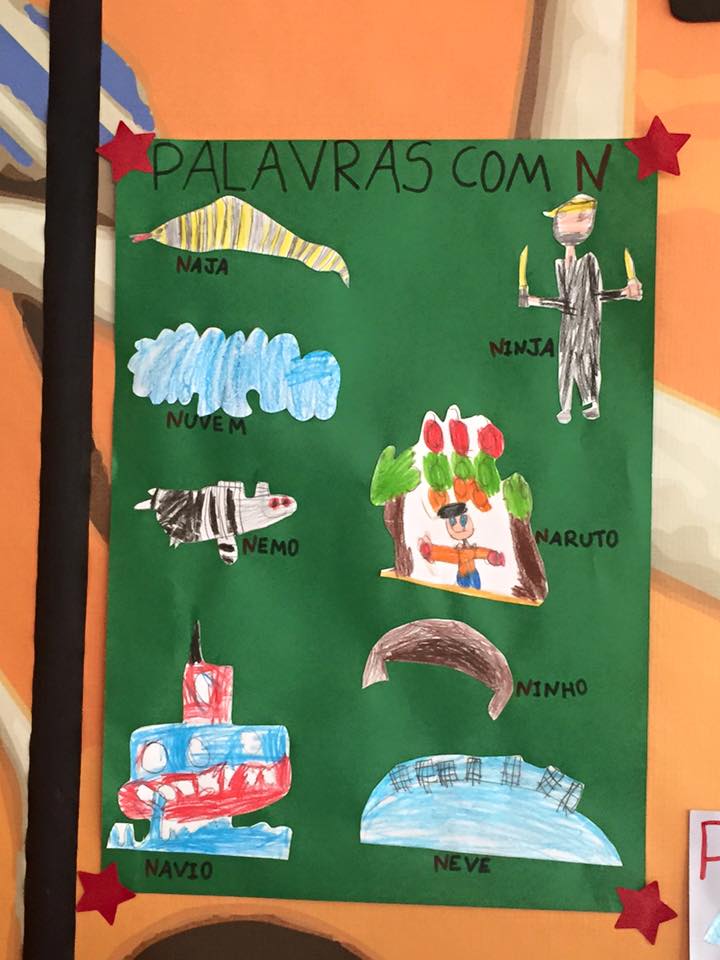
Today, our last day with our host teacher and at our host school, we had a roundtable discussion and reflection on our week together. We began our discussion with students sharing their views of Americans/foreigners prior to our arrival, and their views today. Although some of the students have had interaction with Americans and foreigners in the past, some have had little or absolutely no contact with Americans and foreigners. Their impression prior to our visit is that all Americans are wealthy, successful, and blond. After an engaging week of interaction between our host school students and us, the Brazilian students realized that this is not the case. Adrian and I shared both our personal experiences in the states, as well as the common experiences of our urban students—most of whom are poor and working class students of color [black and Latin Caribbean’s in the Bronx, and primarily immigrants and children of immigrants at my school in South LA]. The students realized that not all Americans are ‘rico,’ or rich.
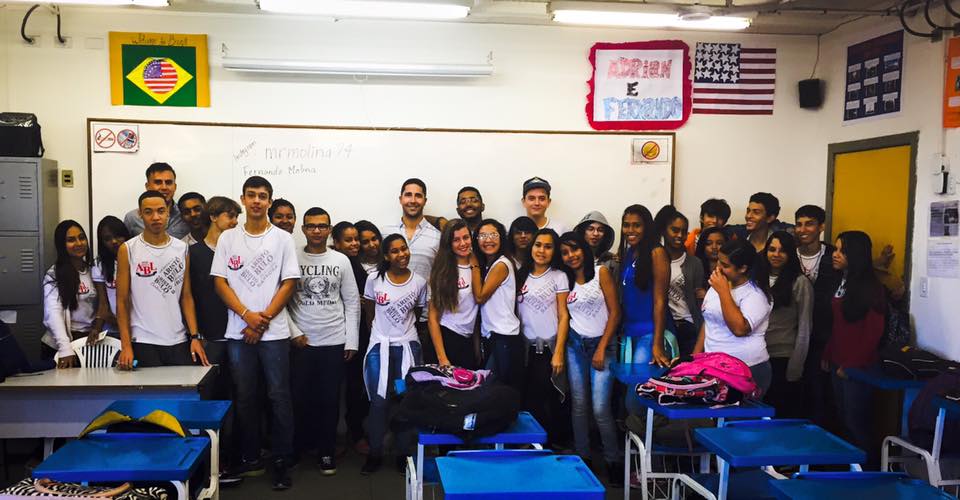
After our rich discussion on our common misconceptions of each other, we proceeded with our final question and answer session about American history, culture, and society. The Brazilian students were especially interested in the lives of their young counterparts in the states. Other themes that arose on several occasions included the environment, cultural and political imperialism, history, and food. The Brazilian students were especially interested in our own personal conceptions of Brazil, and how our experiences in Serra and Brazil in general have impacted said conceptions.
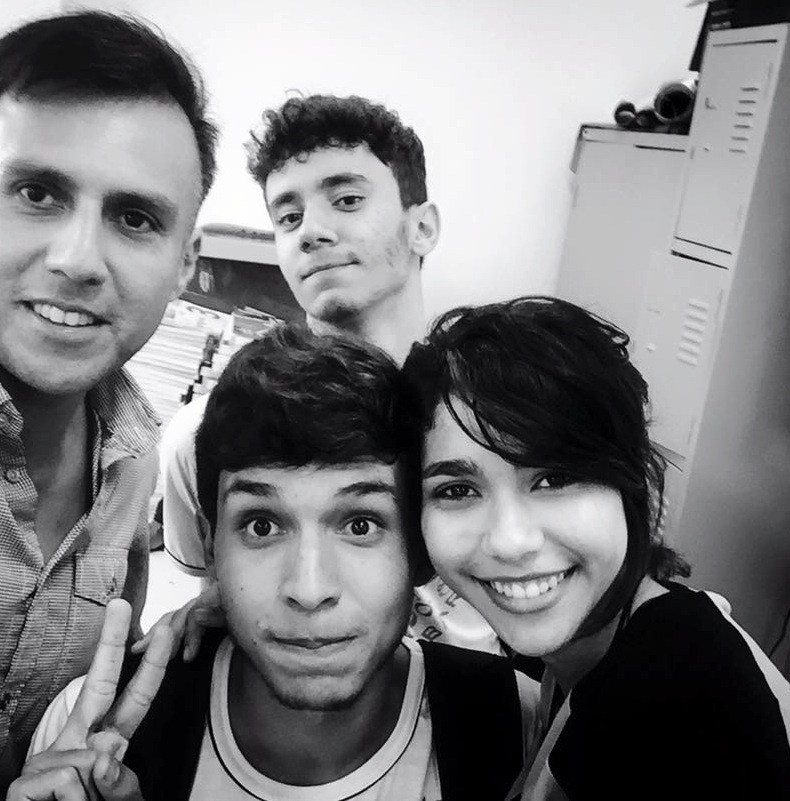
For several of the periods extra students joined Wheber’s students—as word got around that today would be our last day at the school.

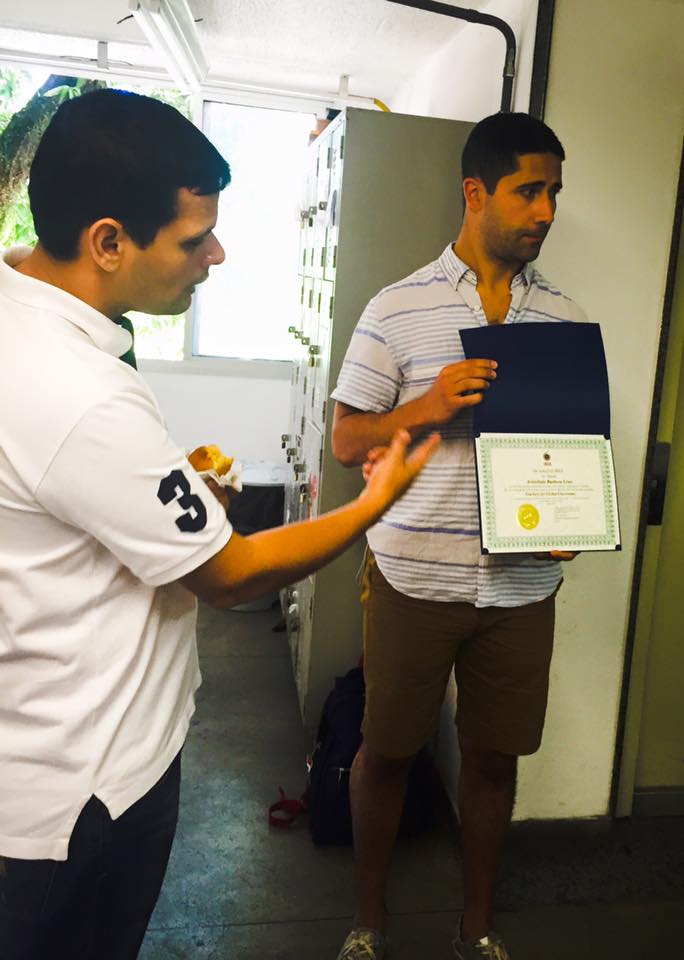
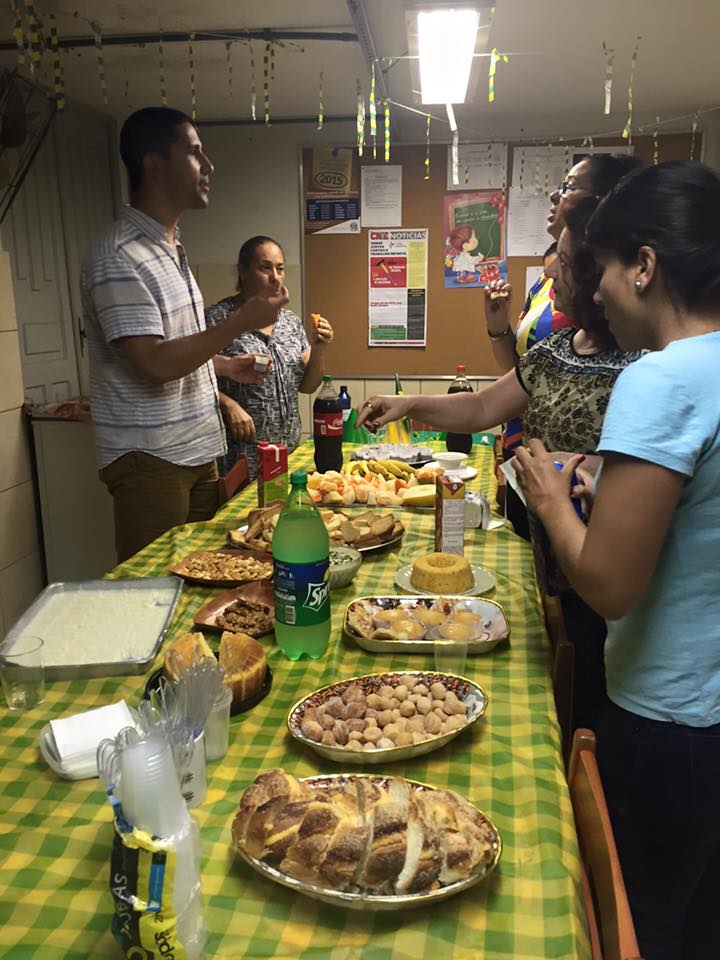
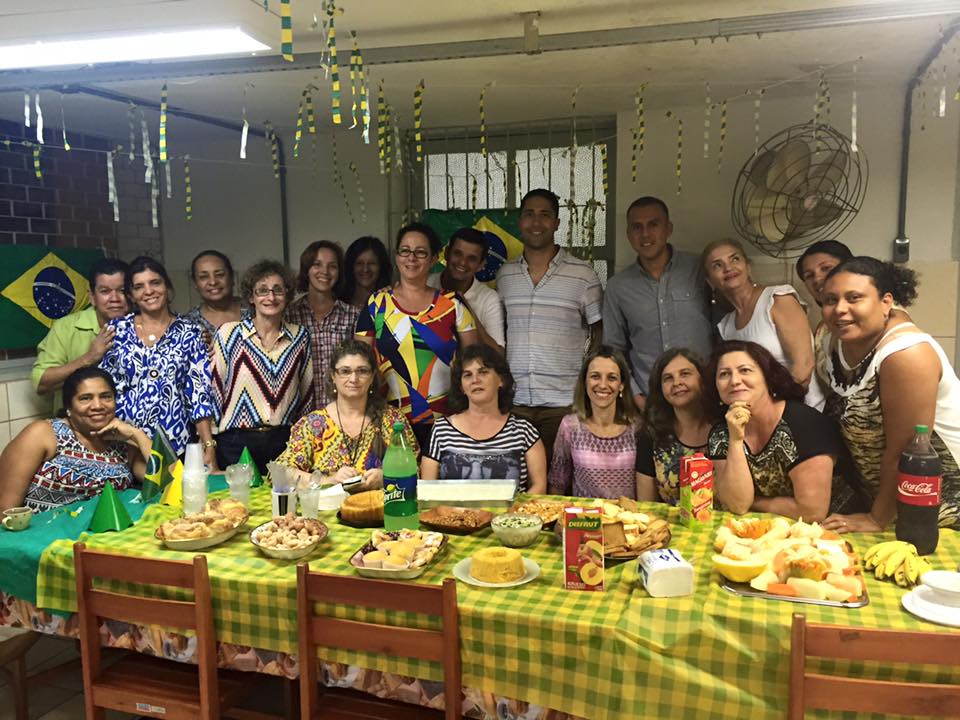
Two days this week [Monday and Wednesday] we helped a former student, Ramon, begin an English conversation club during the students’ break time. Ramon, very fluent in English, has taken it upon himself to begin this club. Roughly 30-50 students showed up both days, and Adrian and I practiced basic conversation with these students. We did whole group activities, as well as one on one conversations in English. Some of the students struggled with the one on one English conversation sessions, while many others were quite adept with their English oral skills.
Quarta-Feira na Serra / Brazilian Schools
June 19, 2015

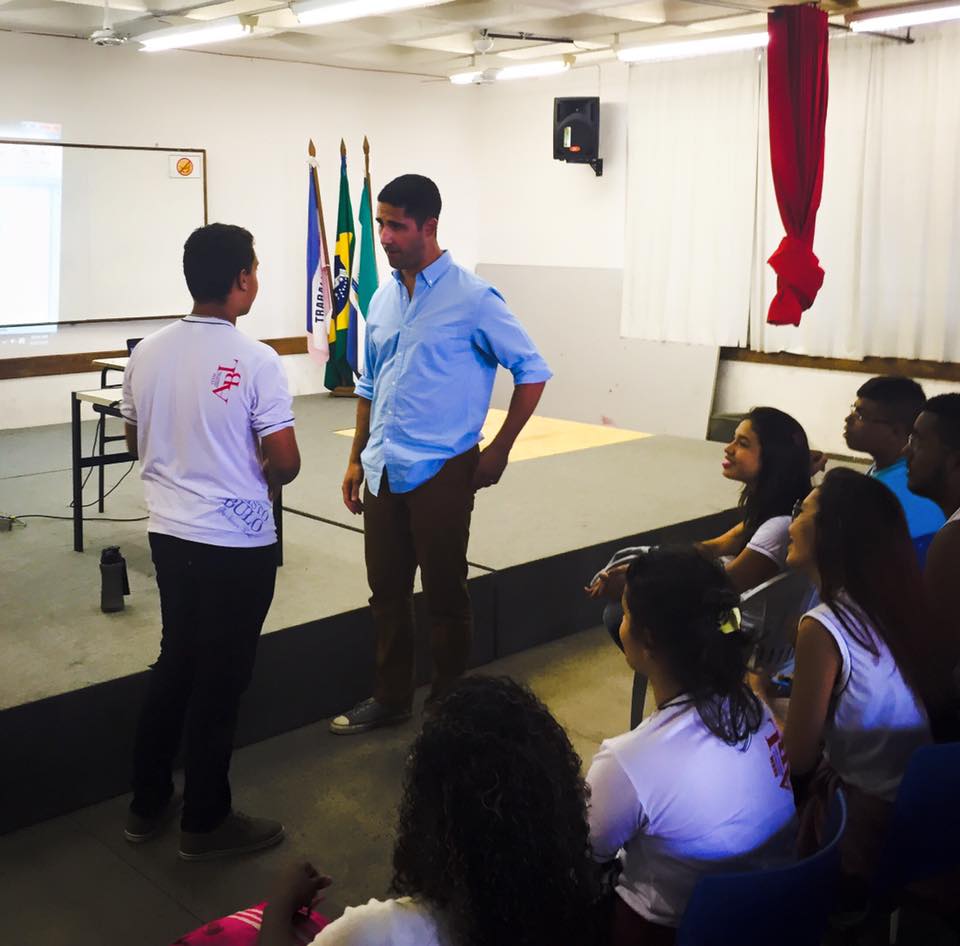
For the past two months, Wheber’s class and students have been the focus of a PhD candidate’s research. She has observed Wheber teach on several occasions, and last week she had a small group of his students complete a written survey. Her focus is on English language acquisition and literacy, student engagement, and the Brazilian educational system. Today, the PhD candidate visited again, and Adrian and I were able to sit in and participate on their discussion and refle
ction. According to the student surveys, many of the students value education and understand it’s importance in creating a responsible citizenry. Nevertheless, the survey also suggests that many of Wheber’s students see the school as disorganized. They tend to think that students are able to get away with breaking rules [ditching school, for example], with little or no repercussions. Finally, the student surveys suggest that many of Wheber’s students are disengaged from the educational system and process. While they state that understand the value of an education for reaching certain goals and becoming a productive member of society, their actions do not match this understanding.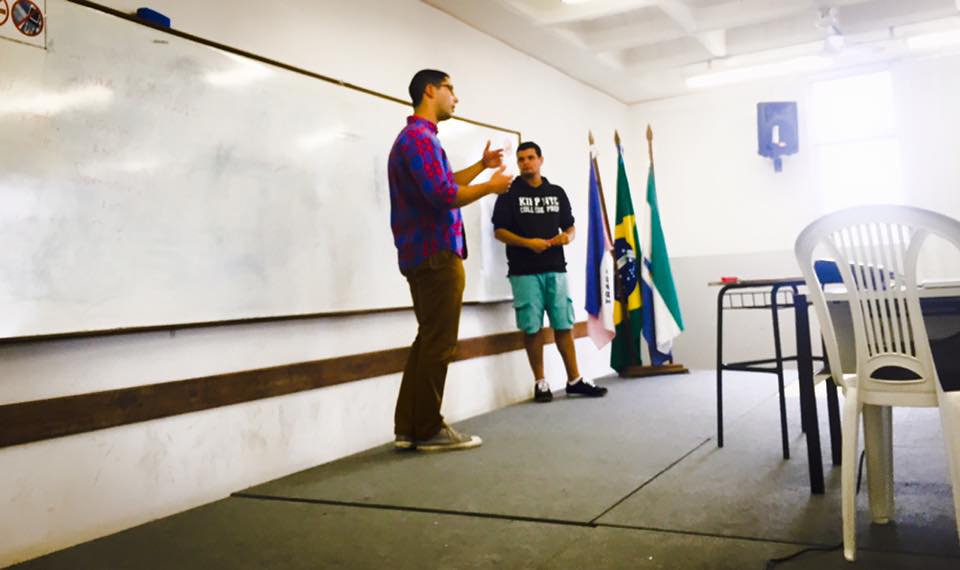
We also discussed the role of a Principal in a public school. In Brazil, public school administrators are frequently appointed by the Ministry of Education. These administrators, it turns out, have very little education or training in school administration. These administrators, and former teachers, might take a couple of courses that last less than three months in preparation for their new role. This is in start contrast to the United States. In the U.S., most public school administrators receive their Masters in school management [an M.A. in Educational Leadership and Policy Studies, for example. Moreover, many administrators first venture into school management by taking on an out of classroom position [Title 1 Coordinator, for example]. In Brazil, this is not the case. These former teachers are thrown into their new role with little or no training—and frequently have little knowledge and/or experience with school laws, finance, community engagement, developing school culture and systems, etc. These are all areas of study that prospective public school administrators study in their school administration M.A. programs. The student surveys, then, perhaps reflect this lack of effective school management on the part of public school administrators in Brazil—especially in larger high schools in working class communities. Such a school faces less parental support, high-risk students, and minimal government funding. These extra challenges require school administrators skilled in a plethora of areas—and the lack of training for public school administrators in Brazil debilitates many of these schools. The four of us discussed other educational matters vis-à-vis public education in Brazil versus the United States. Salaries, on the whole, tend to be somewhat higher in the United States. Some Brazilian teachers, in fact, teach three sessions per day. In essence, such teachers work from 7am to 10pm. [Note: Morning sessions typically run from 7am-11:30/noon. Afternoon Sessions typically run from 1-6pm. Evening sessions typically run from 6-10pm] These teachers are clearly overworked. In contrast, most American teachers are assigned to one school site—and typical work hours are from 8am to 3pm. Granted, many American teachers were longer hours, but these extra hours are dedicated to lesson planning, curriculum development, grading student work, etc.
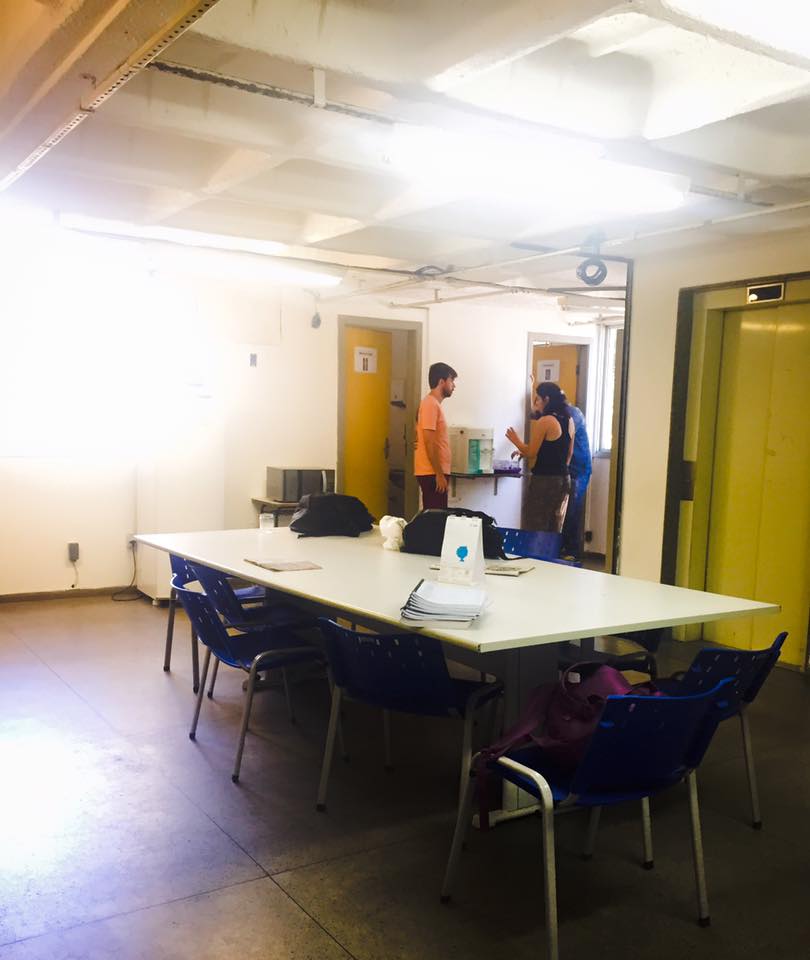
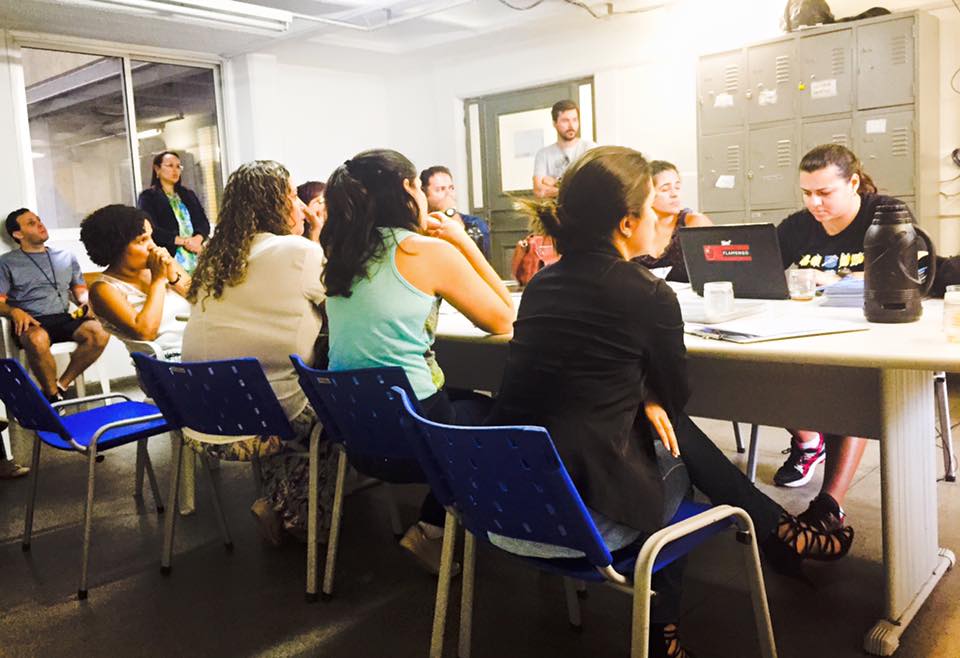
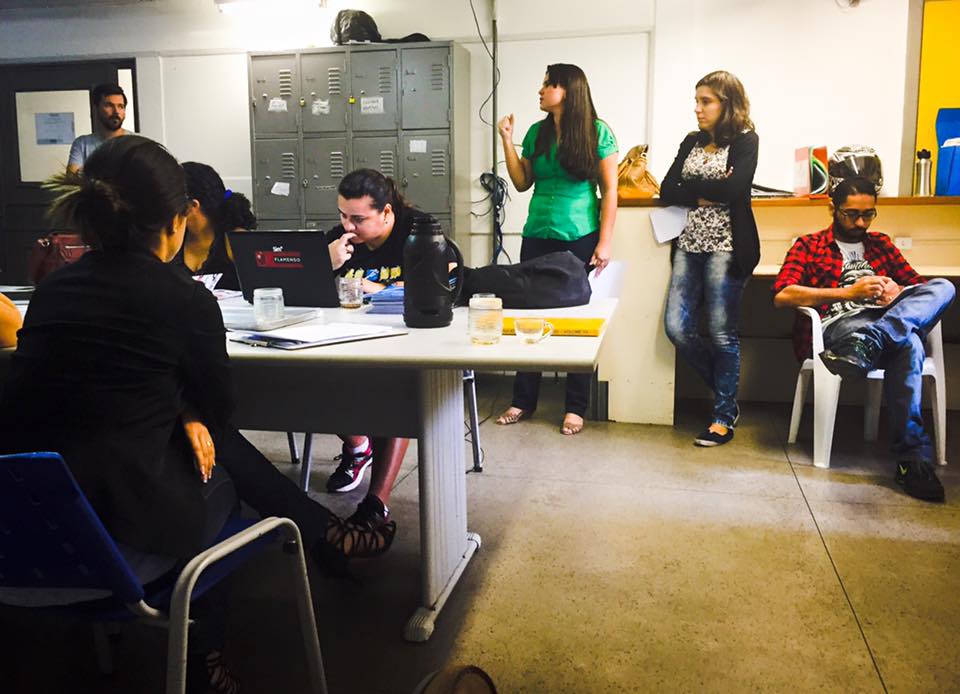
Moreover, some Brazilian teachers struggle with creating a positive classroom environment because they, most often than not, share their classroom with two other teachers. The morning session teacher, for example, must share the same classroom with the afternoon session teacher, as well as the evening session teacher. This situation is in stark contrast to most public school teachers in the United States. U.S. public school teachers generally have their own classroom the entire year—and they do not share their classroom with other teachers.
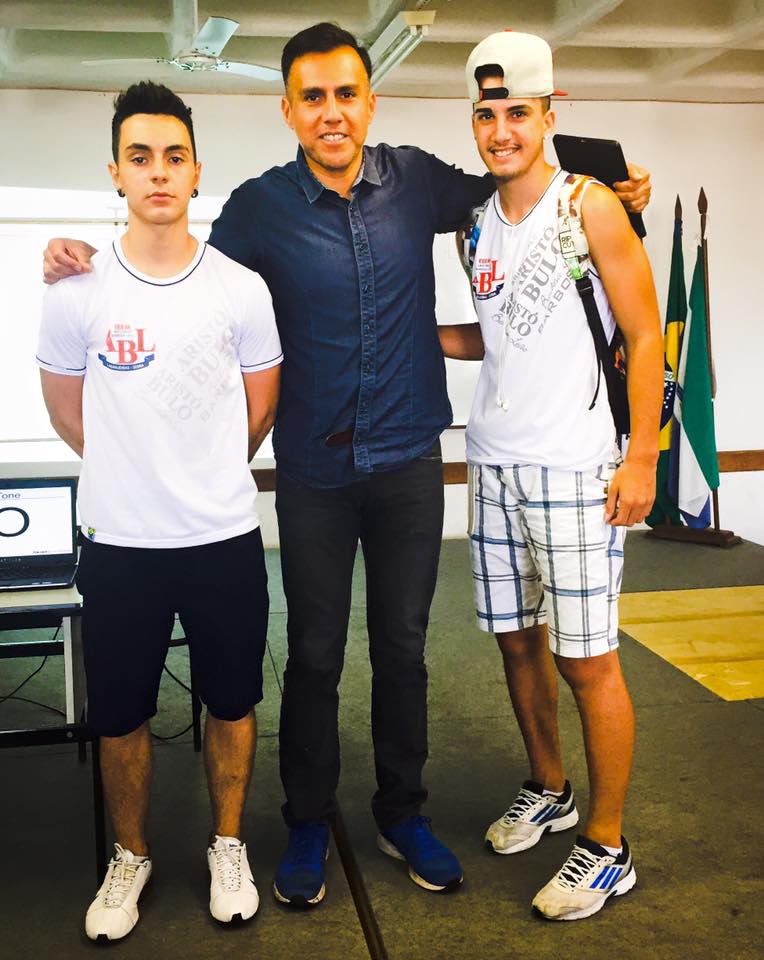
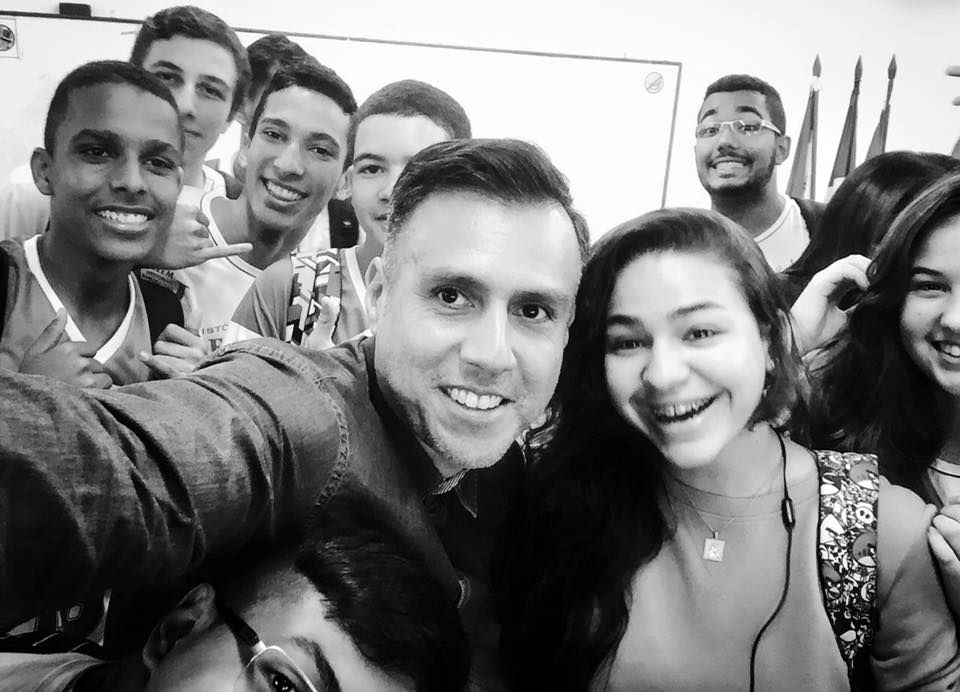
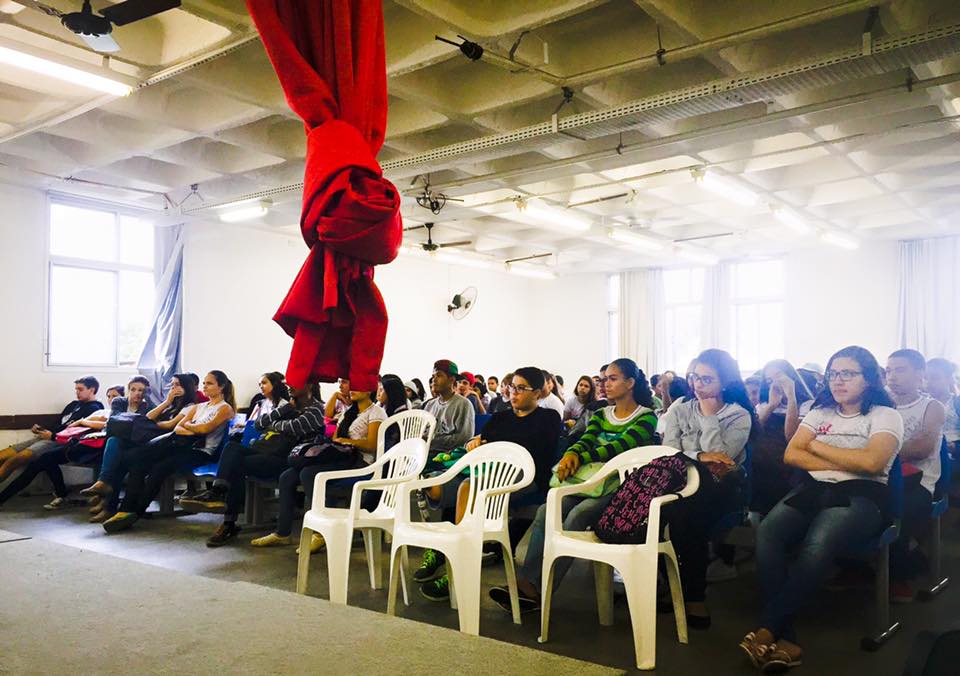
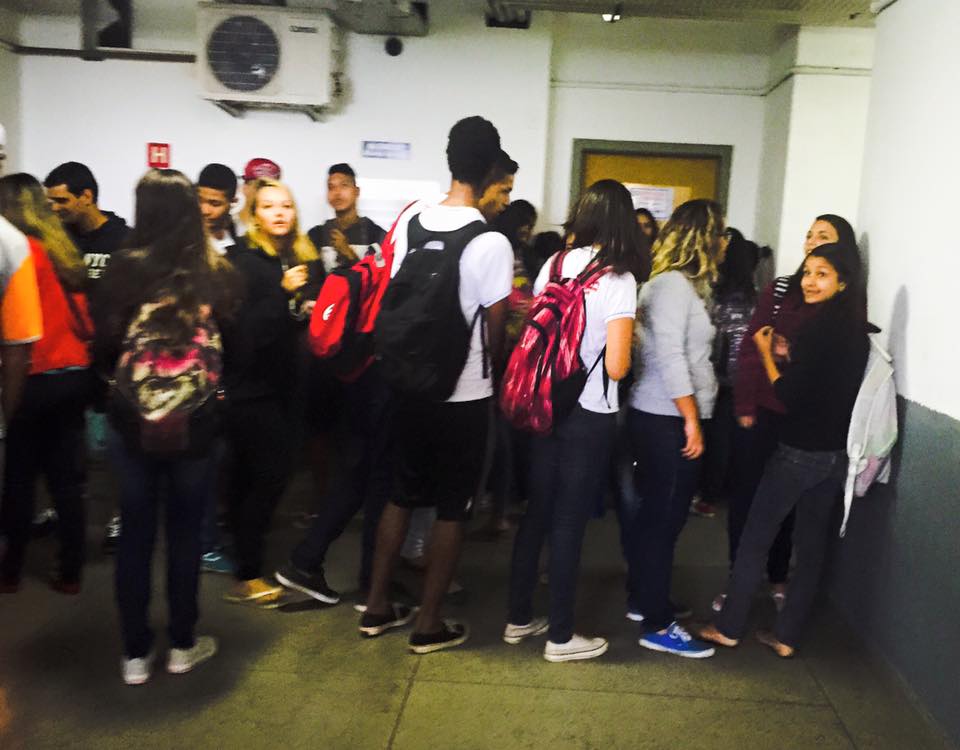
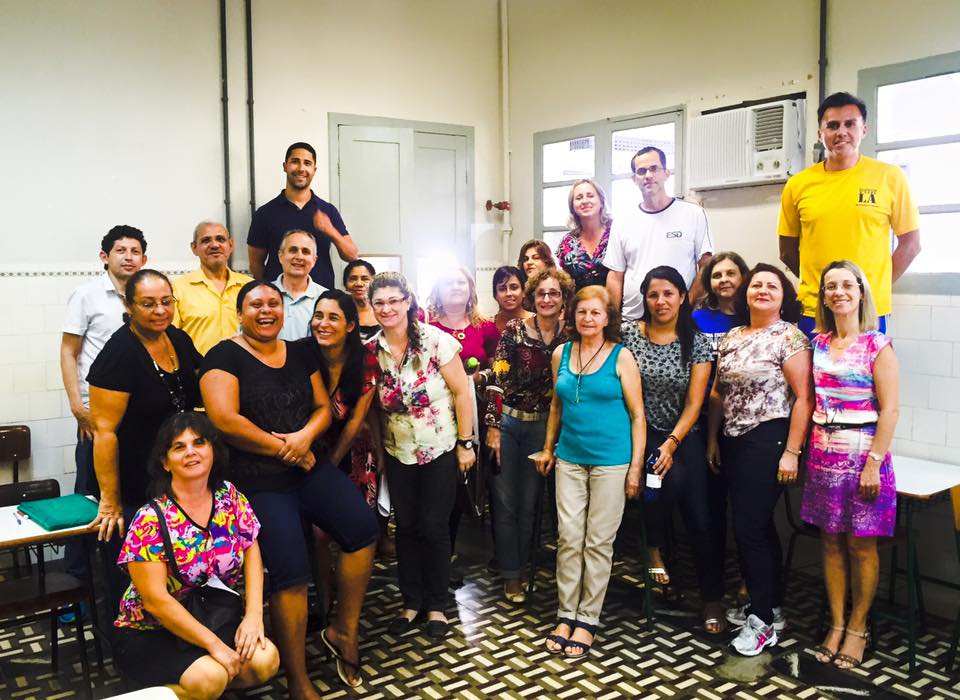
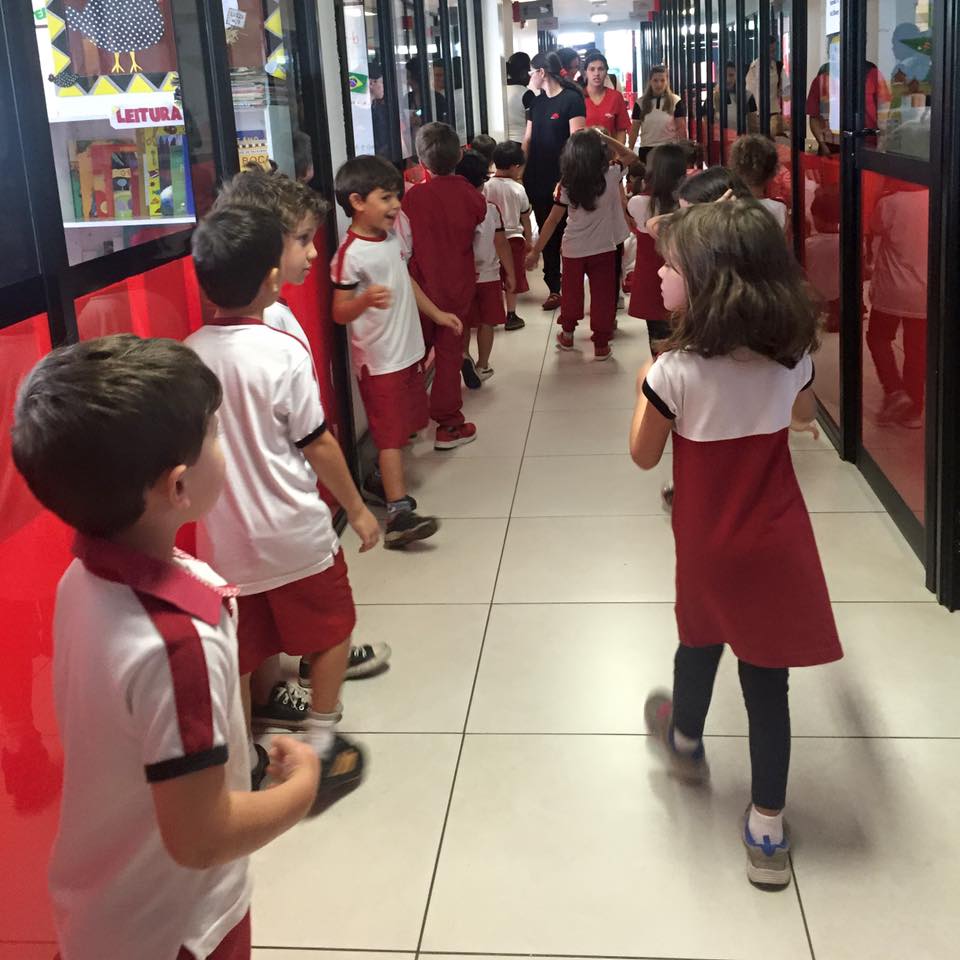
Adrian and I have met many Brazilian students this week. They have all been so very welcoming and gracious. For most, we are the first Americans they have met. In contrast to their wealthier counterparts at the private school in Brasilia, these students have not traveled outside of Brazil. Their knowledge and experience with the U.S. is informed by their exposure to American film and television. As such, the students at our host school were extremely curious as well. They loved asking questions. They wanted to shake our hands. Many hugged us. They snapped photos with us. They wanted to engage in conversations with us—even if it was with their limited English. This, without a doubt, has been the most gratifying and special part of this experience.
Everyday is like Monday
June 17, 2015
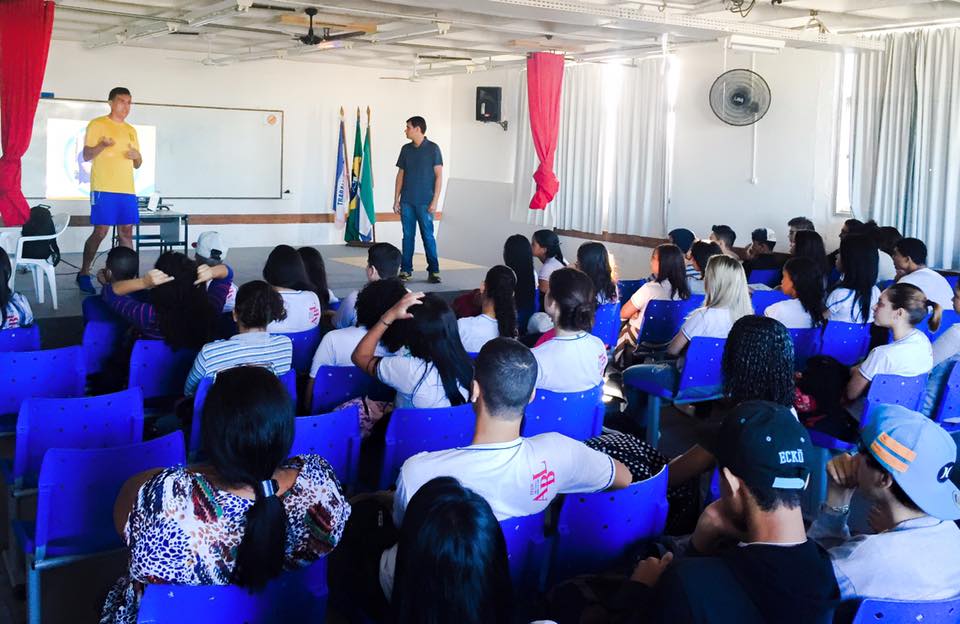
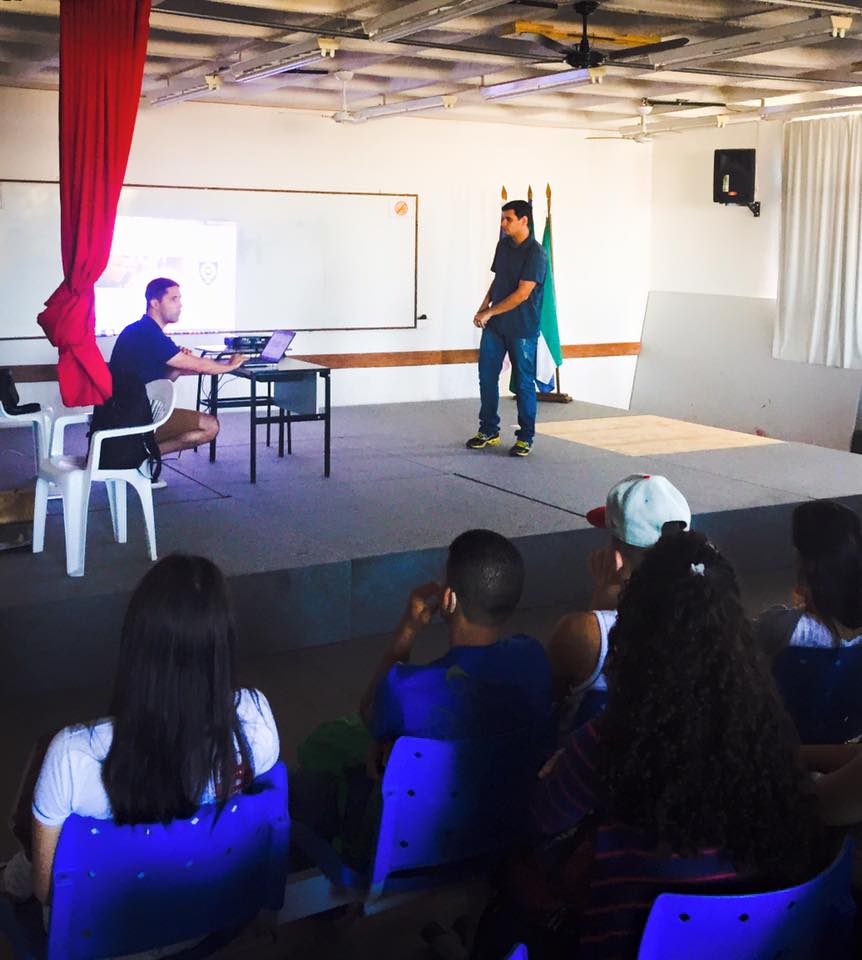
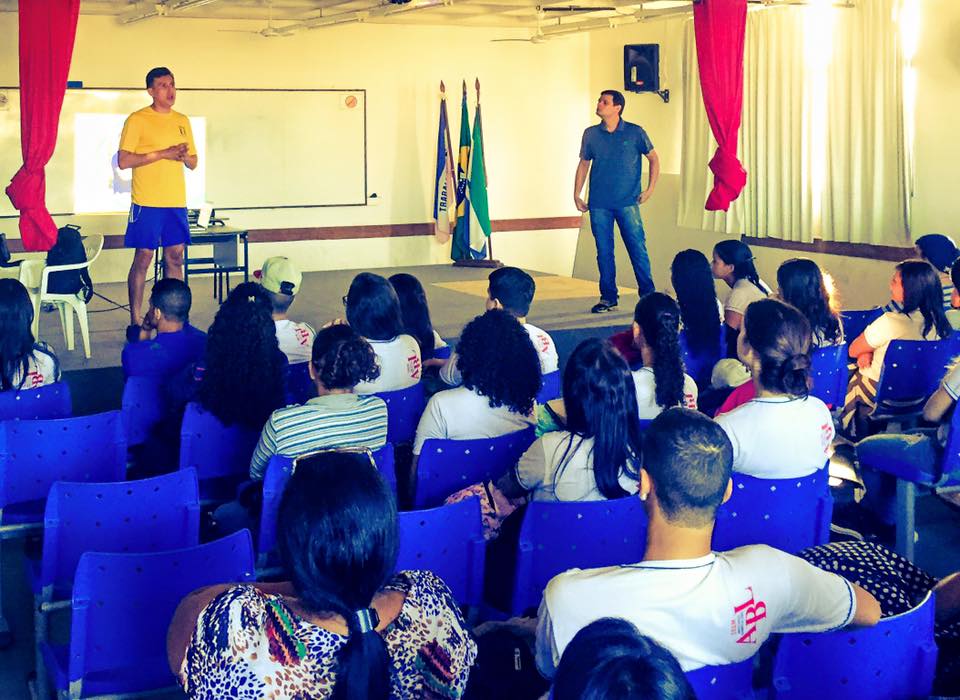
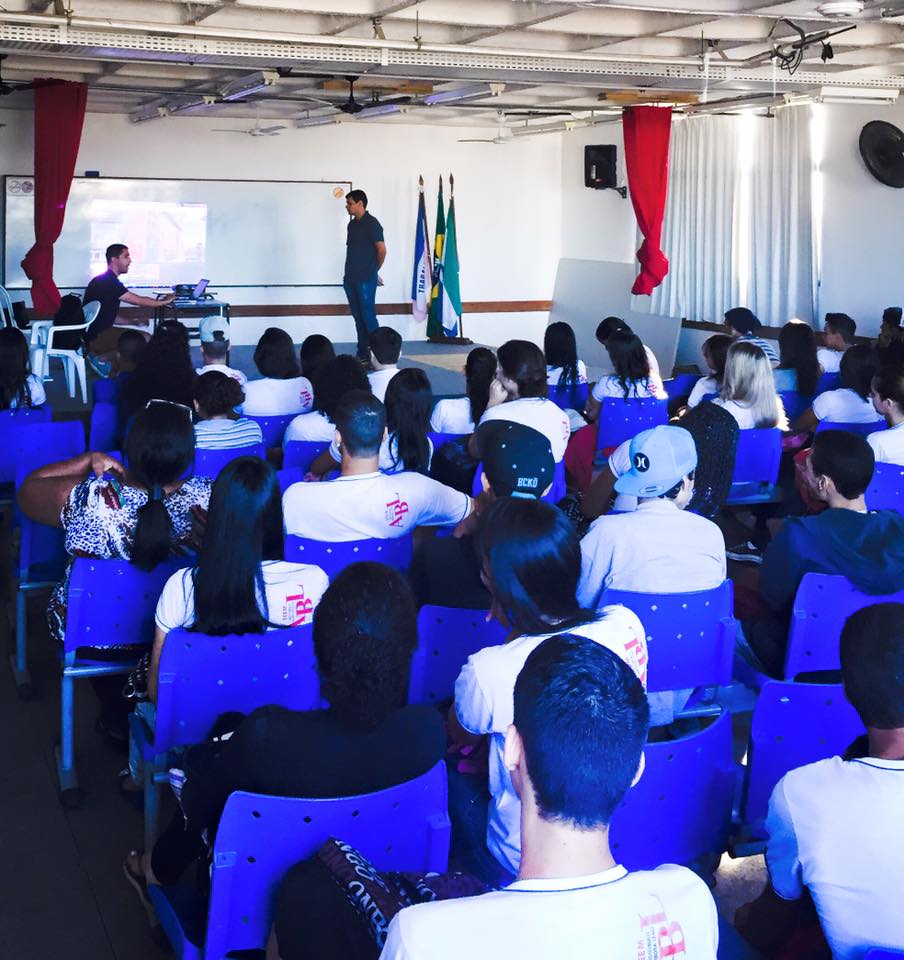
Today, Monday [06/15], we did several presentations with multiple classes in the auditorium. Once again, our presentations focused on the American educational system. We also did a one hour English conversation activity with one period of students. The students were all very active participants in both the presentations and the English conversation activity. One thing that stood out, though, is the inability of most of these students to express themselves orally in English. While they may have studied English for more than one year, they are generally more competent in reading and writing and less competent in their oral language skills. One of the primary reasons for this is the lack of English teachers in Brazil that are fluent in the language. In this season, the ILEP program plays an instrumental role in developing the fluency of Brazilian English teachers—and thus Brazilian students.
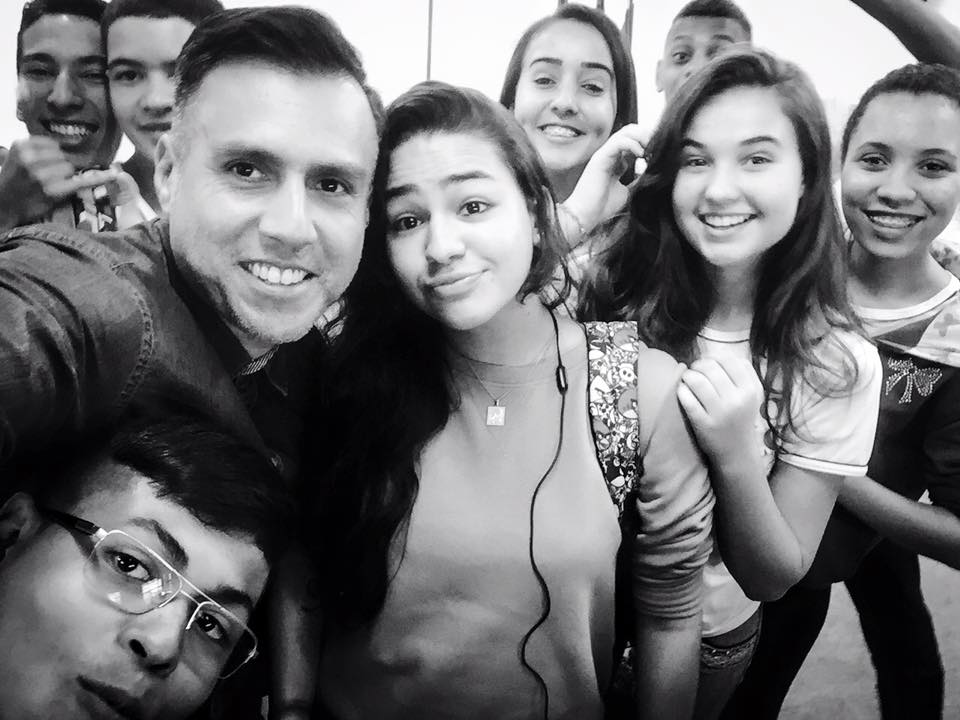
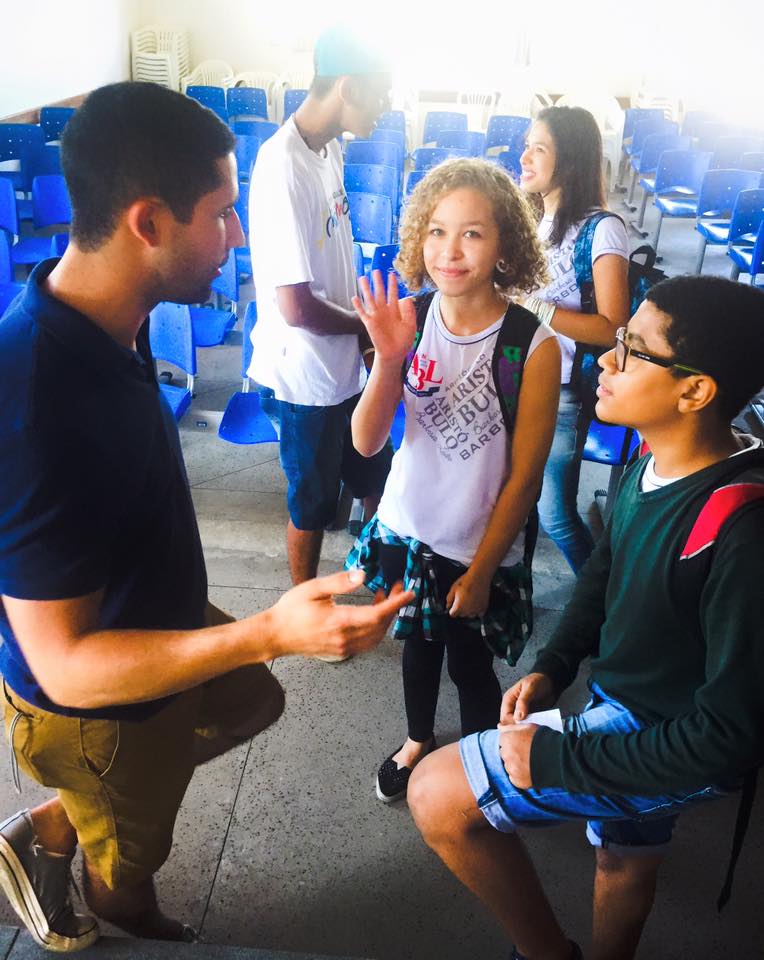
The afternoon session included a lively roundtable discussion on educational policy, curriculum, teacher pay and responsibilities, etc. More than 20 Brazilian teachers were a part of the roundtable discussion, and our host teacher, Wheber, translated for Adrian and I. The Brazilian teachers had myriad questions for Adrian and I. They seemed thoroughly engaged in the roundtable discussion—and they were genuinely interested in learning about the American educational system.
General Observations:
The Brazilian educational system varies greatly—just as the American educational system varies by state—as well as community to community. Schools in poorer neighborhoods tend to have less resources, while schools in wealthier neighborhoods tend to have more resources. In Serra, as in other parts of Brazil, the best schools tend to be private schools.
Teacher Unions possess a great amount of power in Brazil. On the whole, they are very protective of their current status as civil servants, and they resist greatly any changes that might reduce their benefits or increase their workload. This is partly the result of somewhat lower salaries for teachers in the Brazilian public education system.
A concern or question that arose several times over the past week has been the issue of violence directed at teachers from students. It appears that this is somewhat common in Brazil—at least in the more working class communities and schools. Adrian and I explained that this is generally not an issue public school teachers face in the United States.
Brazilian students have asked us to address, on multiple occasions, the issue of racism and segregation in the United States. Their perception of these issues [primarily fueled by popular television and film, as well as news media stories] tends to be somewhat exaggerated. Their perception of the United States is one of deep, systematic segregation based on race. We explained that while the United States continues to deal with issues of race and discrimination, American society on the whole has progressed greatly in the past half a century. Students also brought up the issue of police brutality, and this provided for an even greater, more complex discussion on issues of race and class—both in the United States and Brazil.
Brazilian high schools tend to not have the extensive extracurricular activities, clubs, and sports programs that many comprehensive American high schools possess. Naturally, Brazilian schools provide a space for social interaction, but one will not encounter the plethora of activities and programs that many Americans are familiar with in our secondary school system.
Up to this point, I have thoroughly enjoyed my interaction with Brazilian students and faculty members. The students, in particular, are kind, curious, and extremely welcoming.
More Observations–Outside of the classroom
There exist a racial divide in Brazil, but it is rooted in the disparate economic inequalities that permeate Brazilian society. On the whole, Brazilian society is quite mixed. It is common [and perhaps the norm] to see mixed race families and communities in most of Brazil. Only when one enters an upper middle class establishment, environment or community does one see the racial divide. Today, for example, we had lunch in an upper middle class neighborhood of Vitoria. The great majority of the diners were clearly of European origin—there were few, if any, obviously mixed race or black Brazilians. This racial divide was also evident at the private school we visited in Brasilia. On many levels, this is especially striking for a foreigner or non-Brazilian [such as myself] because a huge part of Brazil is in fact mixed-race and/or of African origin.
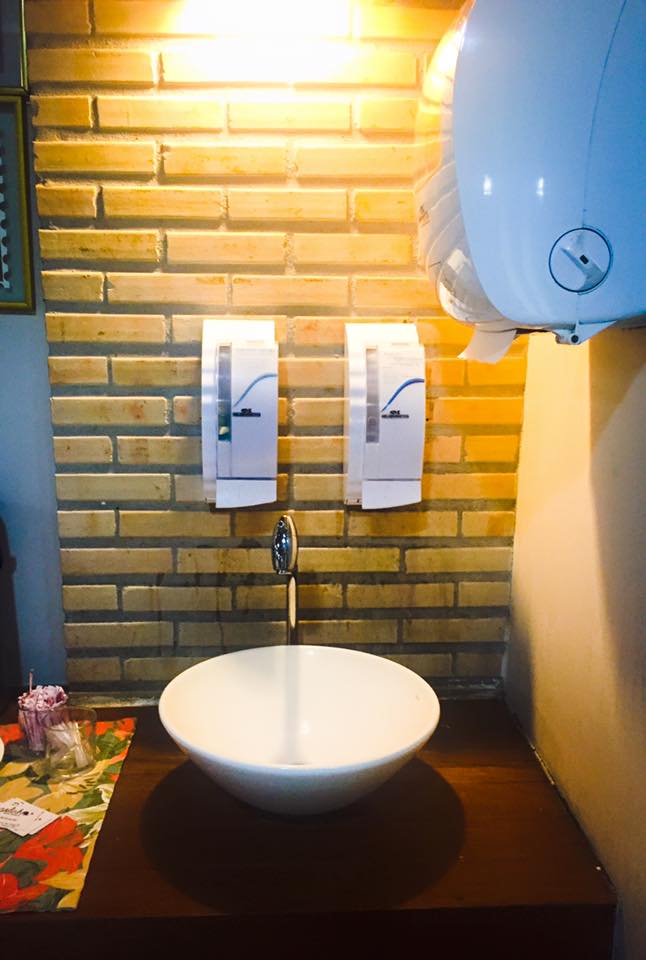
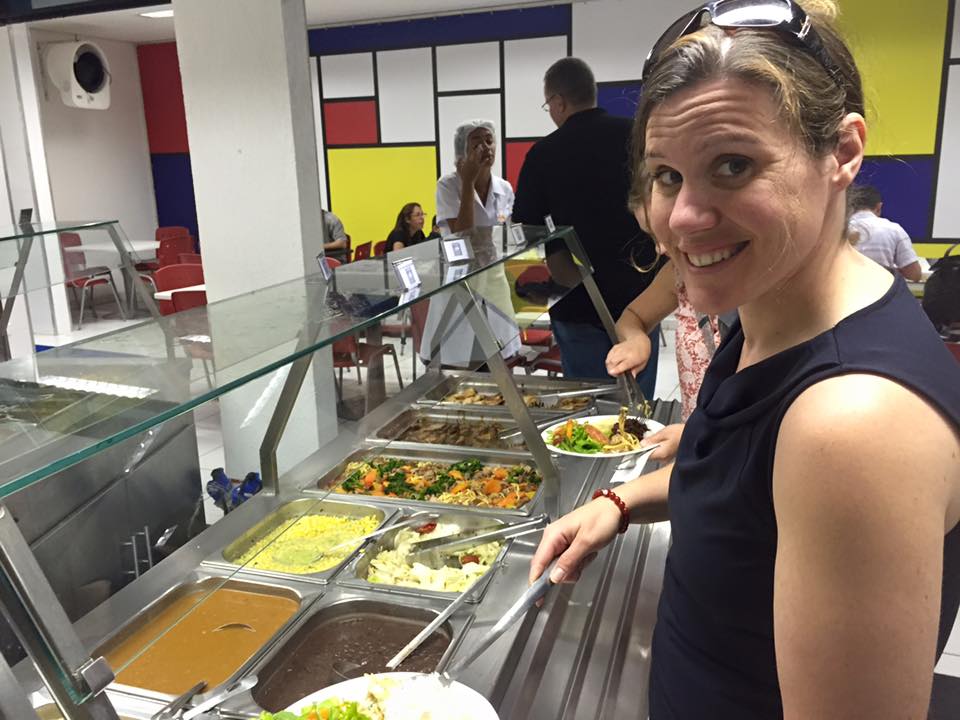
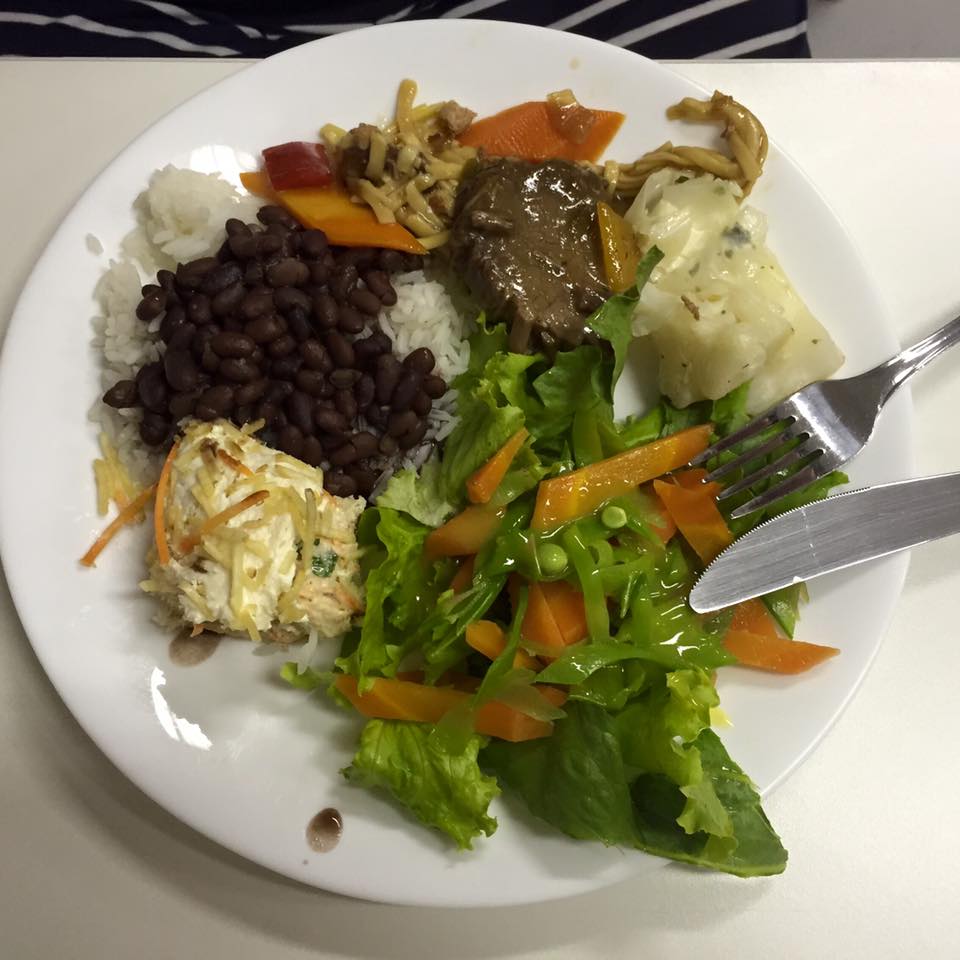
Brazilians love buffets. [And malls!] In contrast to the United States, though, one pays for one’s food at a Brazilian buffet by the weight. After serving oneself, the diner takes one’s plate to a scale, and one’s plate is weighted and recorded. After seating oneself, a server will then come to one’s table to take one’s drink order, and the drinks are then added to one’s tab. Tips are much more rare in Brazilian establishments. In the more high end restaurants—a 10% tip might already be included in the final tab. Oh, and many Brazilian restaurants in this region have a sink, soap, and paper towels available at the very entrance of the restaurant. The sink [washing hand station] is literally the first thing one see’s as one enters the establishment. This gives each customer the opportunity to clean their hands prior to handling their food. This washing hand station is separate from the restroom facilities. According to surveys, Brazilians take more showers than most other peoples of other nations. On average, Brazilians take two showers per day.
Adventure Time in Espiritu Santo
June 14, 2015
We finally experienced a full day in the great outdoors—and it was glorious. We began our day quite early, as our destination was 120 kilometers away [a two hour drive without stops]. Our first stop was the beautiful town of Domingo Martins.
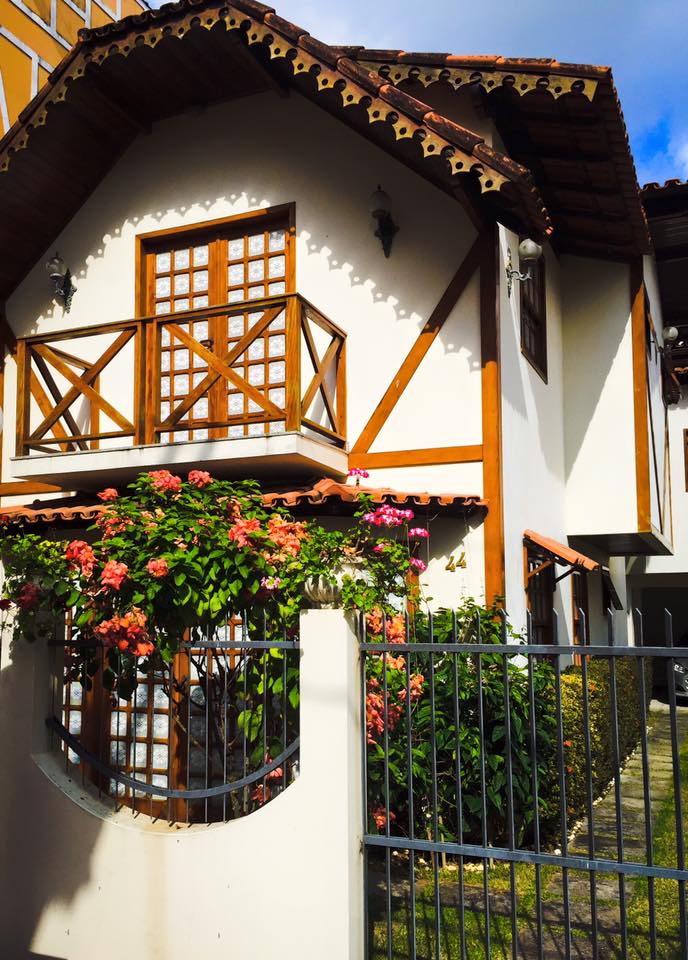
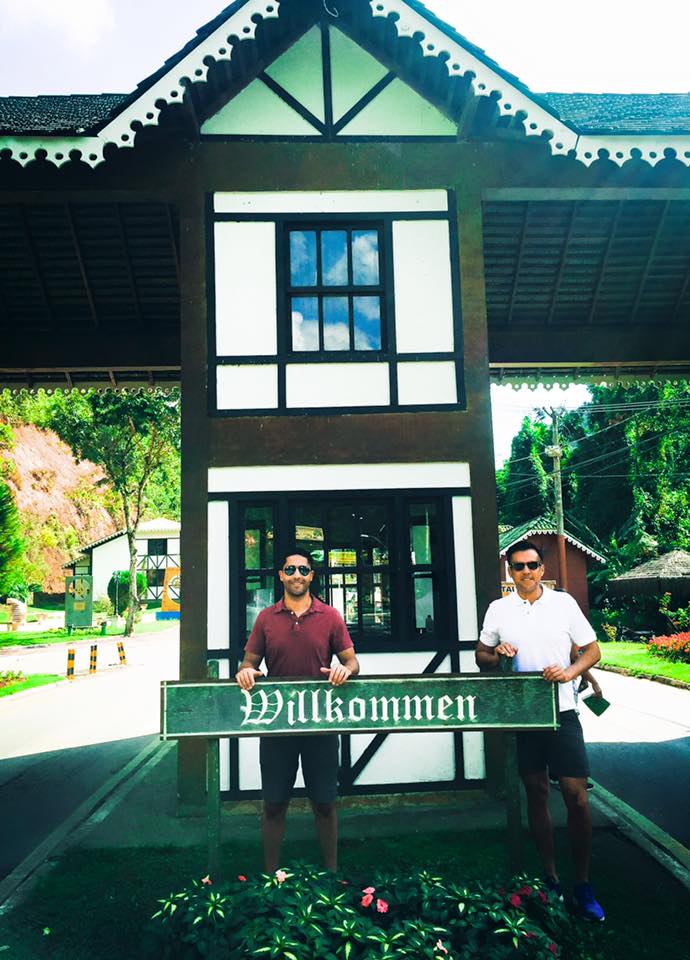
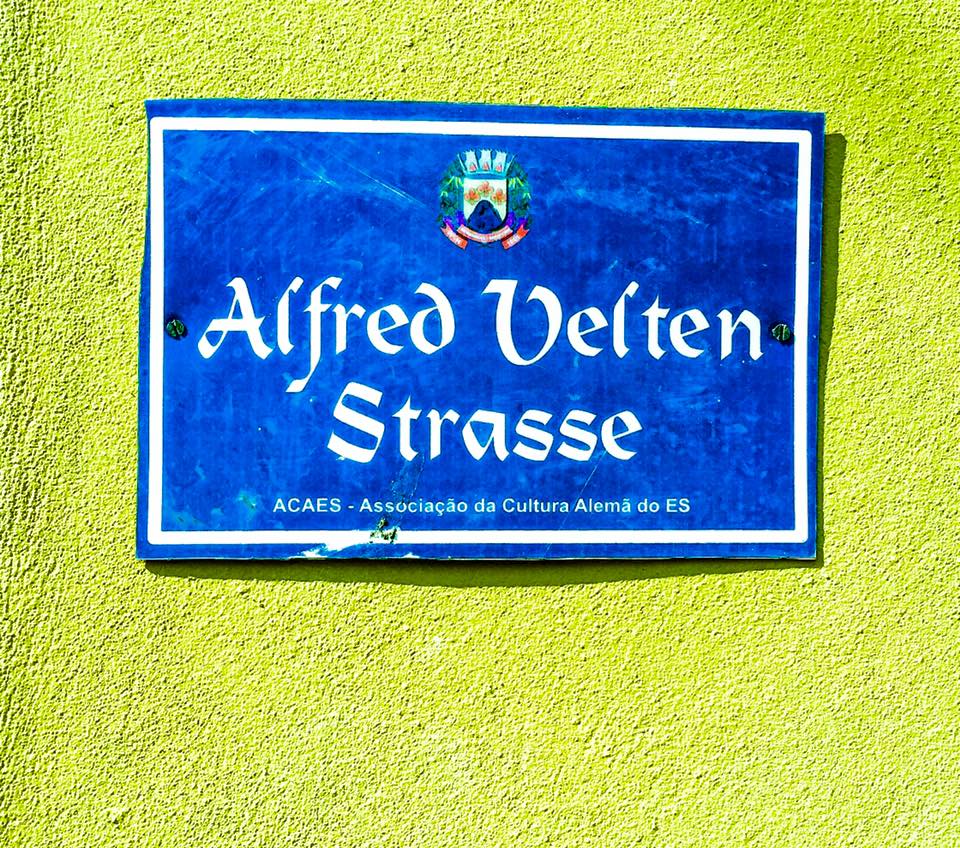
The interior of Espiritu Santo was settled by European immigrants in the late 1800s—primarily German, Austrian, Portuguese, and Italian immigrants. Throughout this region, then, one will find communities greatly influenced by these peoples and cultures. Our first stop was the beautiful town of Domingo Martins—a small town settled by German immigrants in the 1880s. Today, German culture, architecture, food, language, and peoples continue to thrive in this small community. Most street names possess German surnames, and the majority of businesses are still owned and operated by the descendents of these German immigrants. A beautiful German Lutheran Church occupies the town square, and one can find delicious German meals at some of the local restaurants. Many of the buildings were built in the style of a small German town circa the turn of the century. At first glance, one might think one’s been transported to Bavaria or Switzerland—as Domingo Martins is nestled in the very green hills and mountainous region of Espiritu Santo.
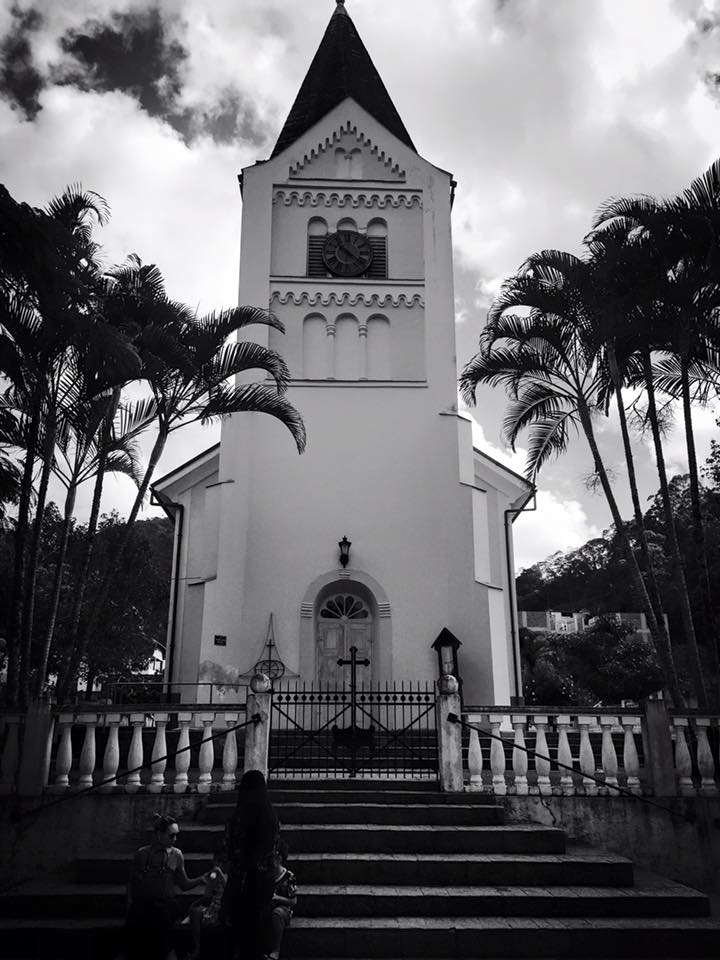
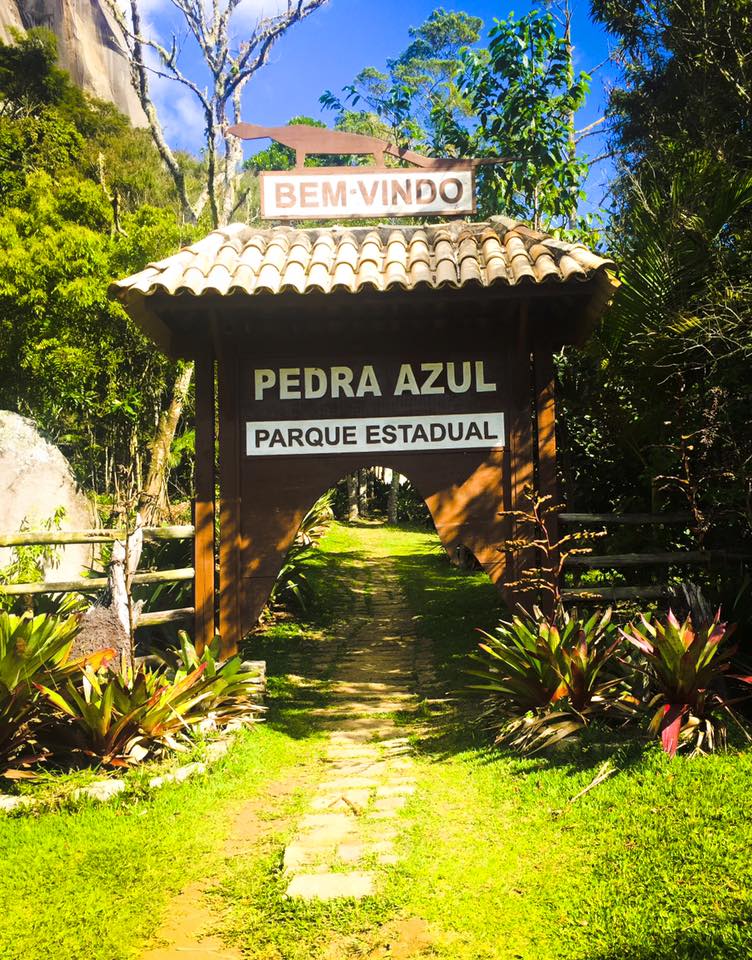
After our visit to Domingo Martins, we continued our trek towards our final destination—the Parque Estadual Pedra Azul [Blue Rock State Park]. But first, a delicious lunch in a very small, rural town near Domingo Martins. Don Lorenzoni Due, an Italian restaurant owned and operated by descendents of Italian immigrants, provided the perfect respite from what turned out to be a long day of adventure and travel. Our meal was impeccable—from the stuffed mushrooms to the Prime Rib and Gnocchi.

After our very satisfying lunch, we drove the last stretch to finally arrive at Pedra Azul. After a very extensive introduction to the history and flora and fauna of the park, we trekked up a part of the mountainous rock. There was even one part of our journey up the mountain in which we had to traverse—literally climb—a 45 degree angled rock that stretched for what seemed like nearly 10 stories. It would have been impossible to climb without the built in rope system.

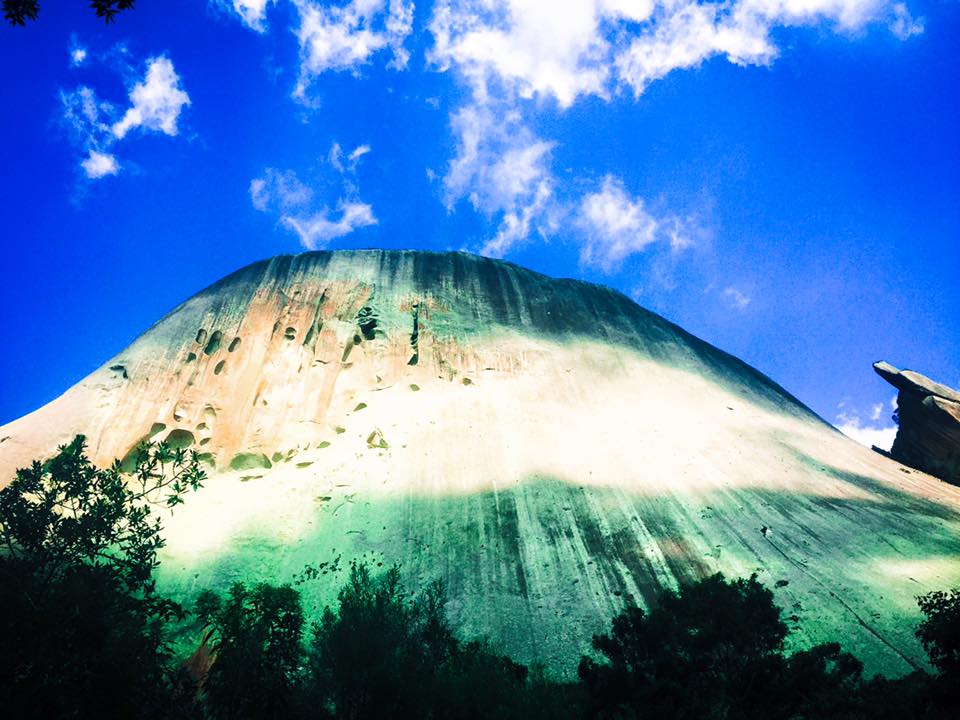
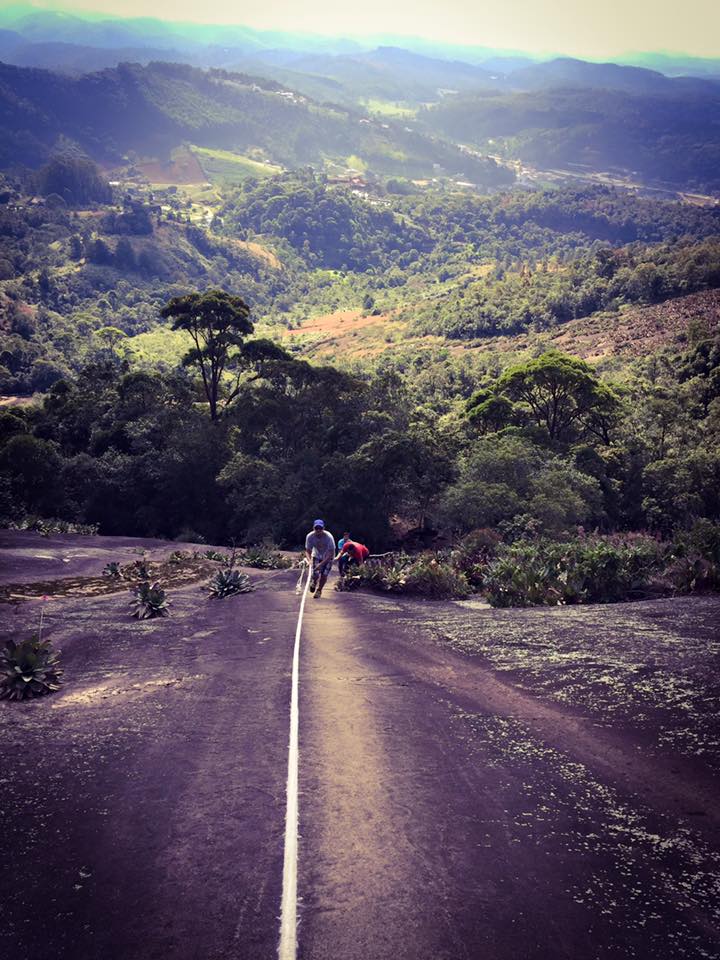
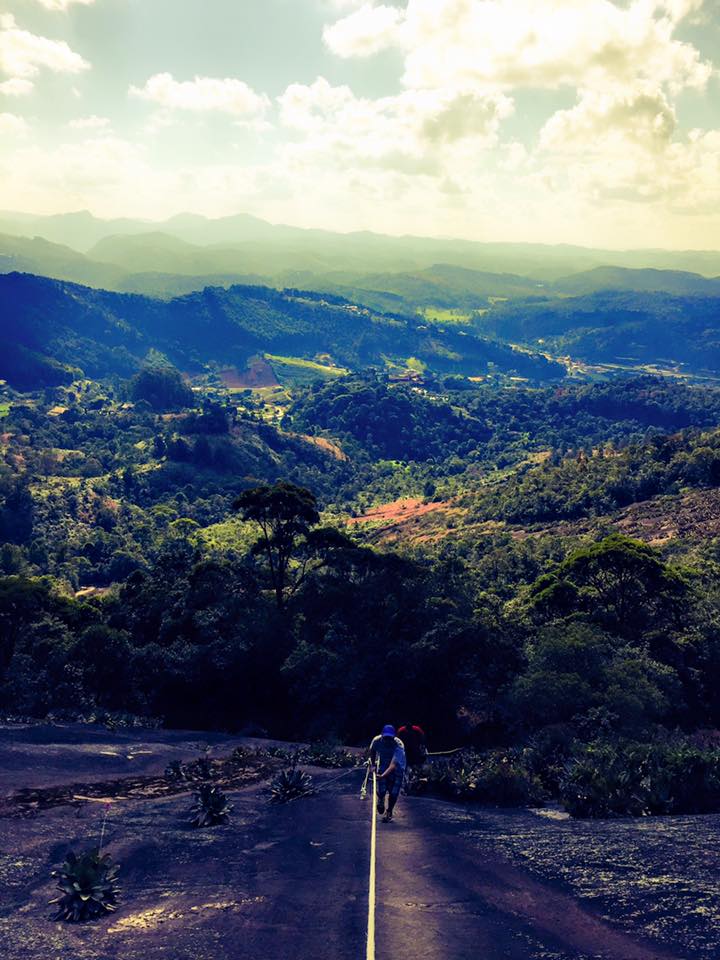
At the very top of our hike we discovered our prize—several glistening, natural pools of water. A few of us took this opportunity to jump in the pools—a refreshing choice.
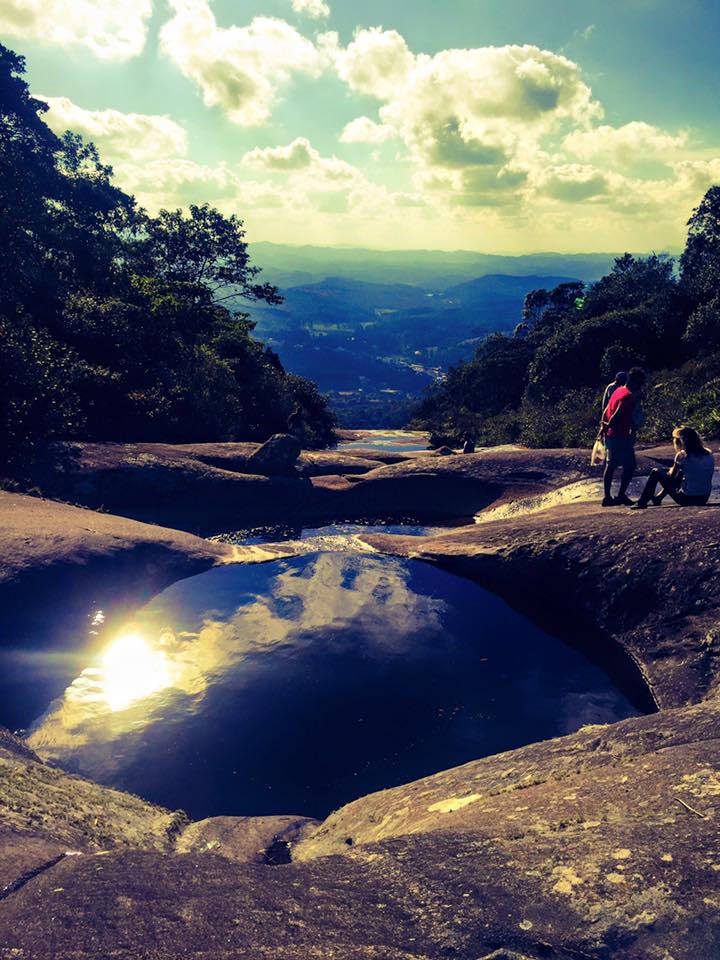
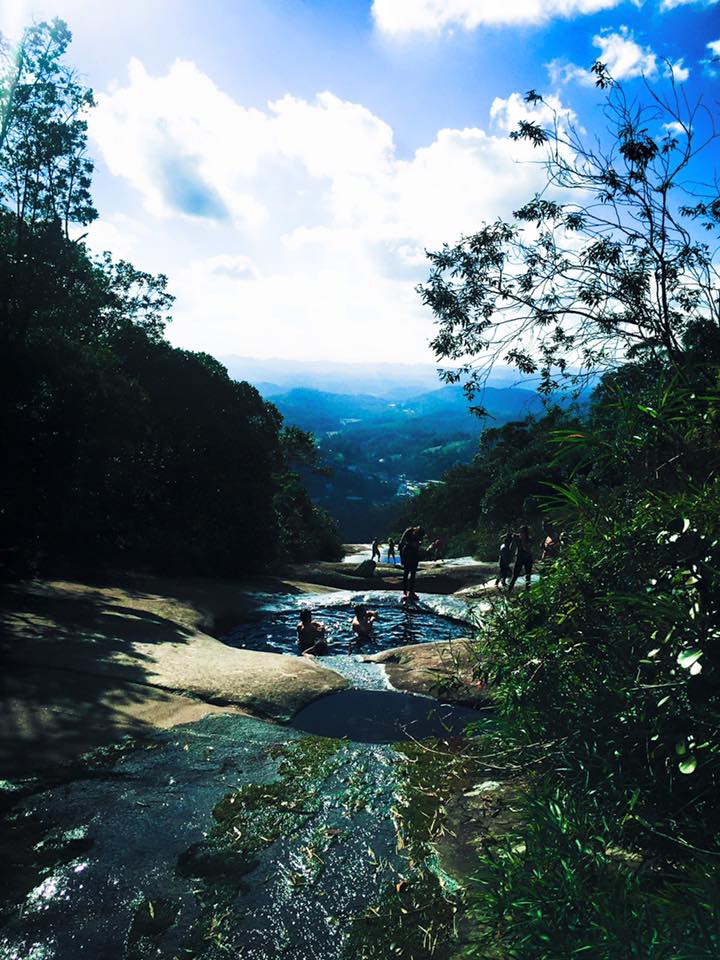
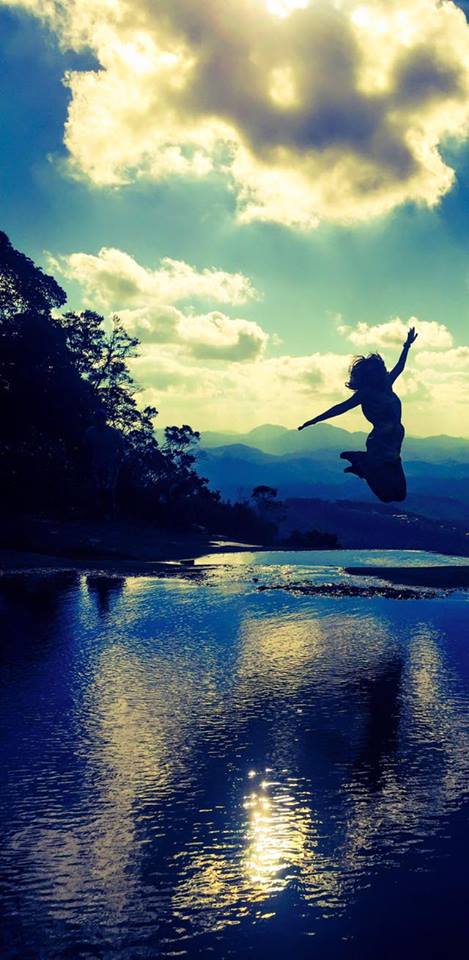
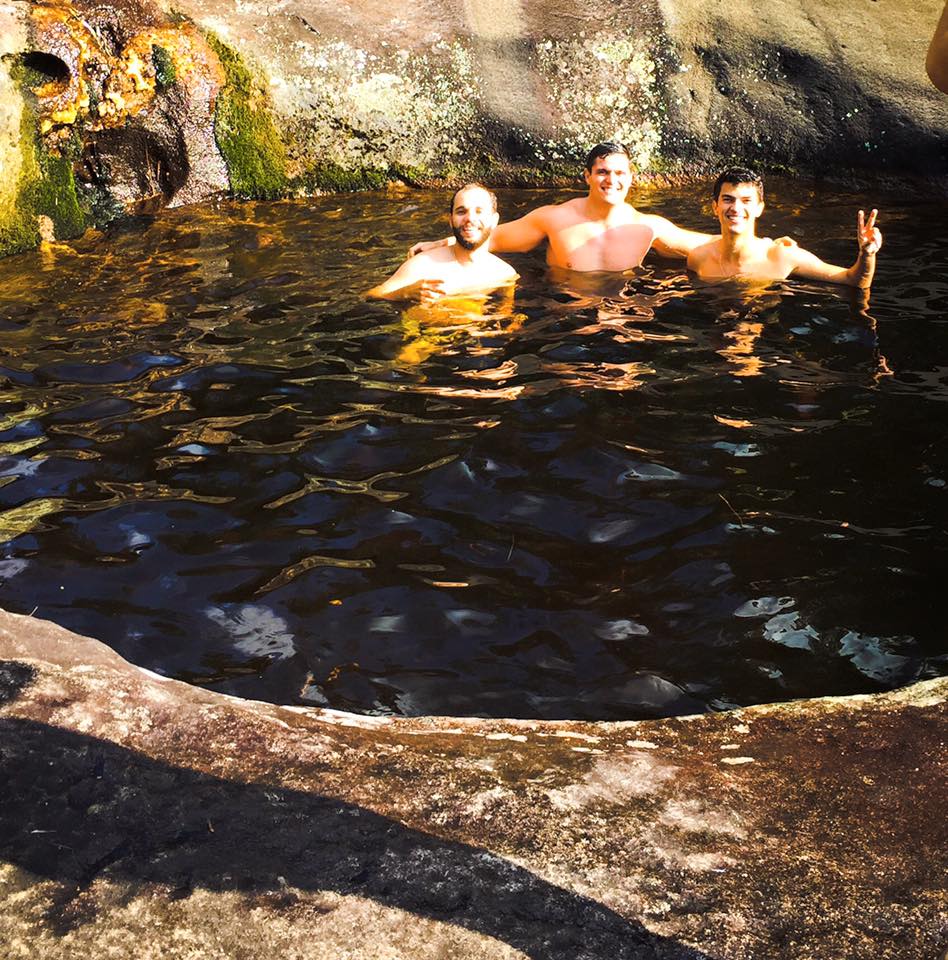
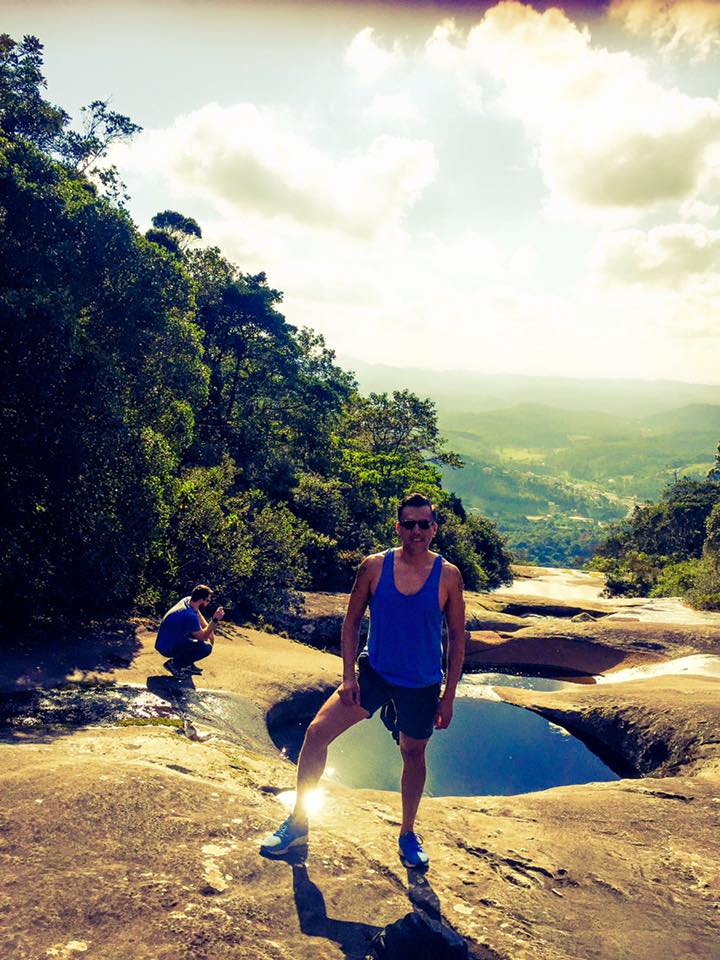
The views from this spot: priceless. It was a fantastic cap to our adventure day in Espiritu Santo.
Brave New World: Day 1 in Serra, Espiritu Santo
June 13, 2015
Wheber, our host teacher, picked us up from the Hotel at 6:55am. It turns out he carpools in the morning with his wife, who is a Biology teacher at a high school located directly across from the hotel. After meeting his wife, Beatriz, Adrian and I headed to Wheber’s high school, located roughly 10 minutes from the Hotel.
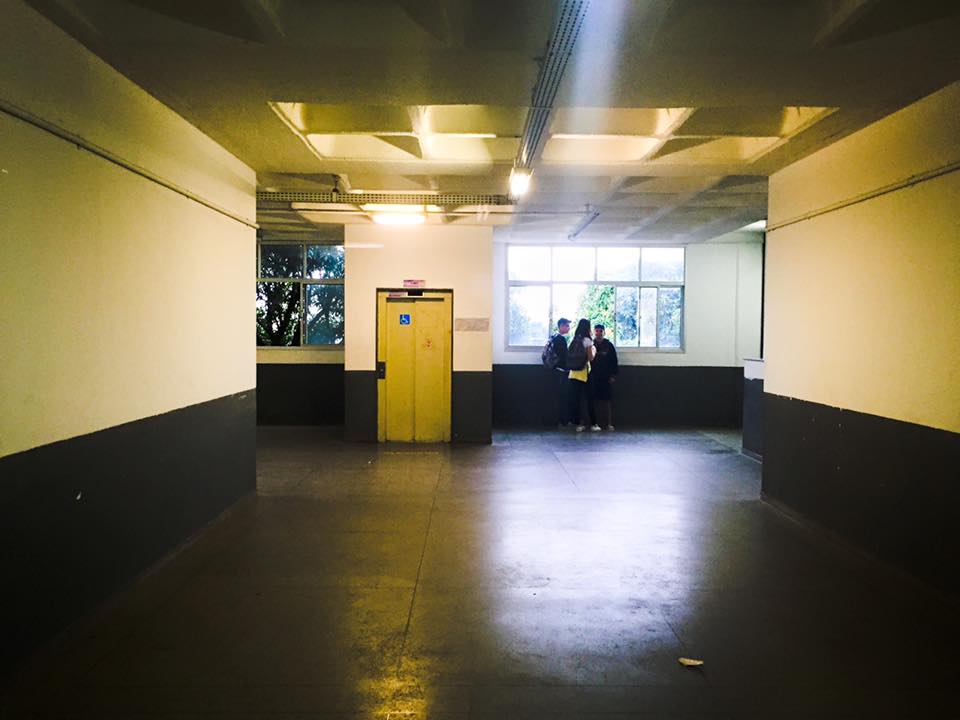
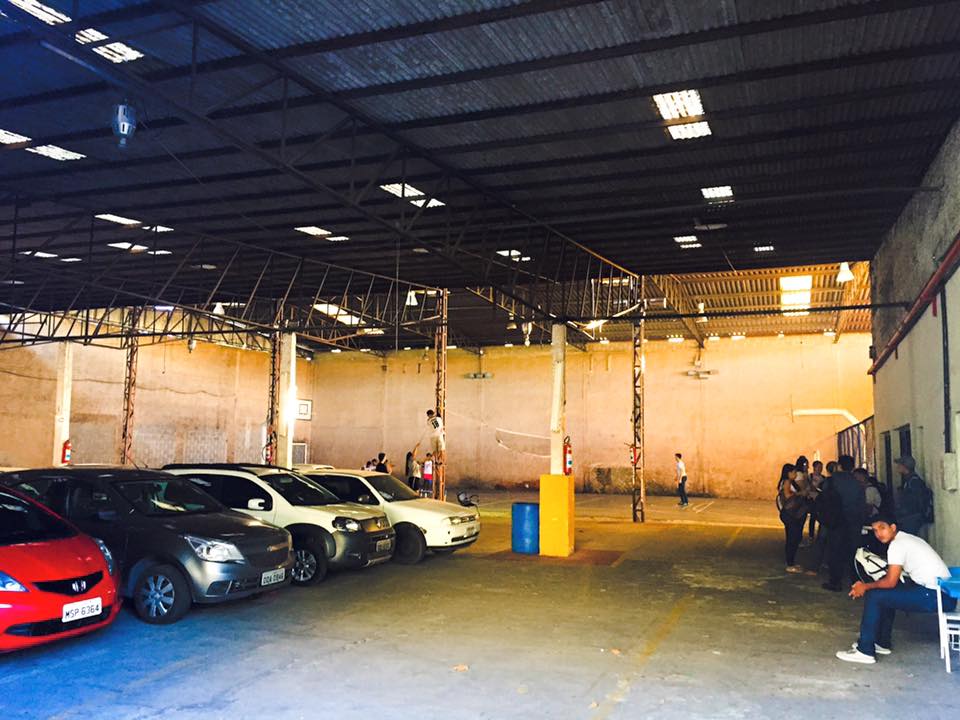
The high school is located in a four story building with minimal facilities for sports programs or physical education. The high schools in Brazil have Grades 10, 11, and 12—and this school is no different. Similar to other high schools in Brazil, there is a morning session, afternoon session, and evening session. Each period lasts roughly 55 minutes. If students enroll in the morning sessions, they are able to work in the afternoons or evenings—or vice versa. Students take roughly 12 subjects during those three years of high school—and high school students that wish to attend a competitive university must take a National Exam covering all 12 subjects at the end of their high school career. In the Social Sciences, for example, students take Philosophy, Geography, Sociology, and History.
In comparison to most American schools [and specifically, my school, Santee Education Complex, which is located in a high poverty neighborhood and all students qualify for the free breakfast program and lunch program], Wheber’s school lacks many of the basic resources that American students and teachers tend to take for granted. The recent economic crisis has led the state and federal governments to make severe educational cutbacks that is impacting the ability of teachers to deliver quality instruction.
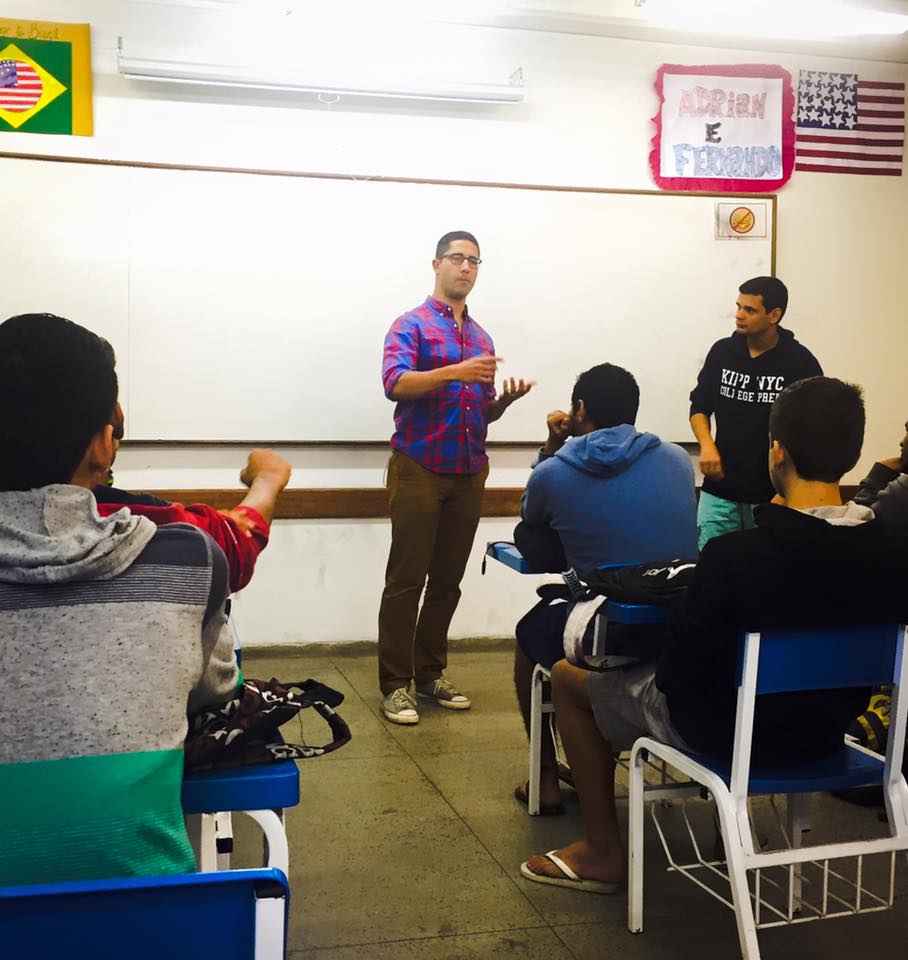
Upon arrival to Wheber’s school, we met a variety of teachers, coordinators, and administrators. After a short roundtable discussion with several teachers, Adrian and I gave presentations to three different periods. Each presentation lasted roughly 50 minutes, and Adrian and I divided the time between us. Our host teacher for the day also possessed an LCD project, so I was able to lead my component of the presentation with my Prezi presentation. For the three periods Adrian and I focused on the American educational system, with our own schools as case studies. Aside from our general overview of the American educational system, we also answered general questions about American society and American history. The majority of the students reacted favorably to our presentations. They were attentive, seemed fully engaged, asked myriad basic questions as well as more in depth and more critical questions, and in general responded positively.
After the end of each period, many of the students individually approached Adrian and I to ask more questions, introduce themselves, thank us, or simply to say hello and goodbye one on one. They were enthusiastic and obviously welcomed the opportunity to have two American teachers in their classroom.
Wheber’s morning session school appears to serve a working class and middle class population. According to Wheber, some of these students may have ended up there because they had demonstrated less motivation to push themselves academically.
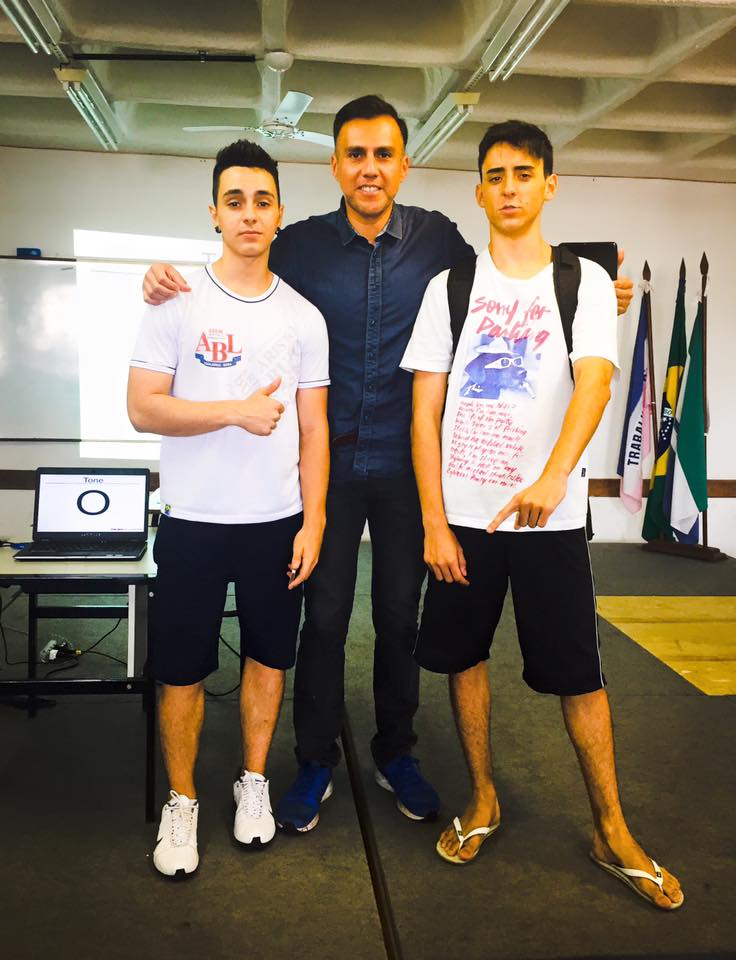
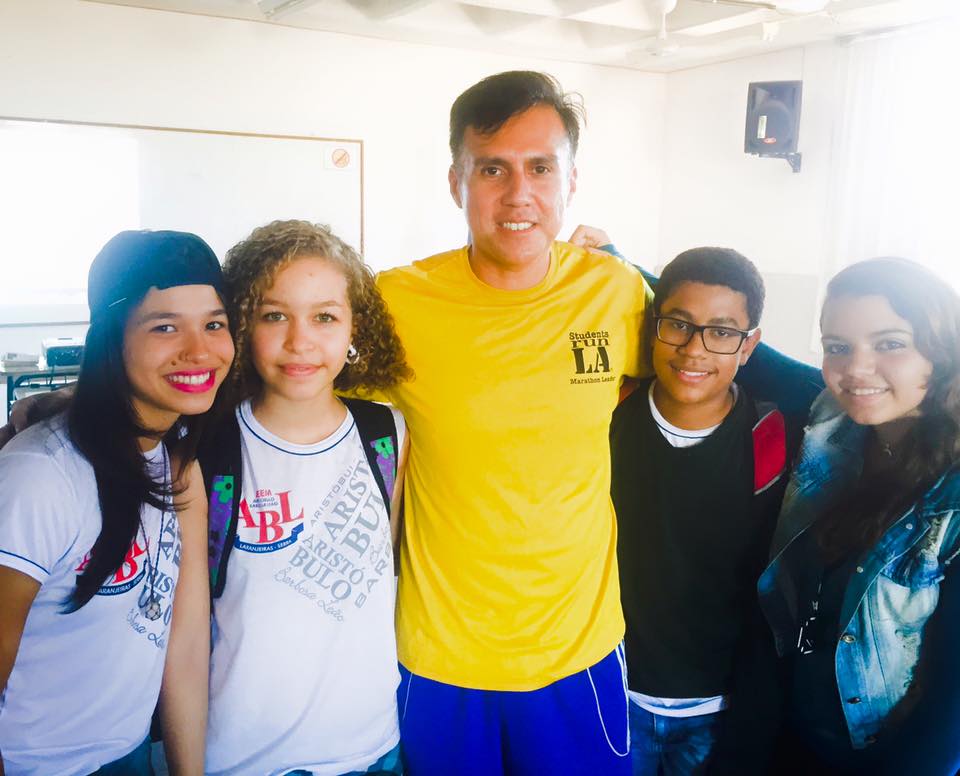
School ended at 11:30 and we then headed to lunch. After lunch, we made our way to Wheber’s second school. This school, located in the neighboring city of Vitoria, is equivalent somewhat to a continuation school or independent studies school in the United States.
At Wheber’s second school, students see their various instructors for assistance and to clear doubts on academic content, submit assignments, and take assessments. On some levels, it is equivalent to one-on-one tutorial sessions. Students range in age from 15 to more mature adults that have been away from the educational system for decades. Wheber’s afternoon session runs from 1 to 6pm.
Adios Brasilia
June 12, 2015
After spending nearly five days in this automobile and mall obsessed city, we headed to the airport for our less than two hour flight to Vitoria, in the state of Espiritu Santo.
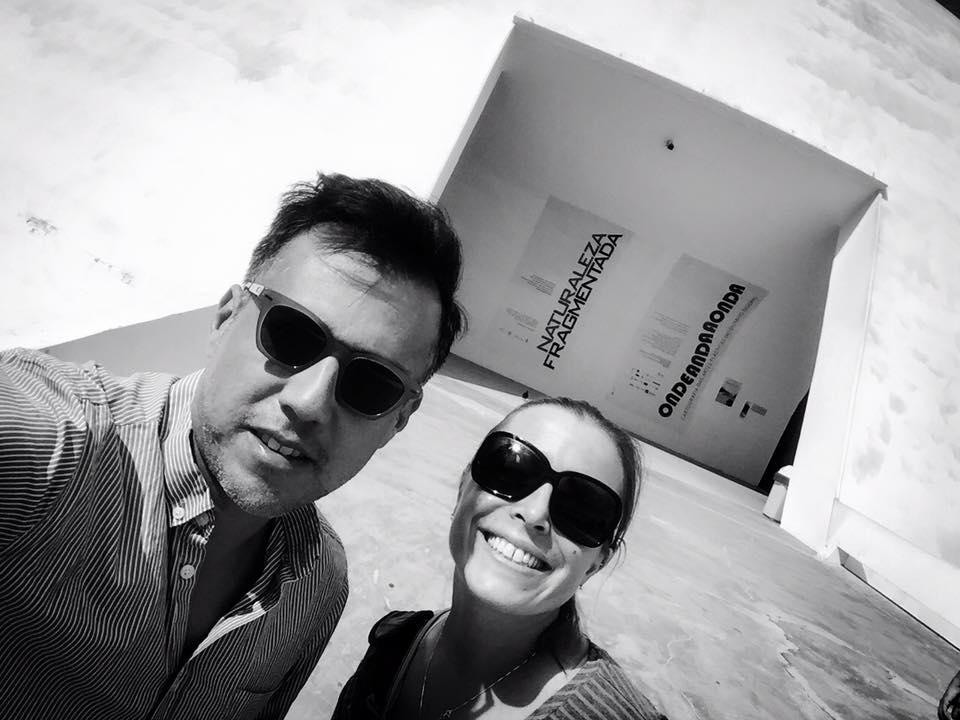
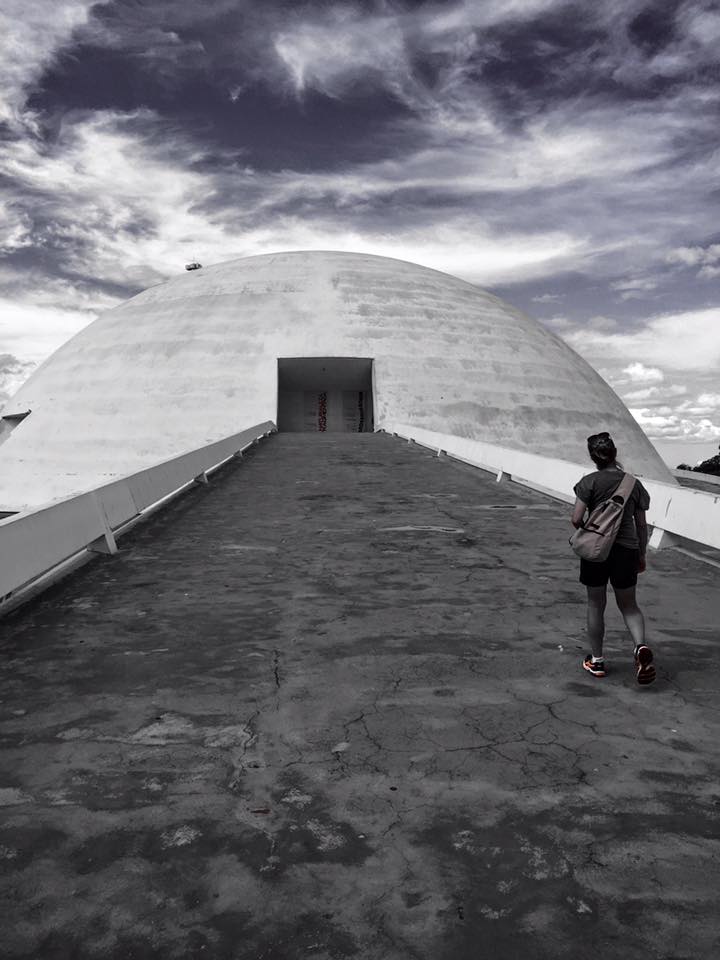
Our flight wasn’t till 8pm, so that gave me plenty of time to venture into the city one last time–but this time without the entire group. Anne and I hopped on a taxi after breakfast and made our way to the Museo de Arte Moderna de Brasilia. Designed by Oscar Niemeyer, this building, reminiscent of Saturn, houses an impression collection of contemporary art. After snapping a few photos of the exterior, we made our way into the museum. Today’s collections focused on contemporary Brazilian artists–with a plethora of photography, paintings, installation pieces, and other ‘avante garde’ pieces typical of any world class city’s museum’s modern art collection.
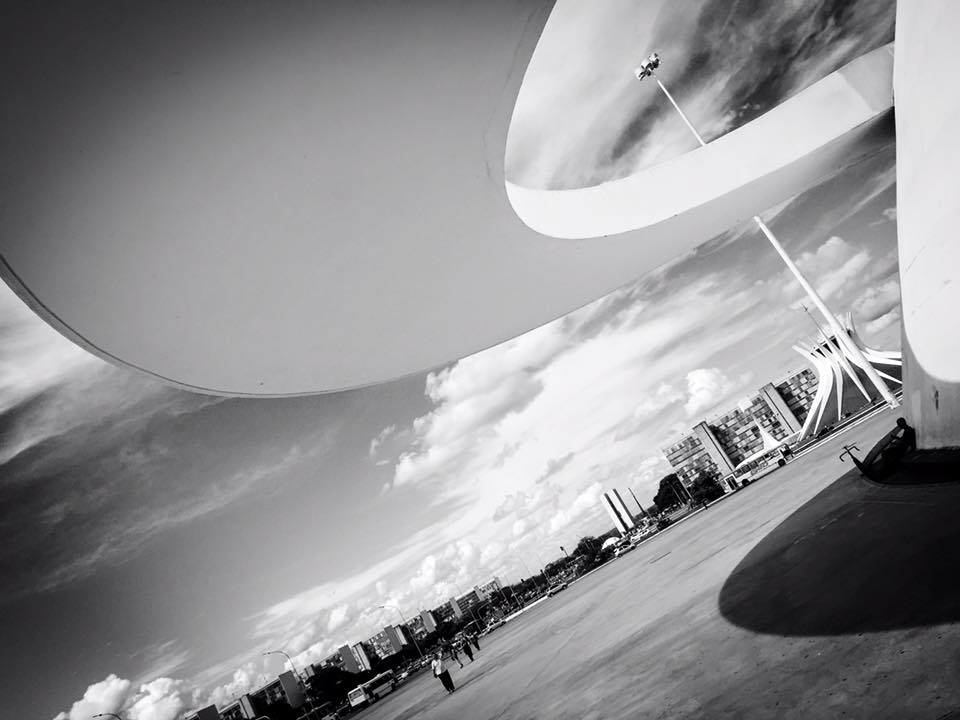
After our visit to the museum, we walked down to the Cathedral, also designed by Niemeyer. Quite unlike any other Catholic Cathedral, this house of worship’s architectural design reads future modernism.
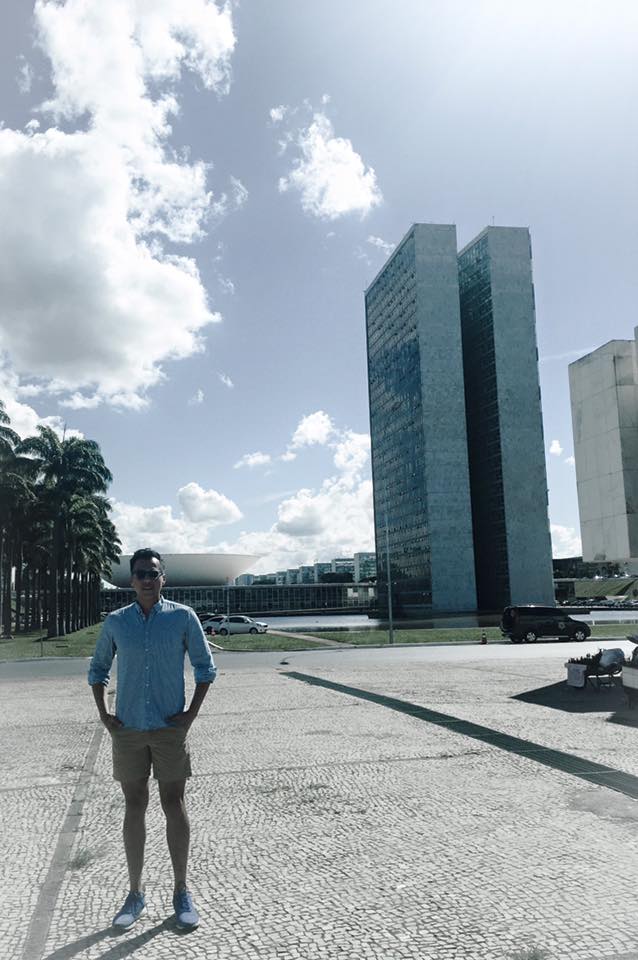
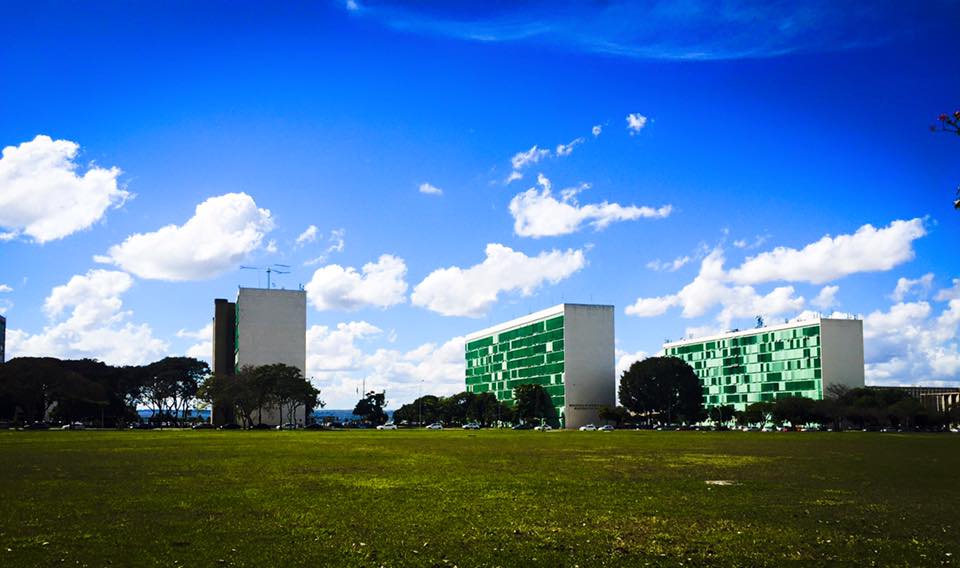
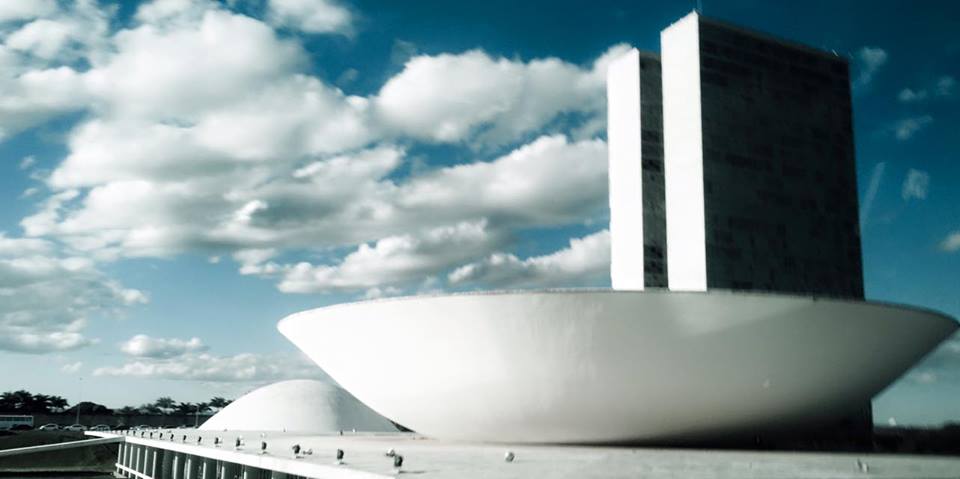
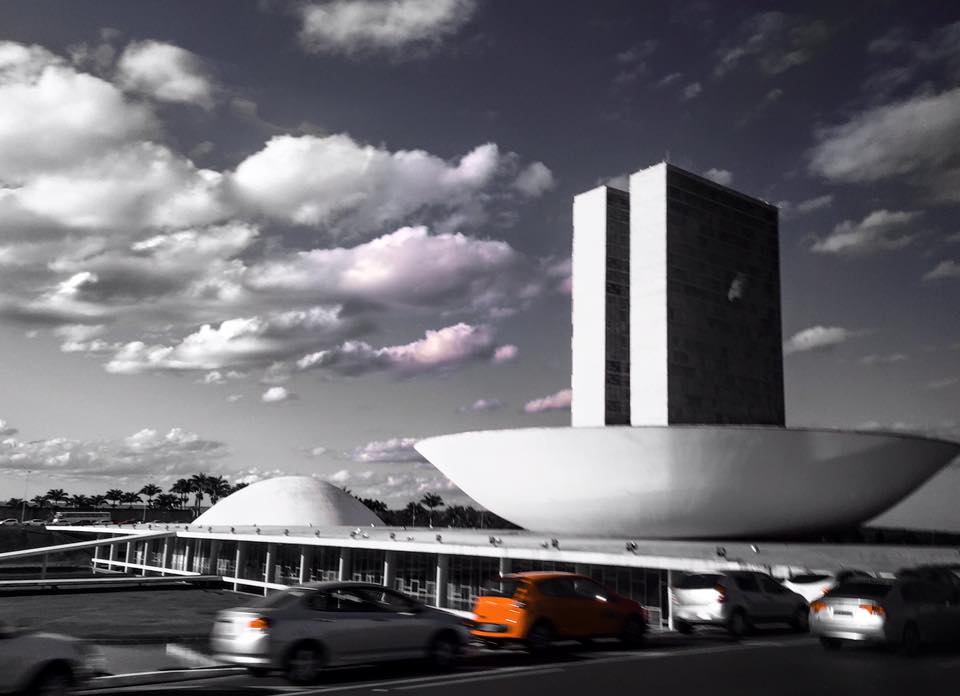
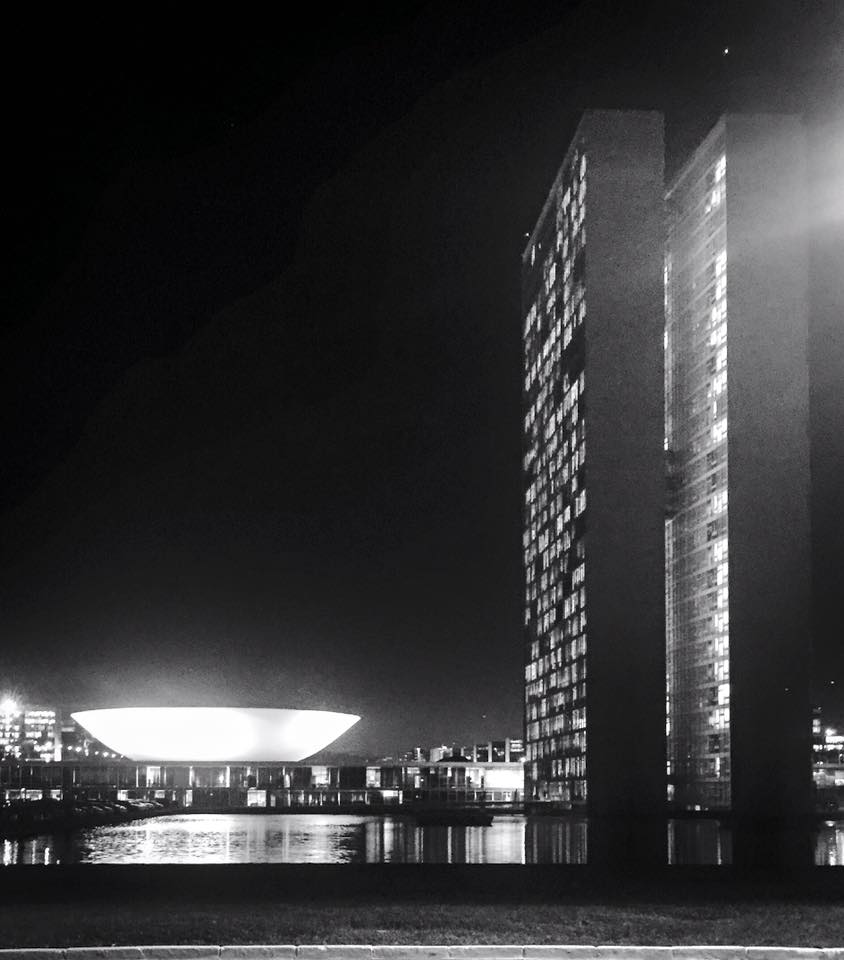
We ended our leisurely stroll of the city center at the Praça dos Três Poderes [Plaza of the Three Powers]. Here one finds the centers of the executive, legislative, and judicial branches of the Brazilian federal government. Prominent amongst these three buildings is the Camara dos Deputados–which includes the two symetrical towers and two adjoining structures. The first is in the shape of a dome and the second is in the shape of a…giant cereal bowl. 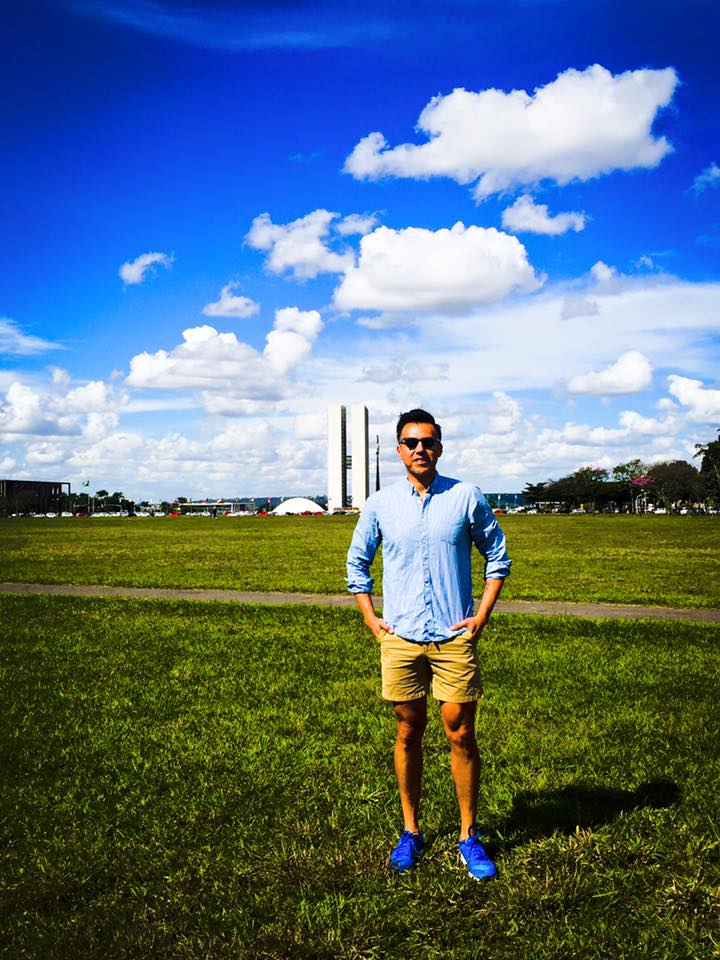

About Last Night: Brasilia Brasilia
June 11, 2015



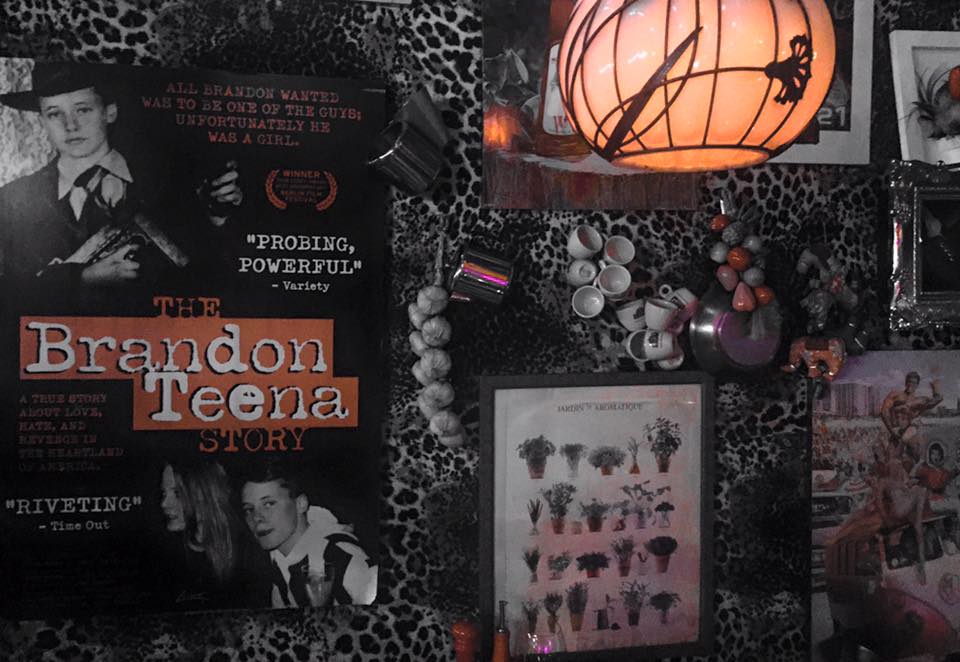

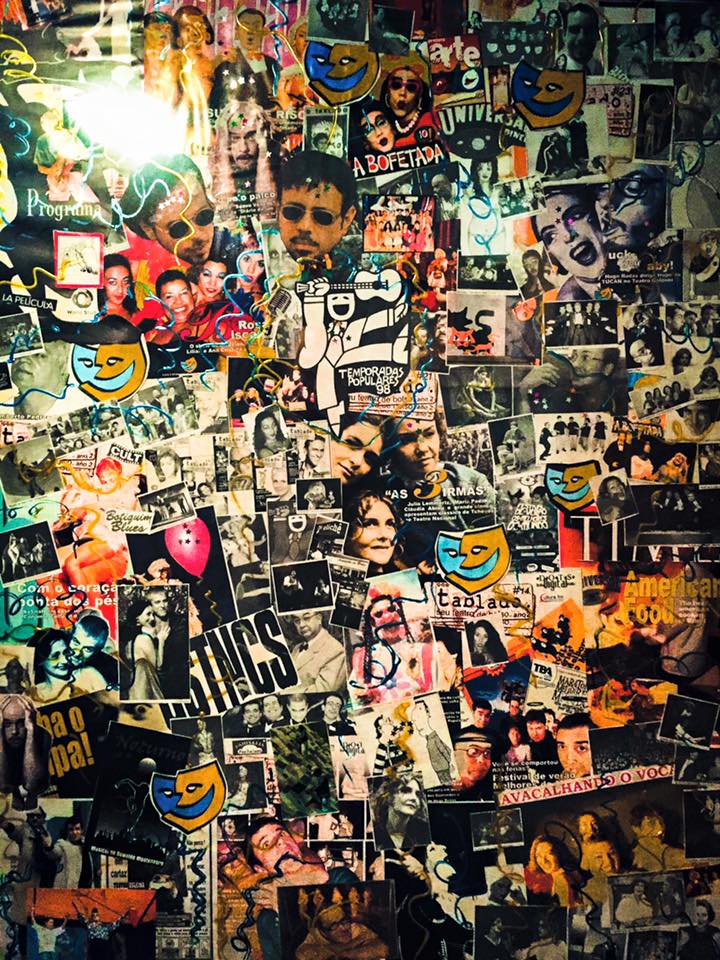
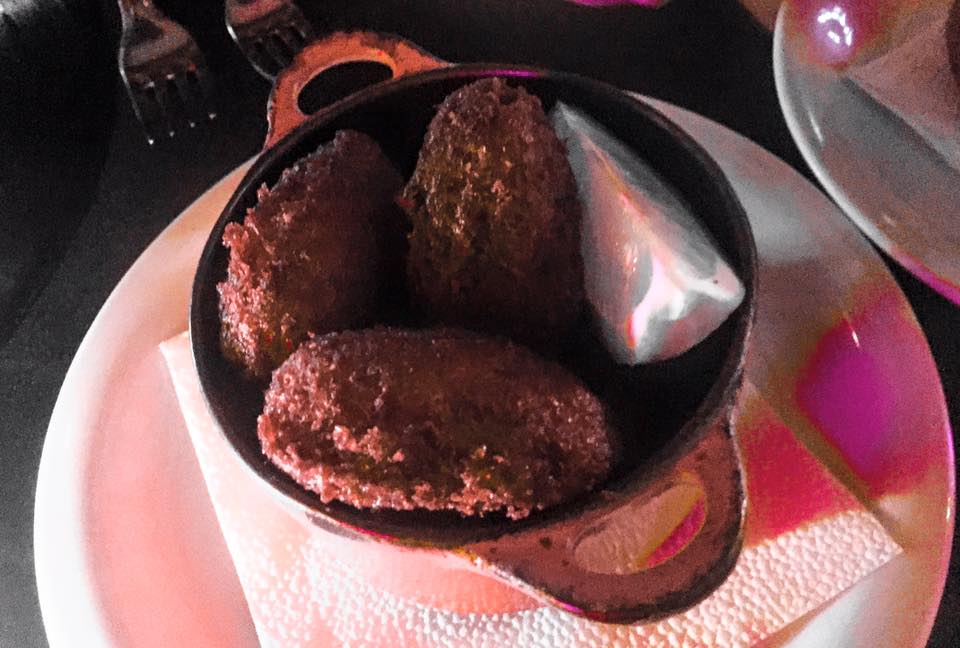
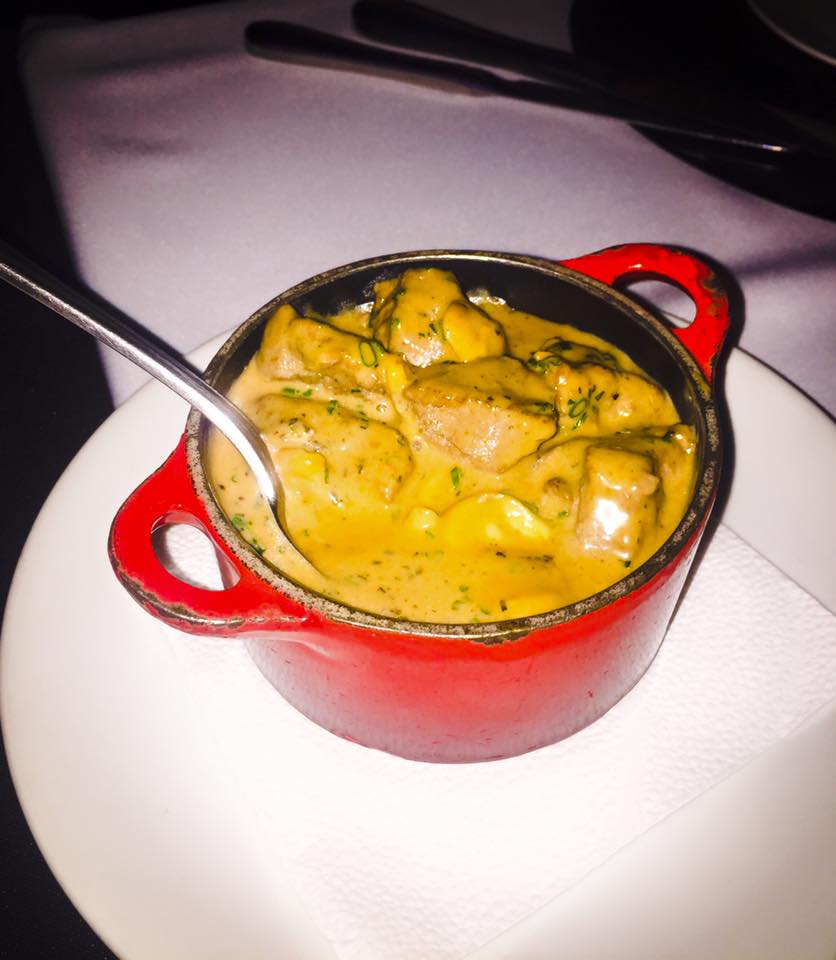
Was. Amazing. After spending four days at the Royal Tulip and shuttled around the city in a comfy chartered bus, four of us decided to take advantage of our free evening and venture out into the wild.
First order of business: Grab a cab and get ourselves to Cuadra 210 Bloco B. Our desination: Universal Diner. After experiencing intense Brasilia traffic, including a re-route because of some police activity, we finally arrived.
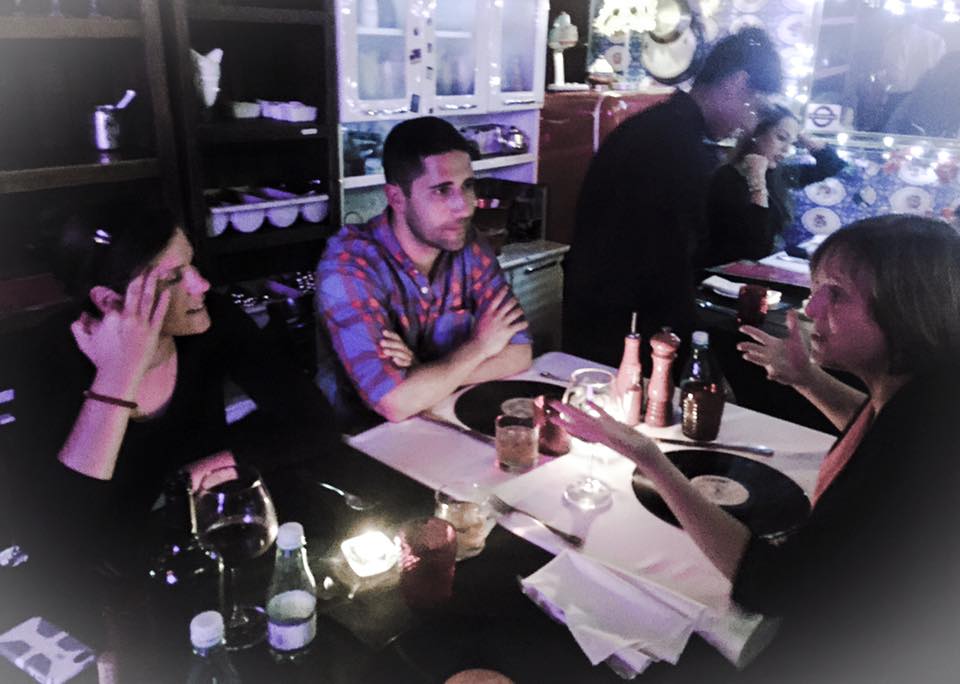
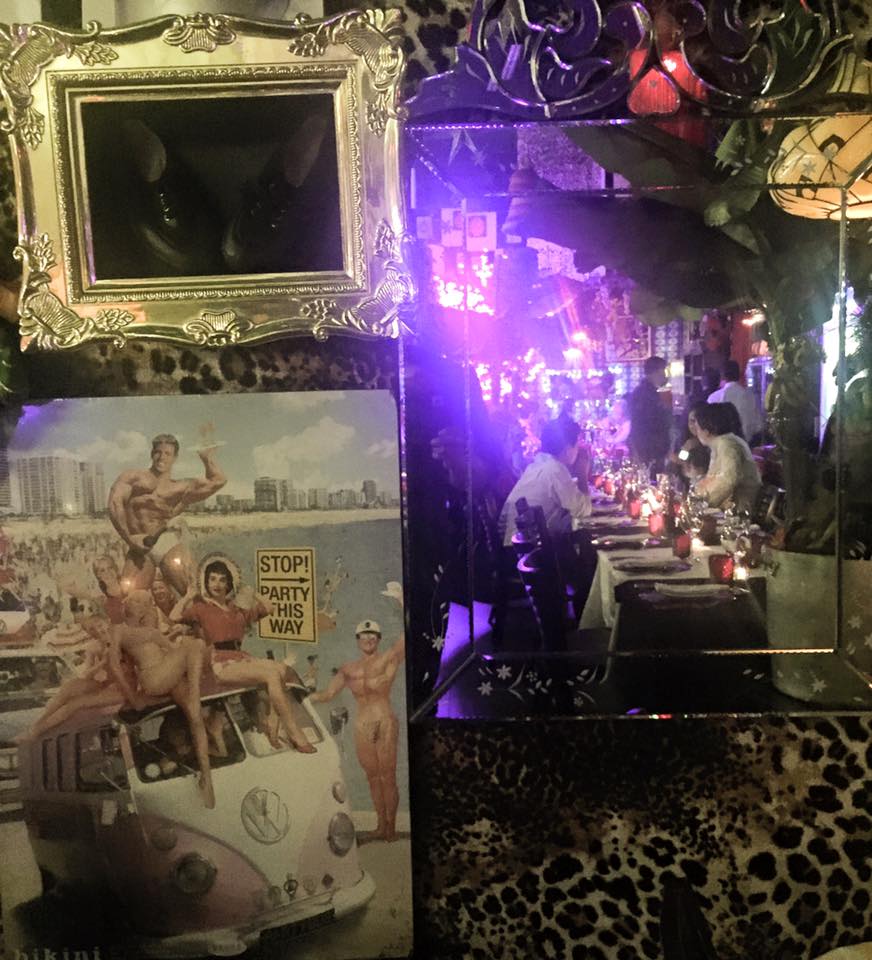
I felt some slight hesitation as we entered the establishment–thinking that perhaps, because it was recommended by Lonely Planet, it would be a tourist trap with terrible food. I could not be more wrong. We step into the restaurant and we are immediately drawn to the explosion of color, pop culture paraphanelia, kitsch and chotsky. Think El Conquistador in Silverlake [Los Angeles], multiplied by 100. It was pure fabulousness–a total visual delight. Our senses were on overdrive. We simply could not contain ourselves.
We ordered Bacalao Croquettes and a “Little Steak’ with some type of gravy sauce appetizer. After four days in Brasilia, we had finally eaten something to truly remember. After indulging in these most delightful starters, the four of us proceeded to order our main dishes. I went with the juicy Fielt Mignon, accompanied by a side of very rich and creamy Risotto. Each bite melted in our mouths with an explosion of flavors.
I didn’t think the evening could get any better, but somehow the stars continued to align on this most magical evening. Towards the end of the evening the Chef Owner joined us at our table. It turns out Mauricia had lived in New York City some twenty years prior with her ex girlfriend. She shared a bit of the restaurant’s history, and we offered a few tidbits about ourselves. After a nearly 15 minute chat, Mauricia moved to a few other the tables, leaving us on an even higher high.
The Planalto
June 10, 2015
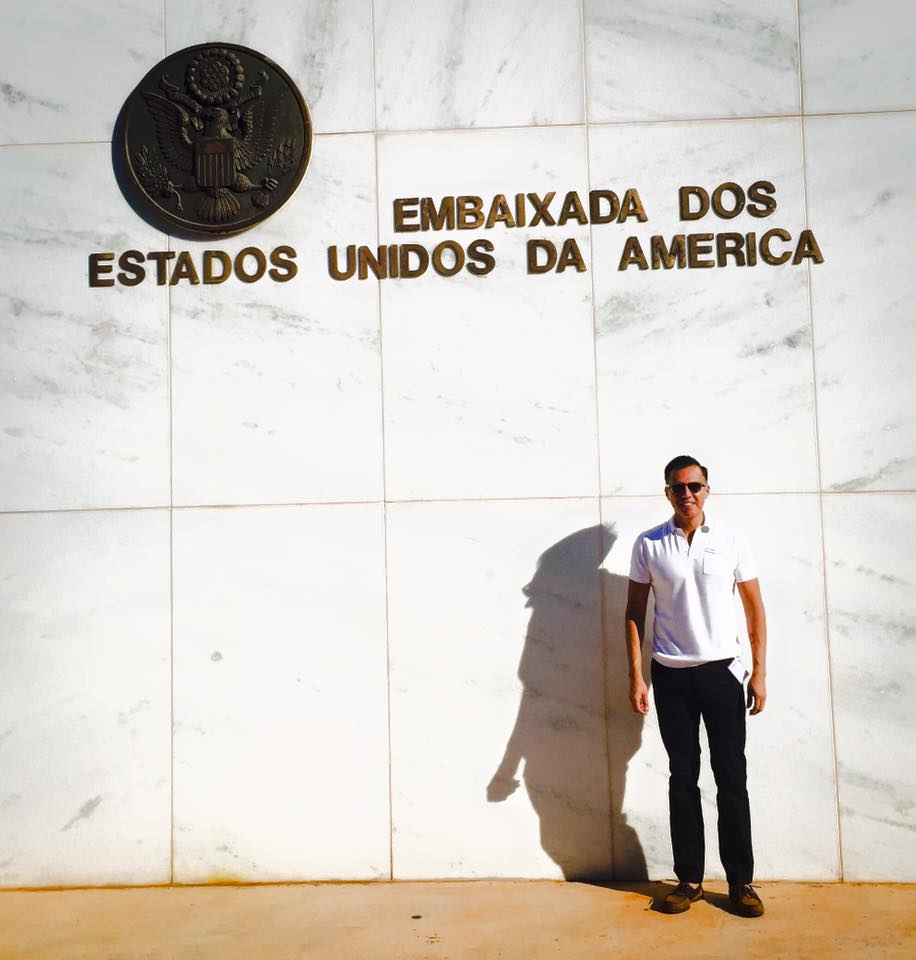
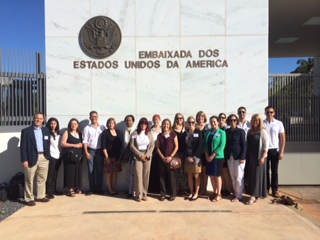
Yesterday [Day 3 in Brasilia], we visited the U.S. Embassy for several briefings from Embassy staff. These briefings focused on the mission and purpose of the U.S. Embassy in Brazil, security issues, health and wellness issues specific to our stay in Brazil, as well as consular services for American citizens doing business or traveling in Brazil.
Earlier this week we also toured the Brasilia Planalto, a wide plaza that stretches more than a mile that encompasses the heart of federal Brasilia. The Planalto encompasses the original government structures designed by the architect Oscar Niemeyer from 1957 to 1960. Designed to represent a plane or a bird with outstretched wings, the Planalto houses all major federal buildings for the entire nation–from the bicameral legislative buildings [Congreso Nacional], the federal judicial branch, as well as the Executive branch and more than thirty ‘Ministries,’
When Brasilia was completed in 1960, the entire federal government and its employees moved from Rio de Janeiro to this ‘city of the future.’ It was originally designed to house less than 500,000 residents, but today the Brasilia metropolitan region includes more than 4 million residents. Many of these residents live in the myriad ‘Satellite’ cities that have sprouted around Brasilia.
Juscelino Kubitschek, the President of Brazil between 1957 to 1961, envisioned Brasilia as not only the city of the future, but also as a mechanism to integrate all the Brazilian regions, create jobs and absorb a workforce from the Brazilian Northeast, and to stimulate the economy [in particular, the economy of the North and Central Brazil].
Brasilia has been designated a UNESCO World Heritage site, and as such all new developments must follow strict design elements first outlined in the city’s master plan. These strict urban planning guidelines have engendered a somewhat dated, less than ‘modern’ looking city vis-a-vis other cities around the world. The automobile was prioritized in its design, and as such the city severly lacks public spaces. In fact, city and social life in Brasilia tends to revolve around indoor malls.
A Study in Contrasts / Brazilian Educational System
June 10, 2015
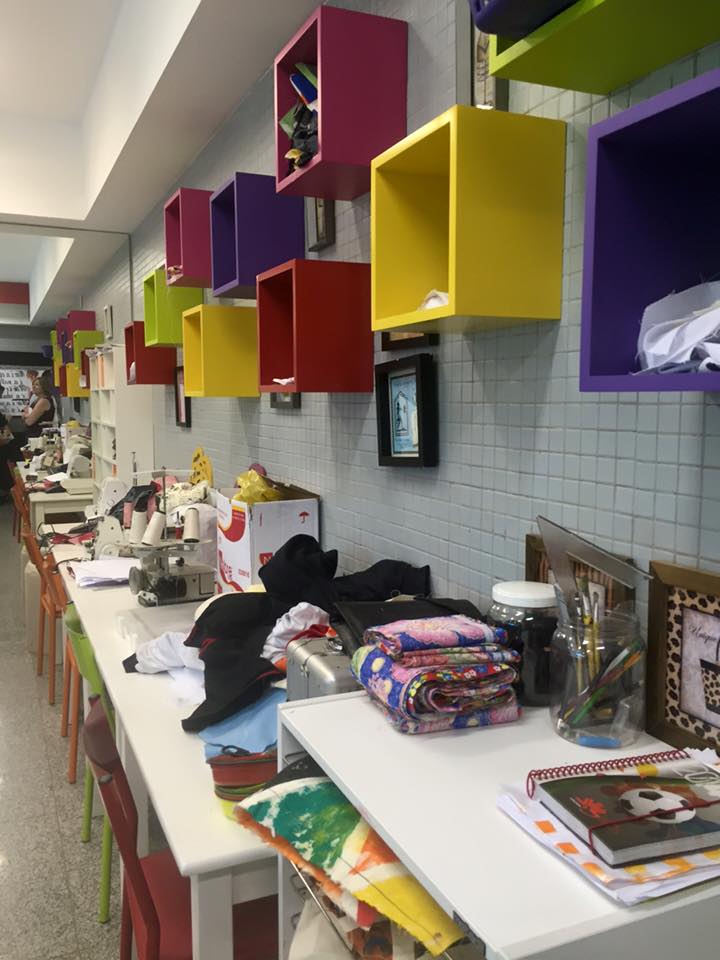
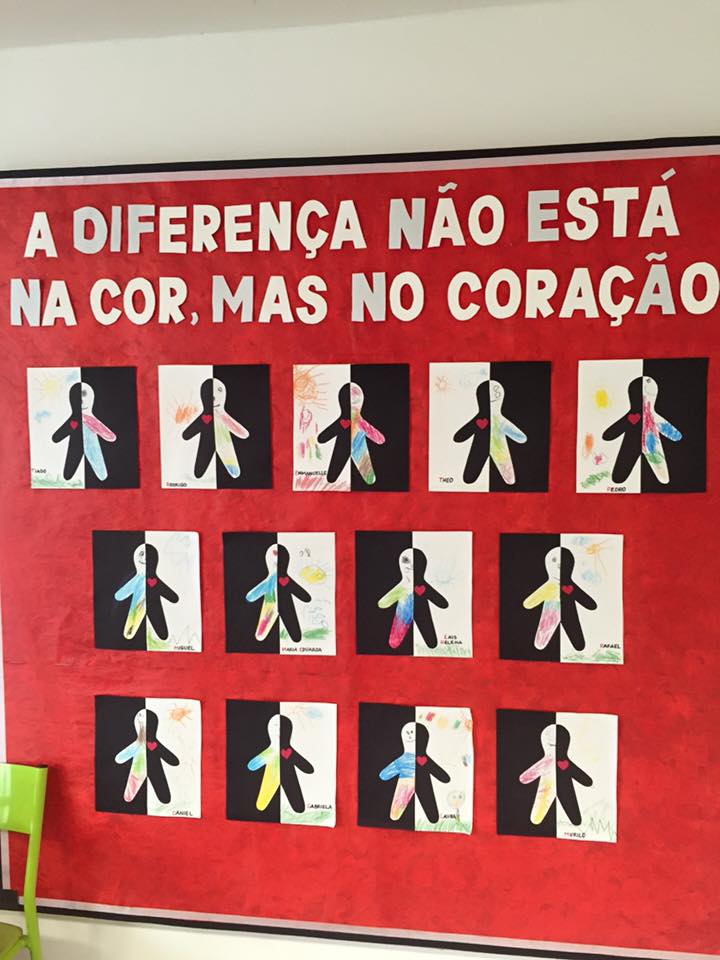
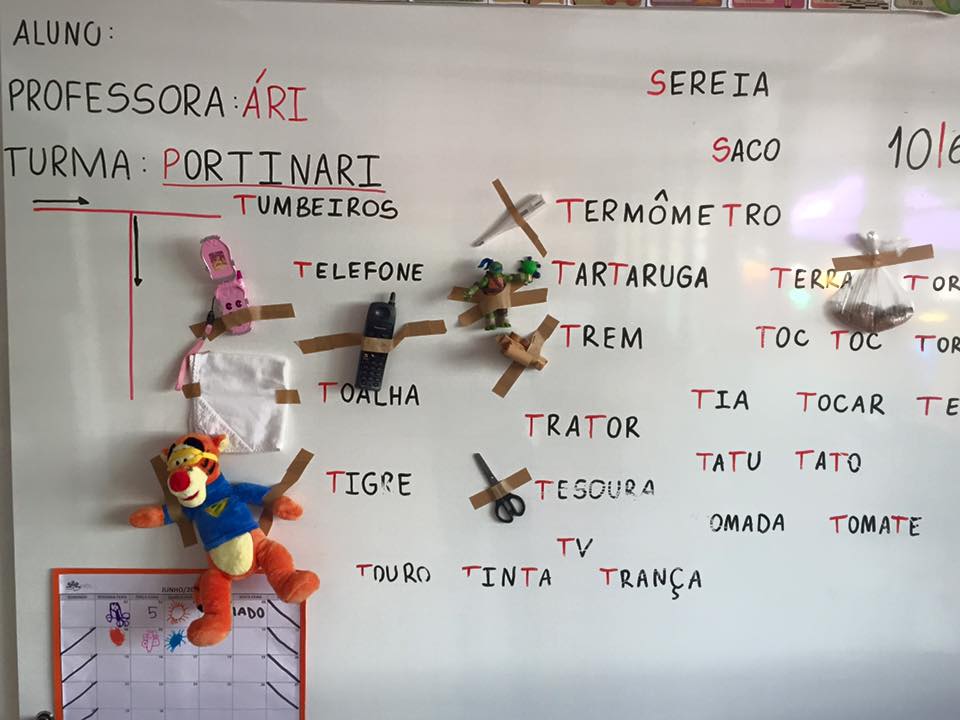
Today we visited two Brazilian schools. The first, the Instituto Federal de Brasilia [Campus Brasilia], is a ‘hybrid’ educational facillity that is a cross between an American high school and a community college. The Federal Institutes focus on vocational and practical educational courses and programs, rather than a focus on theory. As such, the Federal Institutes prepare their students for the job market. Nationwide, there are 562 Federal Institutes throughout the 27 states of Brasilia. The Federal Institutes were officially created in 2008, but in reality these campuses replaced an older educational system and schools that have existed in Brazil for nearly 100 years. Currently, there are more than 1 million Brazilians that attend the Federal Insittutes. And since 2003, the Brazilian government has opened 372 Federal Institutes, with 158 of those campuses opening in the period between 2011 and 2014. The majority of students in the Federal Institutes are in a technical program [54%], and the second greatest percentage of students are in an Apprenticeship program [27%]. The remainder is divided between the three following types of programs: Undergraduate [11%], Teaching [6%], and Graduate [2%]. The teaching faculty at the Brazilian Federal Institutes generally possess high levels of education: 20% possess a PhD; 49% possess a Masters Degree; 31% possess a Bachelors Degree or Specialized Certification in thier teaching area.
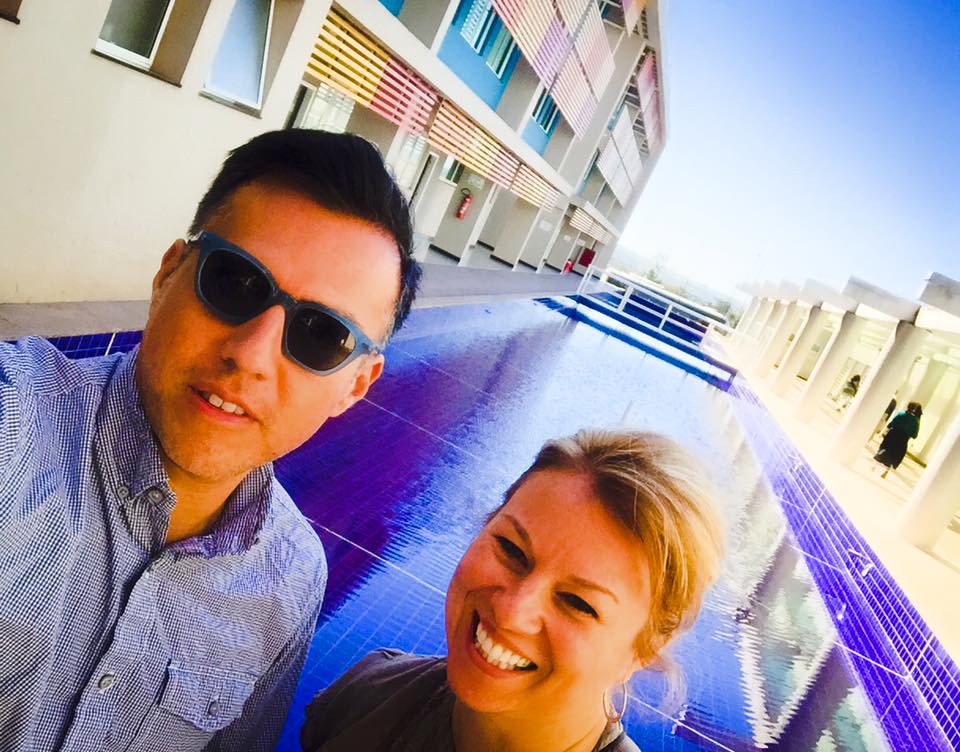
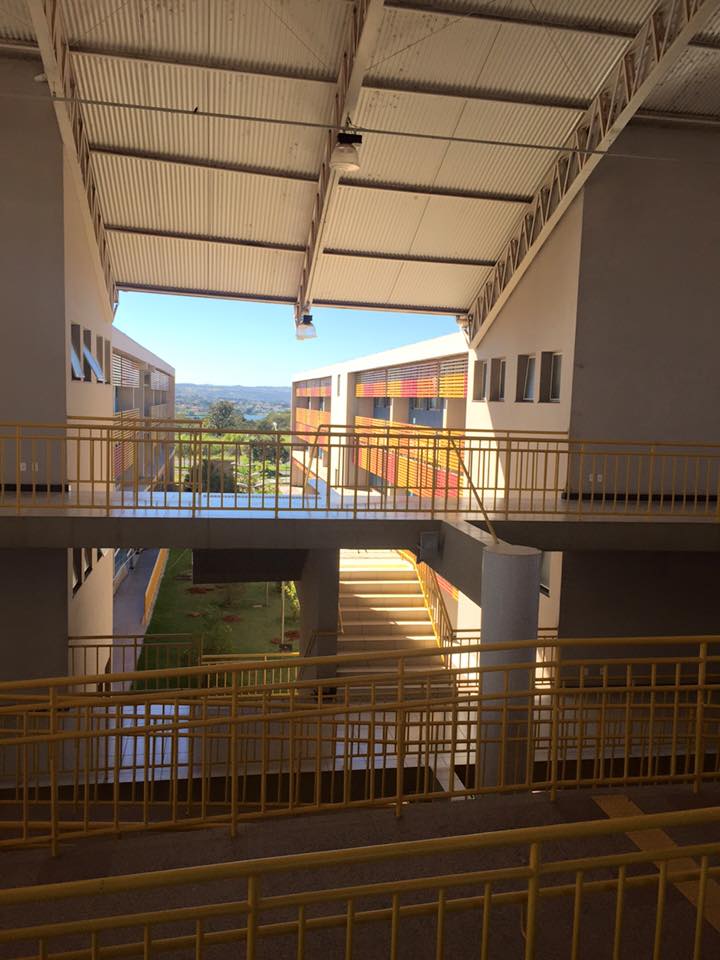
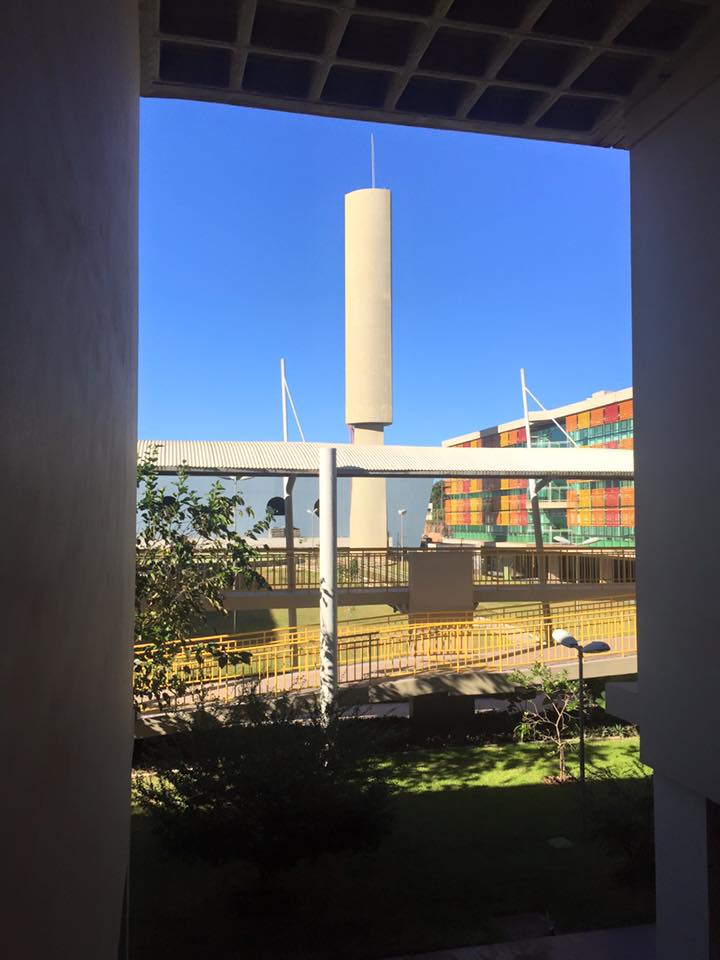
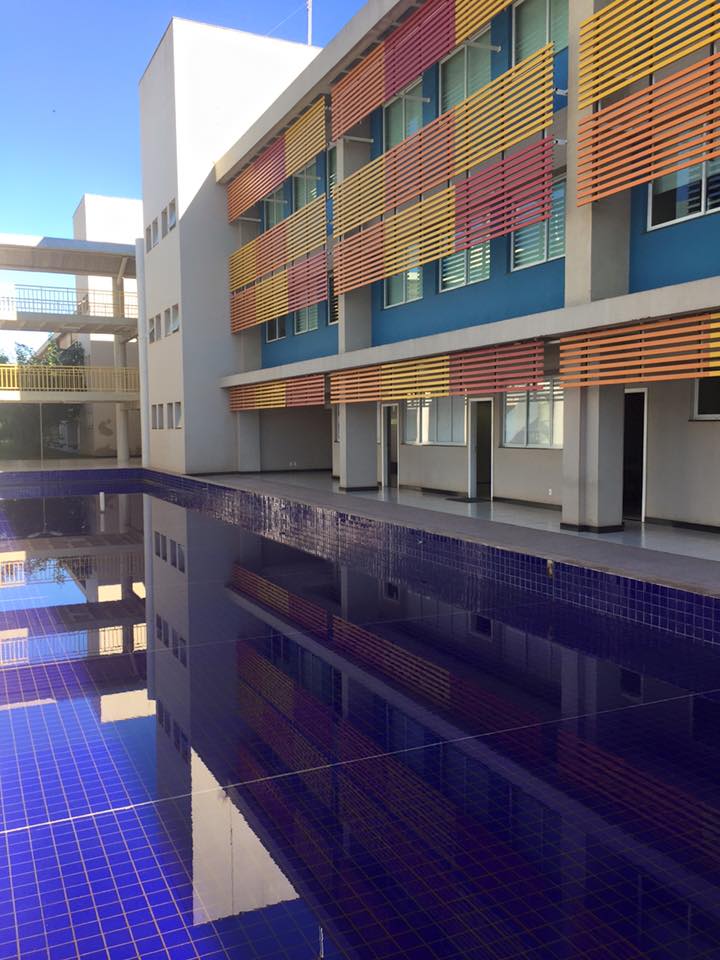
Aside from the Federal Institutes, there are also state and private institutes that focus on vocational educational programs.
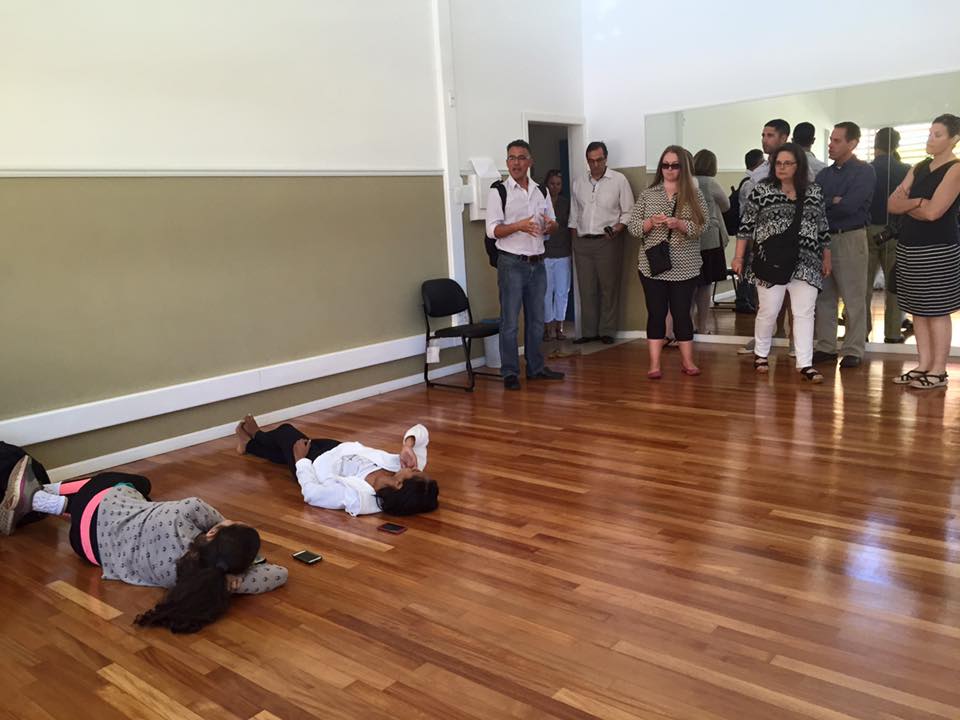
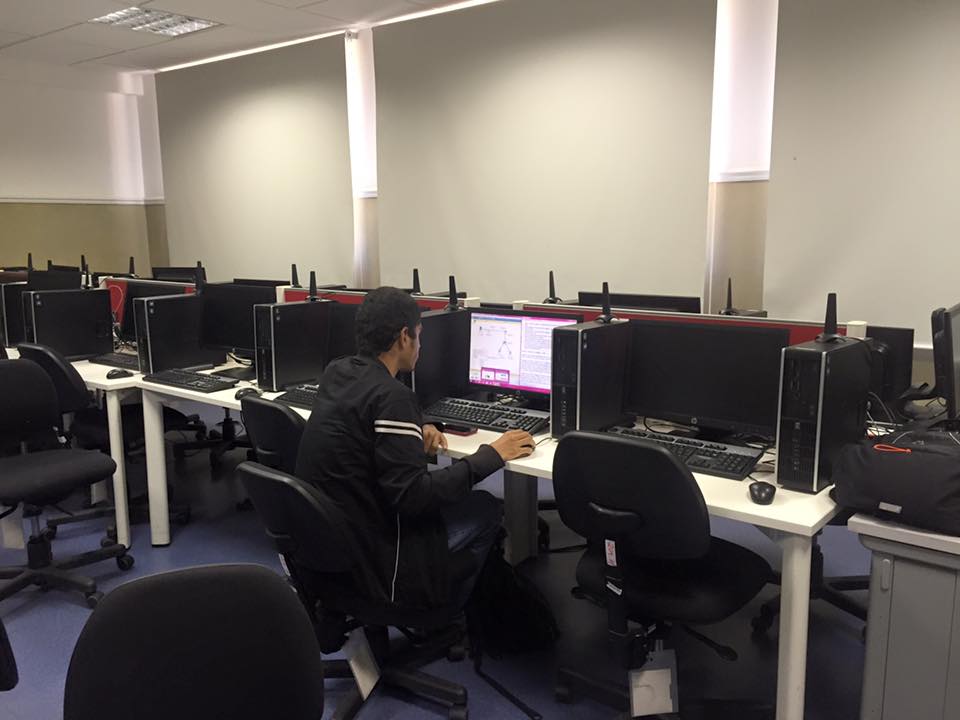
The Federal Institutes in more recent years have shifted their focus to research, development, and innovation, as well as Human Resources training. These aims align with the Brazilian federal government’s efforts to improve the Human Development Index of Brazilian society and increased prosperity and economic development across the nation.
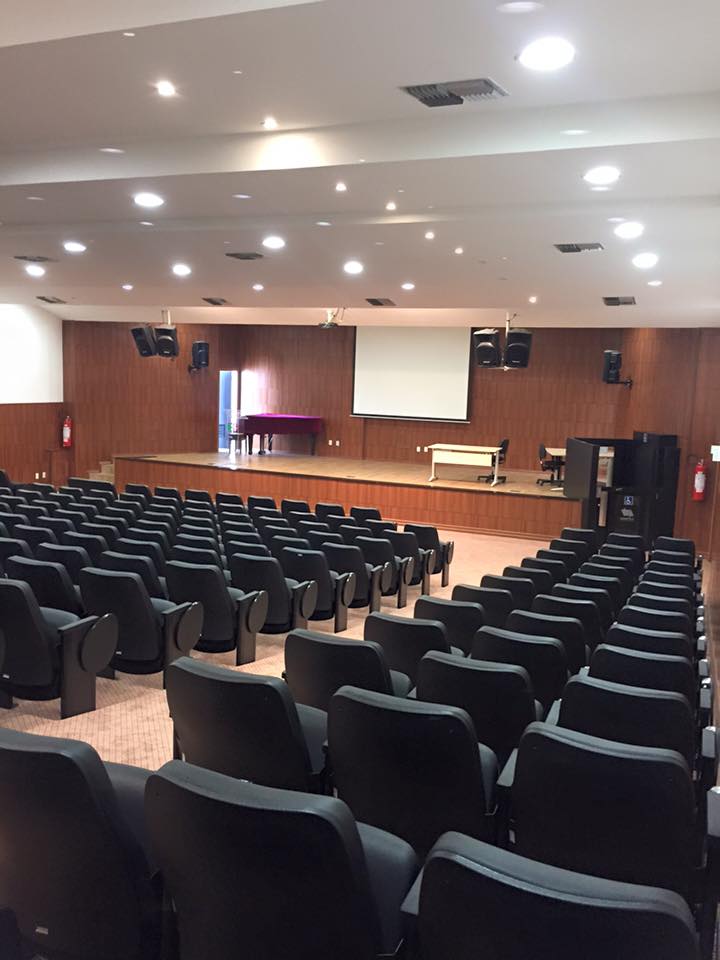
The second school we visited was a K-12 private school. This school, founded just a couple years ago, has expanded rapidly since its inception in 2010. And just this year the school opened its high school [in Brazil, high school is grades 10-12]. This school was founded and funded by a wealthy Brazilian business owner, and it is trying to compete against older and more established private schools in the Brasilia metropolitan area. The school’s tuition [ranging from $700-$1000 month] exceeds the budgets of most Brazilians. As such, the school’s student population hails primarily from the upper class families. The school provides full and partial scholarships for a large number of students, but these scholarships are awarded based on entrance exams rather than simply financial need.
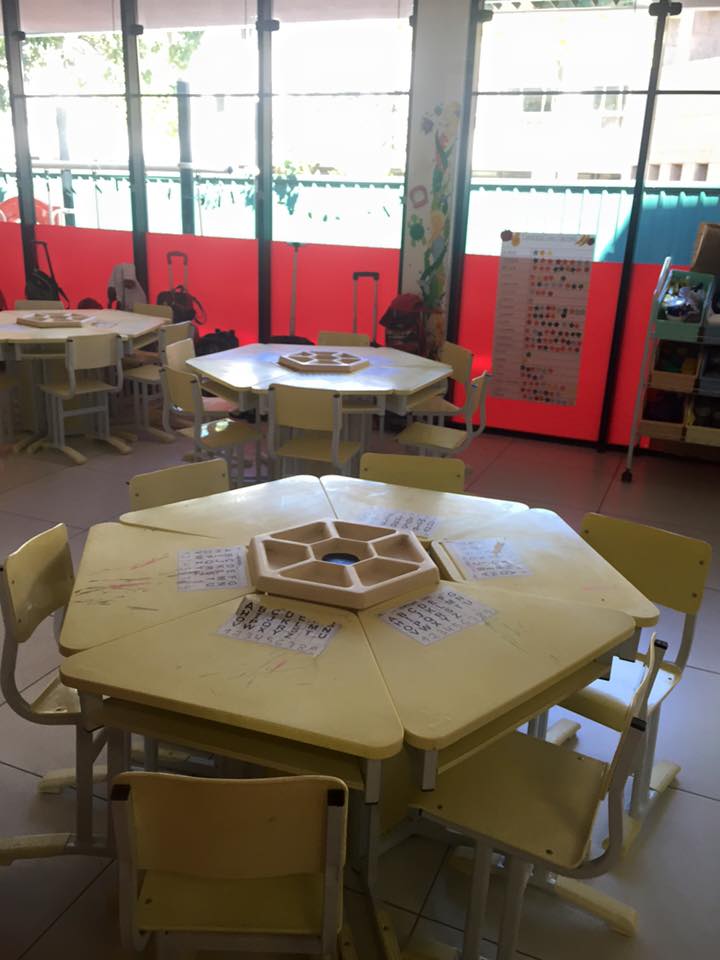
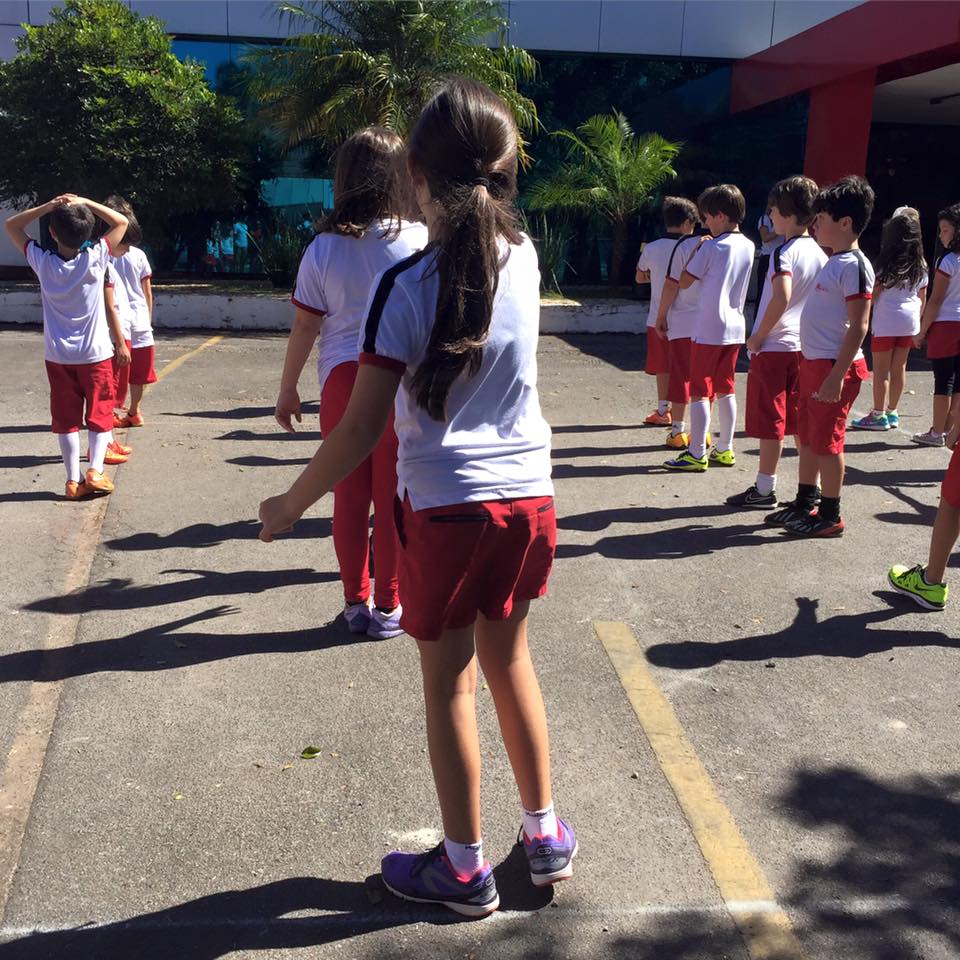
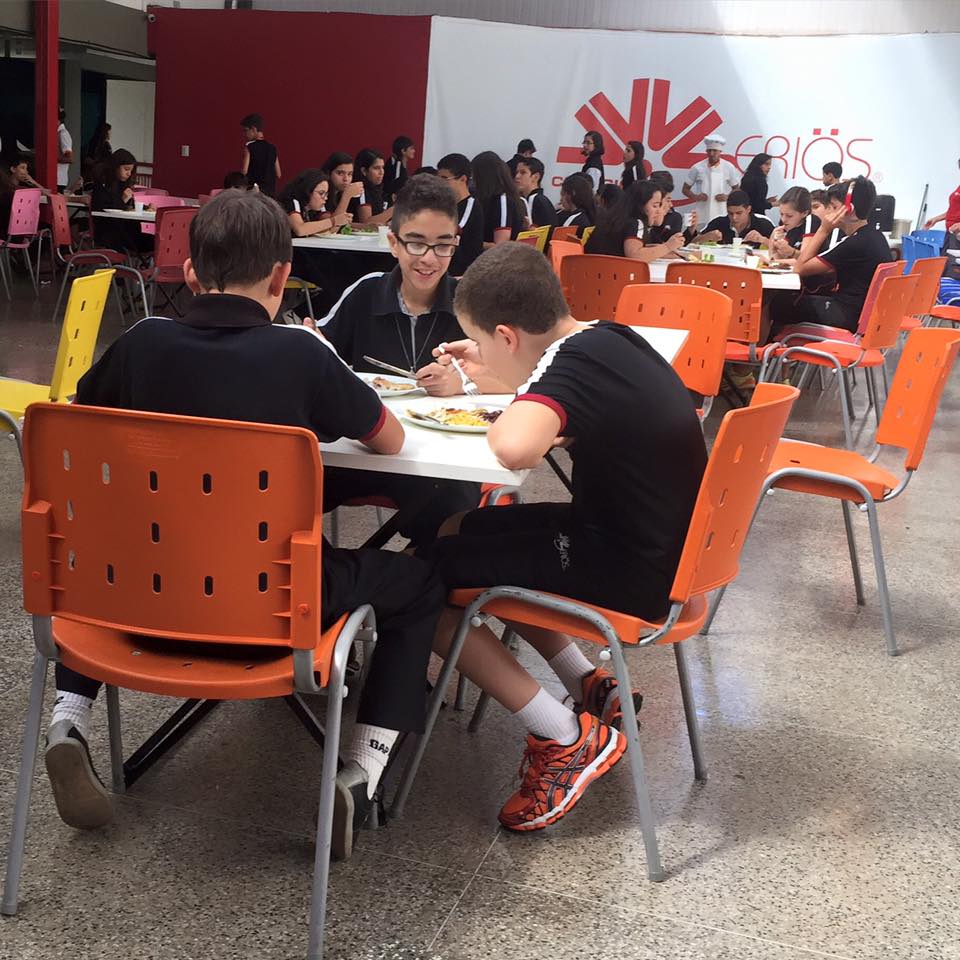
Students at the high school take a variety of courses per semester, including a plethora of ‘electives’ and non-traditional high school courses such as Circus Acts, Philosophy, and Gastronomy. This school also heavily emphasizes English as a Foreign Language–and this runs counter to most Brazilian schools. Finally, some of these students will take the “vestibular’ [extremely competitive college entrance exam] at the end of their high school studies, the high school students take a large number of science and math courses.
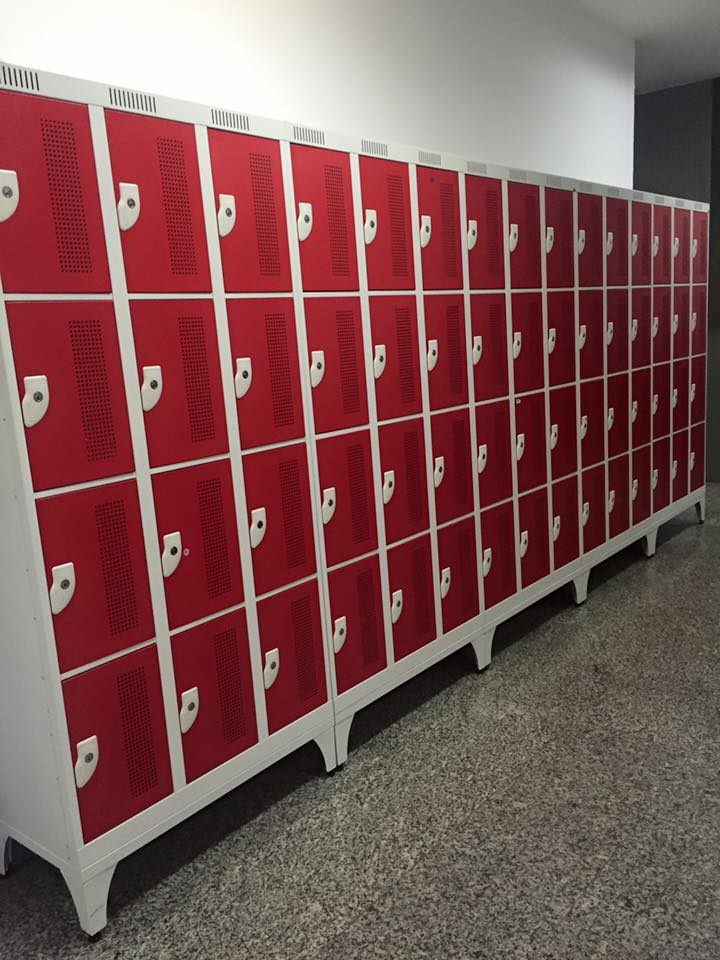
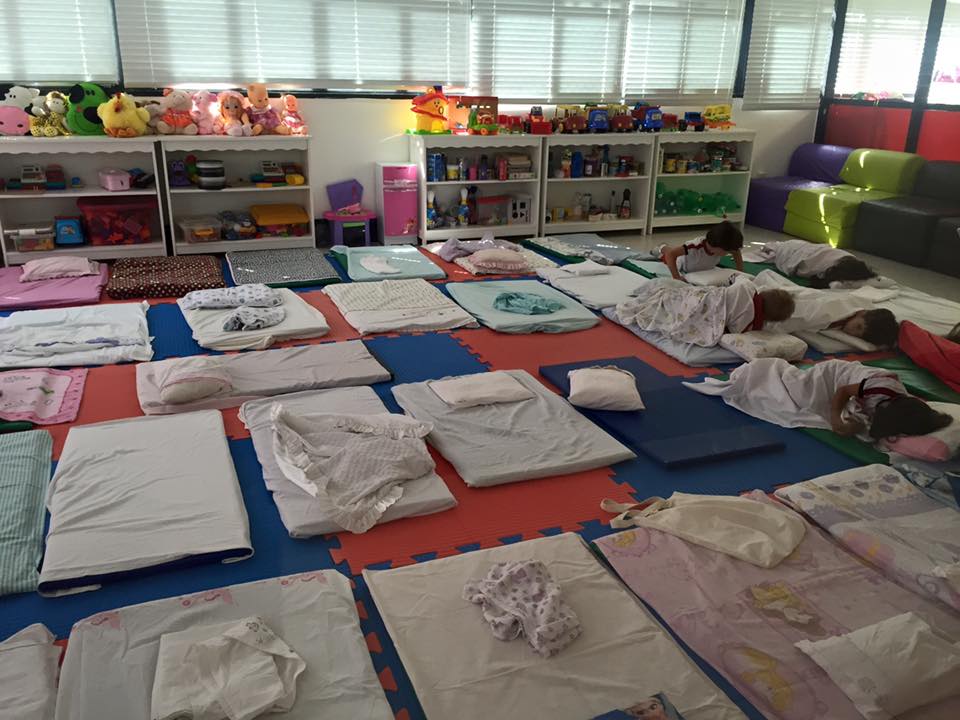
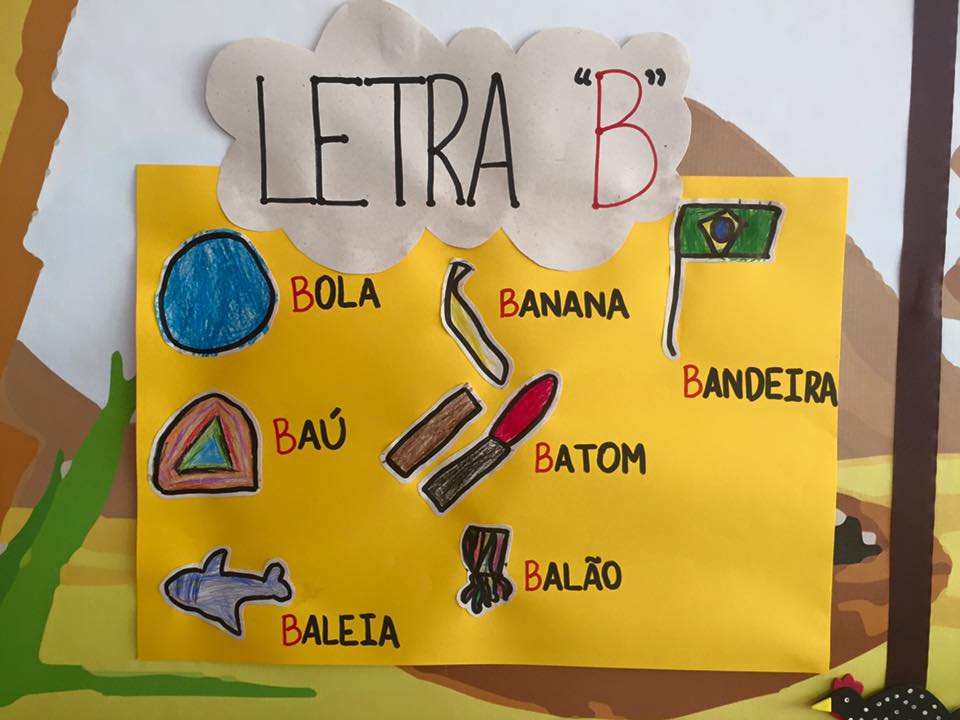
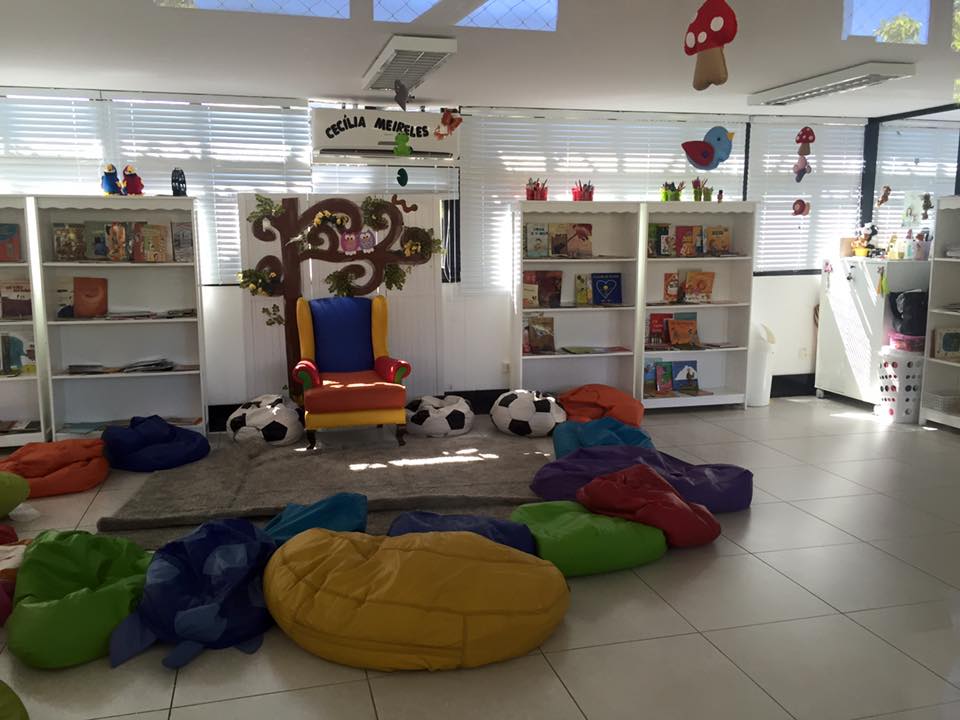
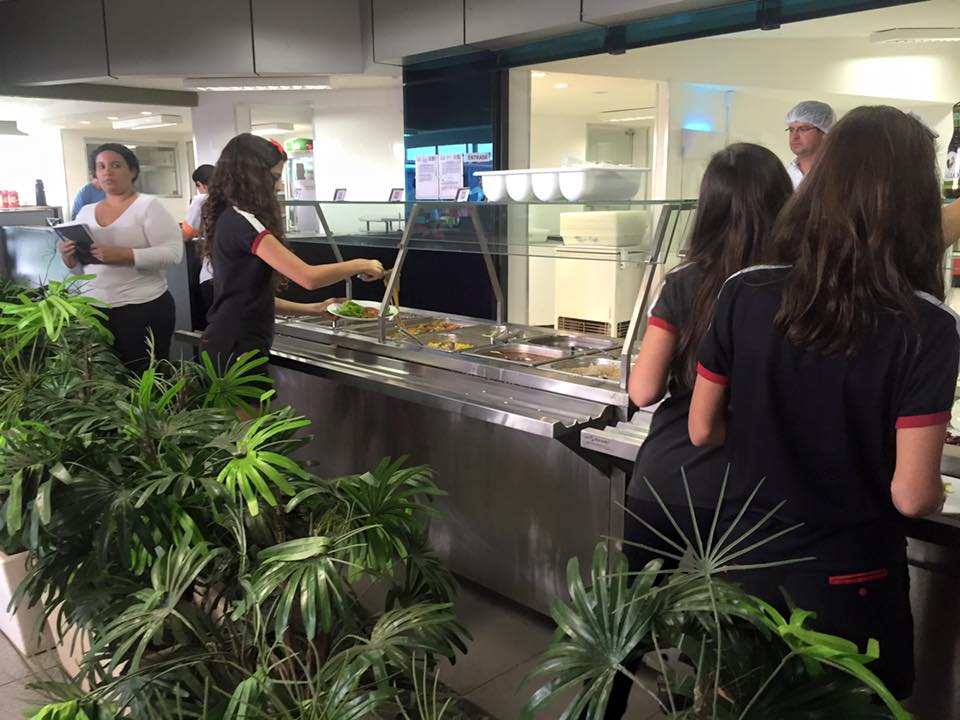
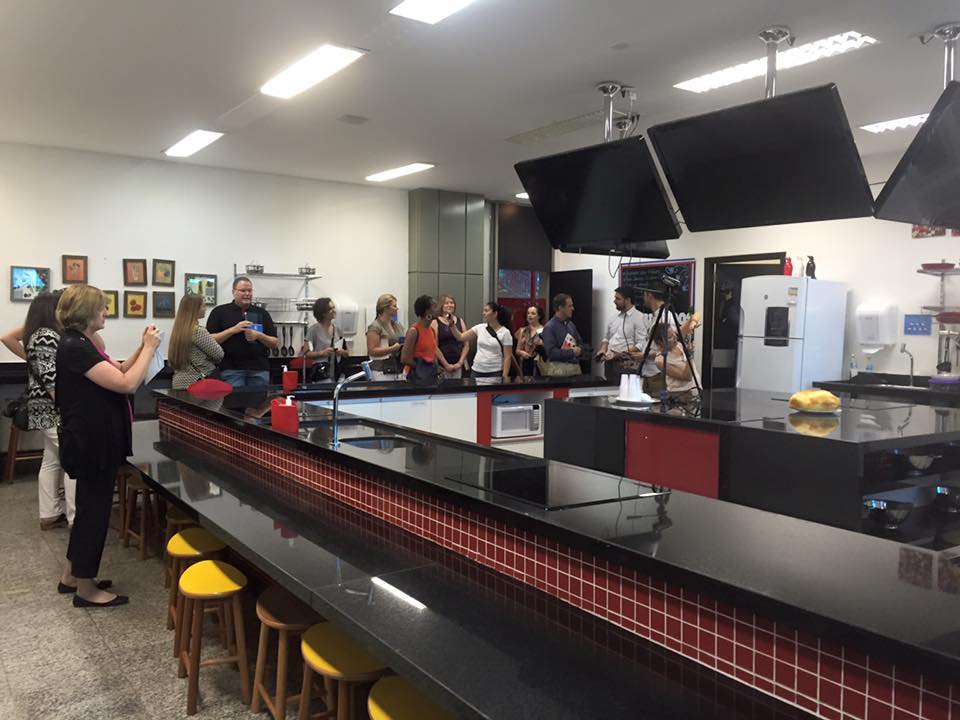
During our visit, we heard a high school student panel, as well as a panel of teachers and other staff members. We also toured the campus. The entire K-12 school is housed in the same building, and includes areas for somewhat limited physical education activities and a cafeteria. Although our visit was fairly short, it seemed evident that the majority of the student population represents the Brazilian elite. The great majority of the student population [anectodal evidence] is white or of European origin, while there were few mixed race and black students [less than 5%].


First Impressions / Brasilia on my Mind
June 6, 2015
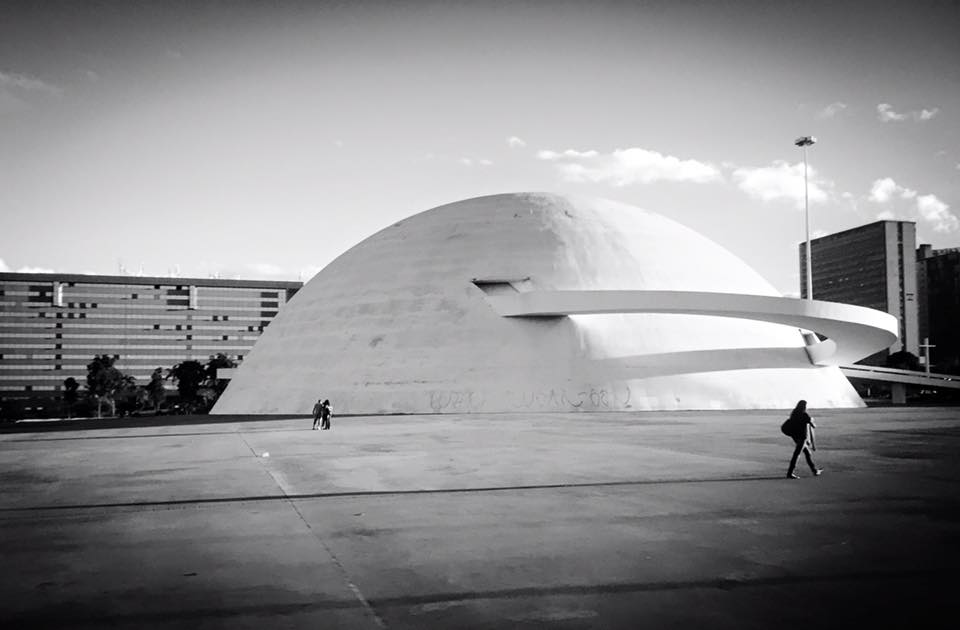
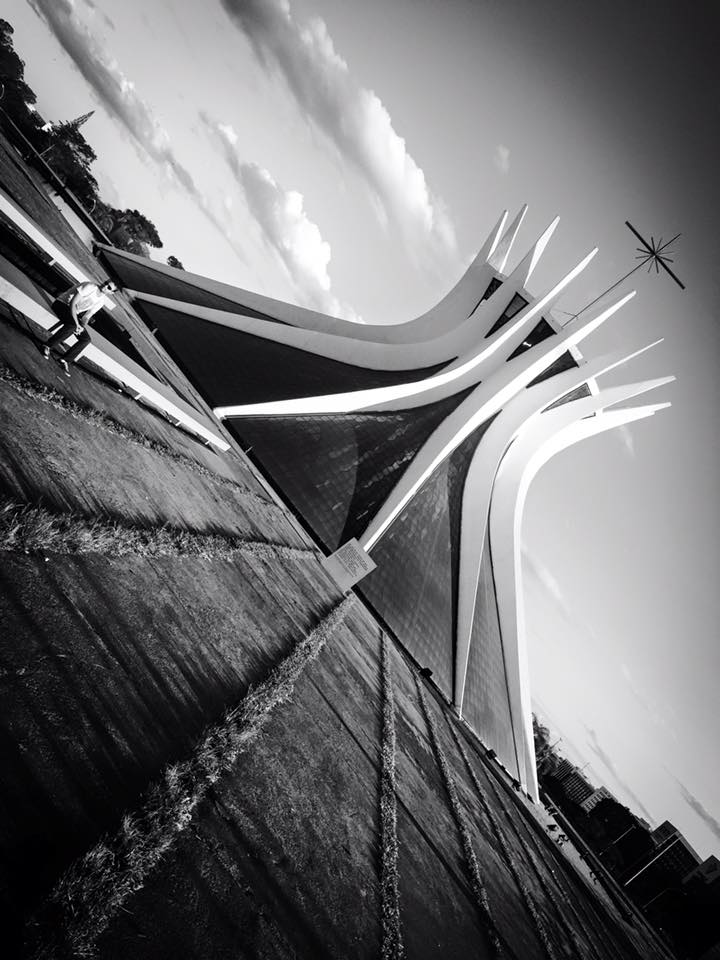
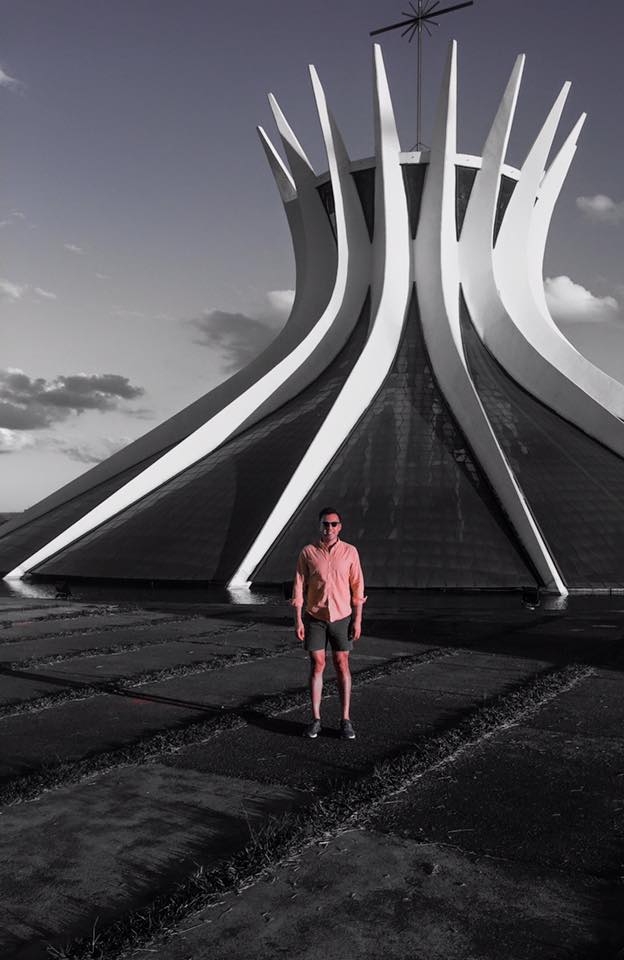
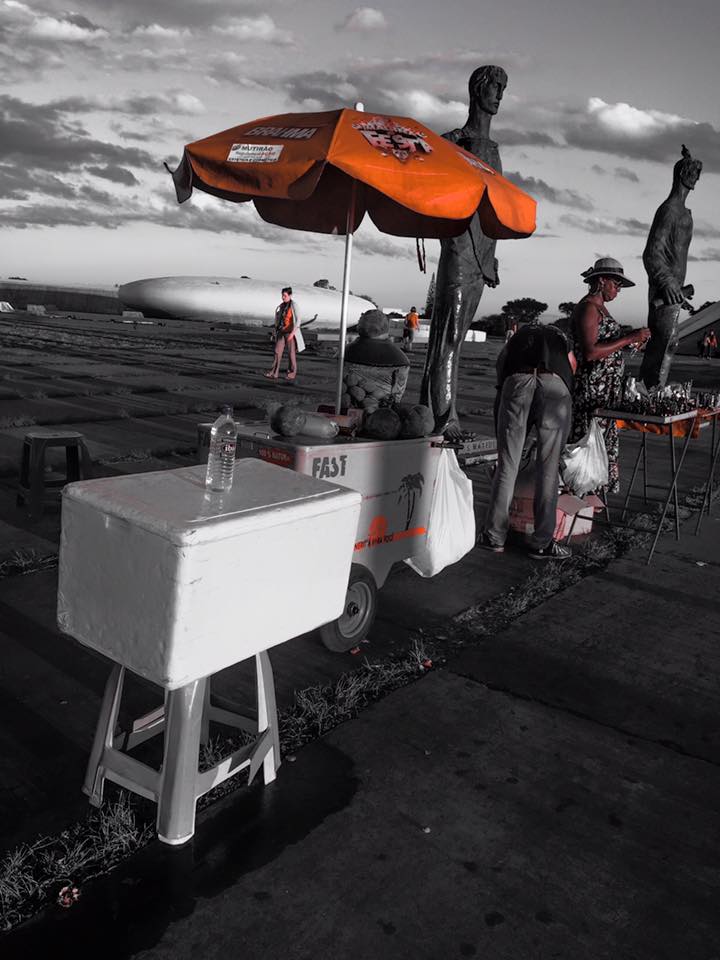
After two days in Brasilia, I’m understanding more and more why my friend was under the impression that there were no sidewalks in the Distrito Federal. Brasilia is…interesting. It is a city built for the latter half of the twentieth century–a city built for the automobile–and a city that continues to inhabit that space and time. There are few genuine public spaces. There are a plethora of indoor malls. And while Oscar Niemeyer’s iconic structures are fascinating, their brutalist nature seemingly engulfs the city’s soul in concrete. Brasilia was the future. Today, perhaps, it is the past.
This website is not an official U.S. Department of State website. The views and information presented are the grantee’s own and do not represent the Teachers for Global Classrooms Program, IREX, or the U.S. Department of State.
 Traveling Fern